Rats live by their noses. They follow scent cues to food, nesting spots, and safe travel routes. That is why strong smells can sometimes make an area feel “wrong” to them. The honest truth, though, is this: smells are a pressure tool, not a magic shield. Results vary, and most scent tactics are short-lived unless you refresh them often and pair them with cleanup and sealing entry points.
Below are the organic smells rats tend to avoid, plus practical ways to use them in a home garden or around the house.
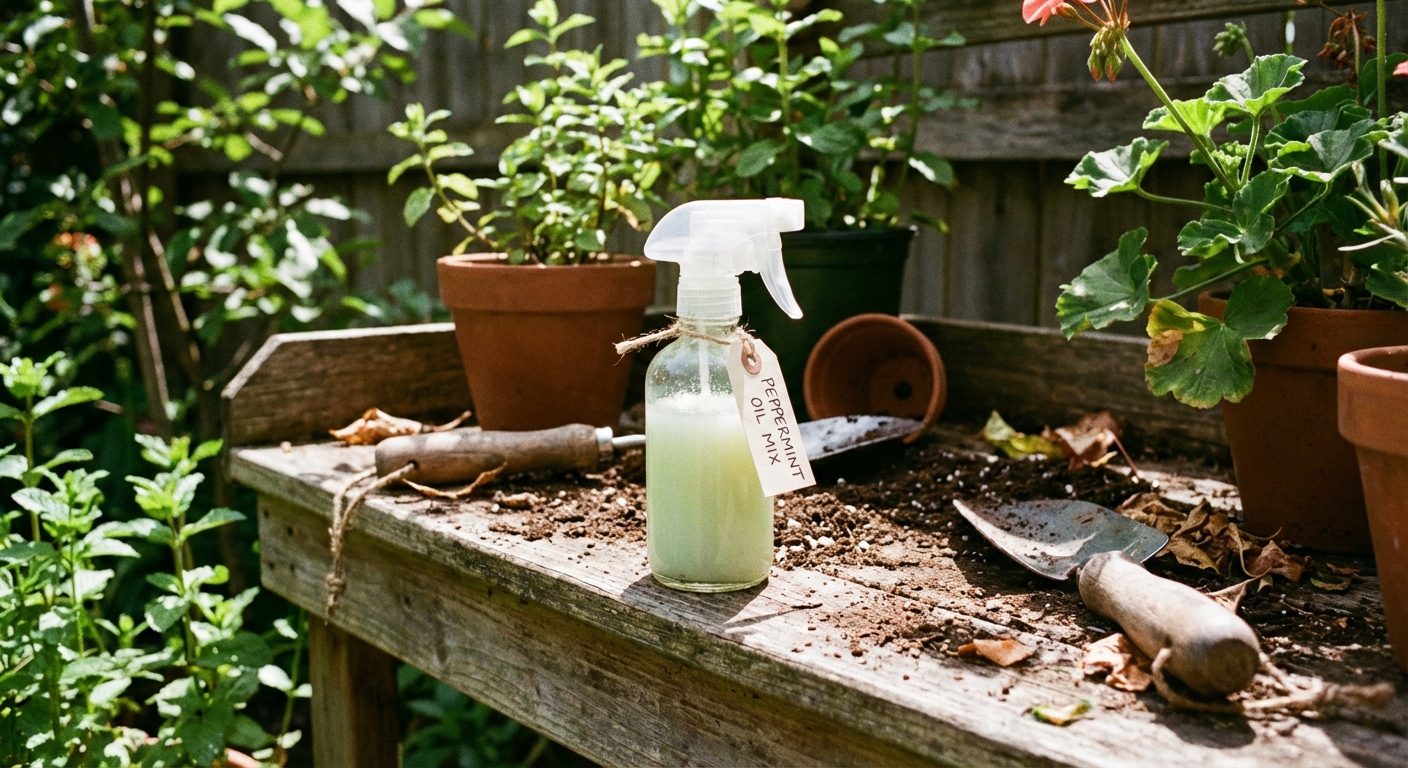
Fast answer: top smells rats may avoid
If you want quick options to try first, start here. These are commonly reported as unpleasant or overwhelming to rodents when used correctly and refreshed often. Think of them as boundary pressure, not a guaranteed “repellent.”
- Peppermint oil
- Eucalyptus oil
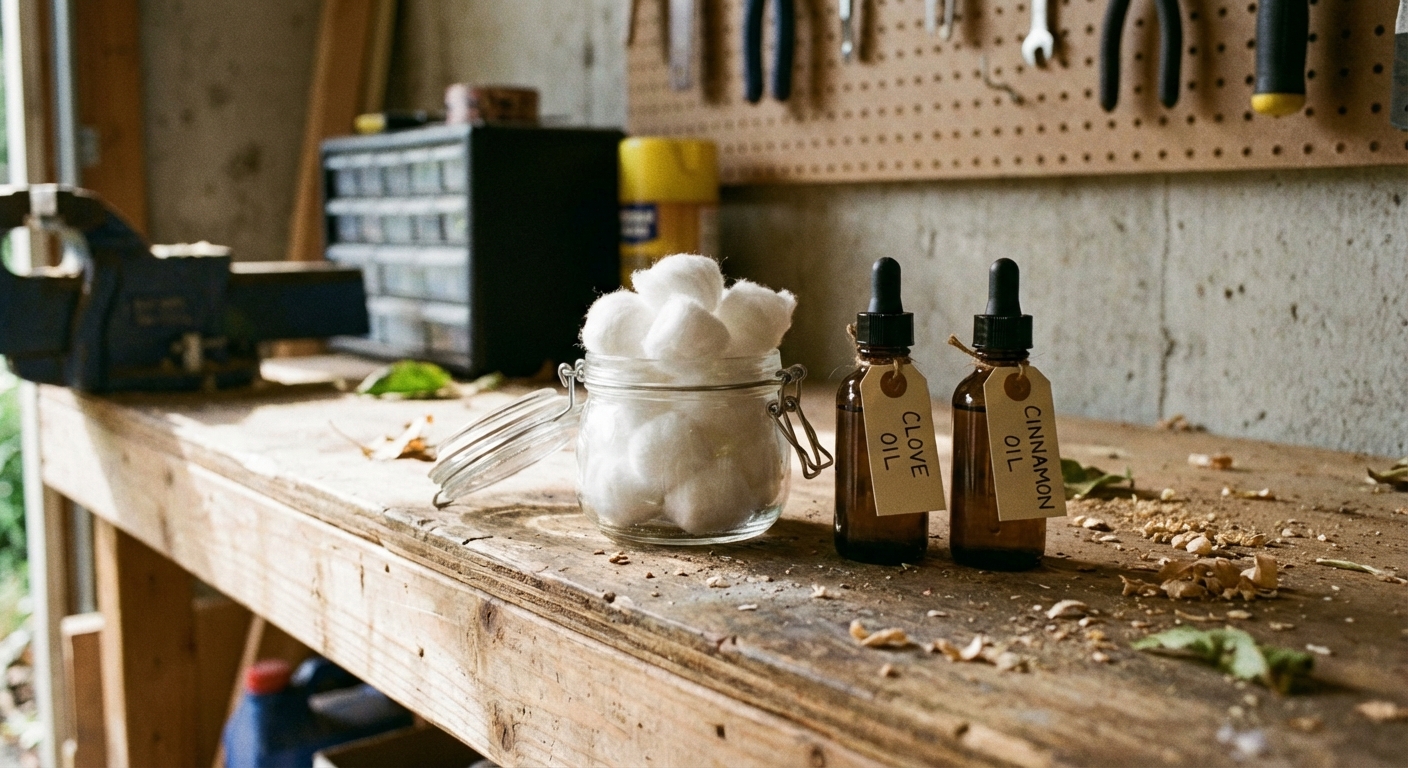
- Clove oil
- Cinnamon oil
- Garlic
- Vinegar (mainly for cleaning and odor reduction)
- Predator scents (used carefully, and mostly outdoors)
Important: rats can tough out a smell if food and shelter are easy. Use scent as your extra layer, not your only layer.
What to expect (reality check)
- Temporary: Most odor deterrents fade fast, especially outdoors, and need frequent reapplication.
- Best for edges: They work best to add pressure along routes and entry areas, not to eliminate a colony.
- More is not better: Overdoing essential oils can irritate people and pets, and may stain surfaces.
If you want the biggest payoff, use scent while you remove attractants and close gaps.
Peppermint oil (best first try)
Peppermint is the classic because it is strong, easy to find, and simple to apply. Just keep expectations realistic. It may help in the short term, and it fades fast outdoors and in warm spots.
How to use it
- Cotton ball method: Put 5 to 10 drops of peppermint oil on cotton balls and place them in rat travel areas. Refresh every 2 to 3 days, or sooner if it is hot or rainy.
- Spray method: Mix 10 to 15 drops peppermint oil with 1 cup water and a small splash of mild dish soap (the soap helps the oil mix). Spray along baseboards, behind bins, around compost areas, and near suspected entry points. Reapply often.
Where it helps most
Under sinks, in garages, sheds, around trash can storage areas, and along fence lines where you see rub marks or droppings.
Safety note: Essential oils can irritate pets and people if overused in enclosed spaces. Some oils (especially clove and eucalyptus) can be especially risky for cats. Use cotton balls in inaccessible, ventilated spots instead of widespread spraying, and avoid spraying where pets can lick surfaces. Keep oils away from kids.
Surface note: Essential oil sprays can haze, stain, or strip some finished surfaces. Test a small hidden area first.
Clove, cinnamon, and eucalyptus (strong spice options)
These oils are sharp and may disrupt rodent scent tracking in a small area. They work similarly to peppermint, but they can be more intense, which can be useful in a pantry closet or a shed corner. Like all scent tactics, they are usually temporary and need refreshes.
Best way to apply
- Use the cotton ball method in enclosed or semi-enclosed spots.
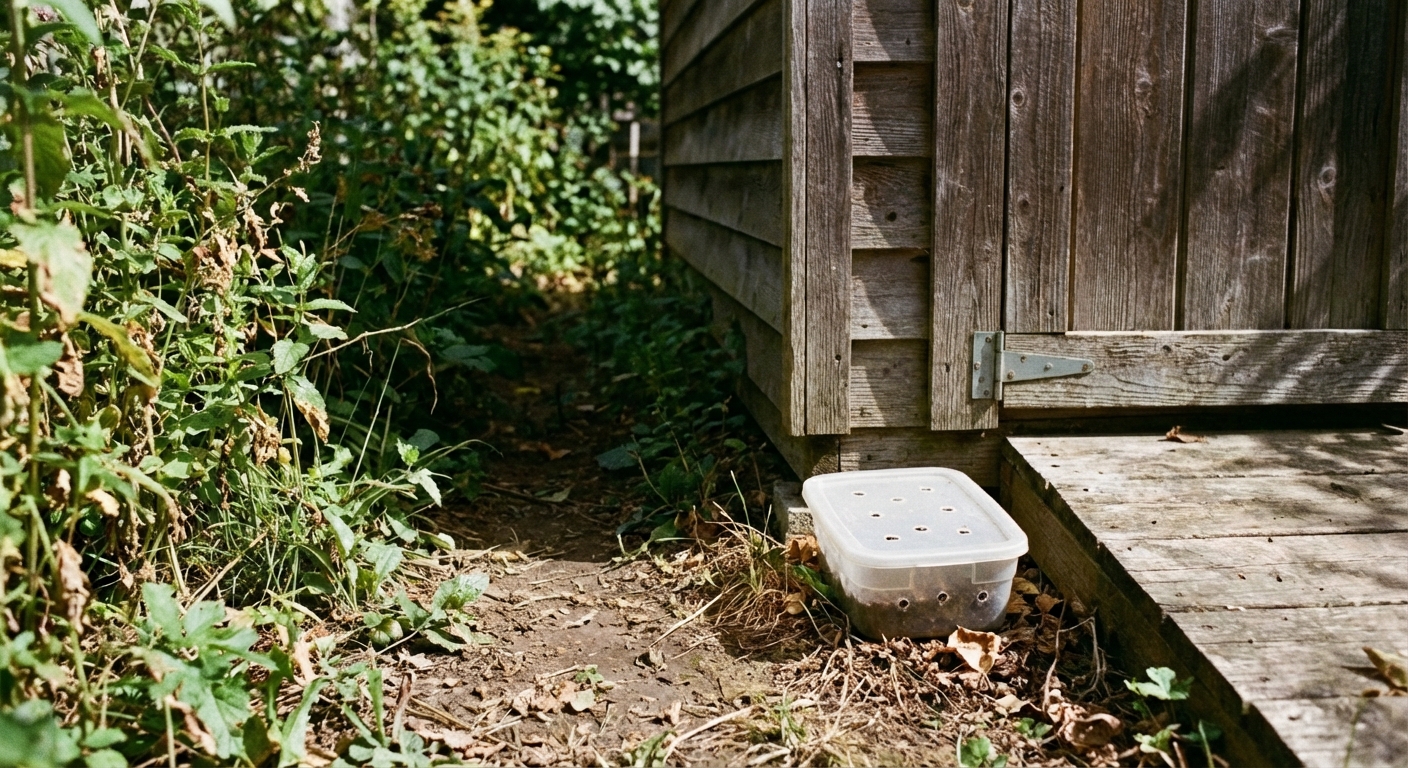
- For outdoor areas, place cotton balls inside a vented container (like a small plastic tub with holes) to reduce wash-off from rain.
- Rotate scents: If you are using oils as a pressure layer, switching between peppermint and a spice oil weekly can help keep the smell “new.”
Do not pour oil directly on soil or garden beds. Concentrated oils can bother beneficial insects and may damage tender plants.
Vinegar (for cleaning and odor reduction)
Vinegar does not reliably “repel” rats. Where it helps is sanitation. It can cut grease and reduce lingering food smells, which matters because rats reuse the same routes and investigate familiar odor hotspots. It is best thought of as a cleanup tool, not a barrier.
How to use it
- Wipe hard surfaces with a 50/50 mix of white vinegar and water.
- Use it to clean trash can lids, recycling bins, compost bucket exteriors, and garage floors where pet food is stored.
Skip vinegar on natural stone surfaces that can etch, and avoid heavy use on unsealed wood.
Garlic and onion (short-term nuisance smells)
Strong sulfur smells like garlic can make a spot less pleasant for rats, especially in closed areas. In the garden, chopped garlic may attract curiosity from pets or wildlife, so keep this one targeted.
Practical use
- Make a garlic water spray for non-food-contact areas: crush a few cloves, steep in hot water, strain, and spray around the outside of a shed or along a known run. Reapply after rain.
- Use garlic-based repellents sold for garden pests, but keep expectations realistic.
This is best as a temporary boost while you address the real attractants.
Predator scents (use with care)
Some people use predator urine products (often marketed for deterrence). Outdoors, they may add pressure in some situations, but results are inconsistent, and it can be messy. In some cases, it may even be counterproductive by drawing curiosity or triggering territorial behavior.
- Use only commercial products meant for this purpose.
- Keep away from vegetable harvest areas, patios, and anywhere kids or pets play.
- Reapply as directed, especially after rain.
Placement tips that matter
Smell deterrents fail most often because they are placed randomly. Put them where rats actually move.
Look for these signs
- Droppings clustered along walls
- Greasy rub marks on baseboards or fence edges
- Burrow holes near slabs, sheds, or dense groundcover
- Chew marks on plastic bins, bagged soil, or compost containers
Place scent barriers here
- Along edges: Rats prefer to travel with a wall or fence at their side.
- At pinch points: Gates, narrow gaps behind planters, the space under steps.
- Near entry points: Around pipes, dryer vents, crawlspace doors, shed thresholds.
Refresh often. Outdoors, plan on every 1 to 3 days depending on sun and rain.
What not to do (common mistakes)
- Do not rely on smell alone. If bird seed, pet food, or compost is available, rats are more likely to stick around.
- Do not use mothballs outdoors. They are pesticides and can be harmful to people, pets, and wildlife. Many places restrict their use.
- Do not mix random chemicals. For example, vinegar and bleach can create dangerous fumes.
- Do not soak the soil in essential oils. It is wasteful and can harm plants and beneficial organisms.
Make smells count: remove the rewards
If you want scent deterrents to stick, remove the “reward.” Here is the basic checklist I use in real backyards.
Food
- Store bird seed, chicken feed, and pet food in metal cans with tight lids.
- Pick up fallen fruit and nuts weekly.
- Rinse recyclables and keep trash lids closed.
Shelter
- Trim dense groundcover and weeds along fences.
- Lift woodpiles at least 12 inches off the ground and store away from structures.
- Keep compost in a rodent-resistant bin and avoid adding greasy kitchen scraps.
Entry points
- Seal holes with hardware cloth or steel wool plus proper sealant.
- Inspect utility penetrations, crawlspace vents, garage door corners, and roofline gaps.
- As a practical rule, close any opening around 1/2 inch or larger, since rats can squeeze through surprisingly small gaps.
If you have an active infestation
If you are seeing rats daily, hearing scratching in walls, or finding fresh droppings consistently, smells are not going to solve it alone.
- Use snap traps in protected boxes if kids or pets are around.
- Call a pro if rats are inside walls, attics, or crawlspaces, or if you cannot find entry points.
- Avoid poison baits in many home garden situations due to secondary poisoning risks to owls, hawks, cats, and other wildlife. If bait is used, follow local regulations and best practices. Tamper-resistant bait stations and professional oversight can reduce risk.
Once numbers are reduced, then the scent routine can help keep pressure on the edges and discourage re-entry.
Simple 10-minute plan for today
- Clean one problem area with 50/50 vinegar water to reduce lingering odors and improve sanitation.
- Remove food by moving feed and pet food into sealed metal containers.
- Place peppermint cotton balls along the most obvious travel edge (wall, fence, or behind bins).
- Refresh in 48 hours and keep notes on where droppings decrease.
That combination is quick, organic, and realistic. It does not depend on perfect conditions, and it builds toward the real goal: fewer reasons for rats to hang around.

Jose Brito
I’m Jose Britto, the writer behind The Country Store Farm Website. I share practical, down-to-earth gardening advice for home growers—whether you’re starting your first raised bed, troubleshooting pests, improving soil, or figuring out what to plant next. My focus is simple: clear tips you can actually use, realistic expectations, and methods that work in real backyards (not just in perfect conditions). If you like straightforward guidance and learning as you go, you’re in the right place.