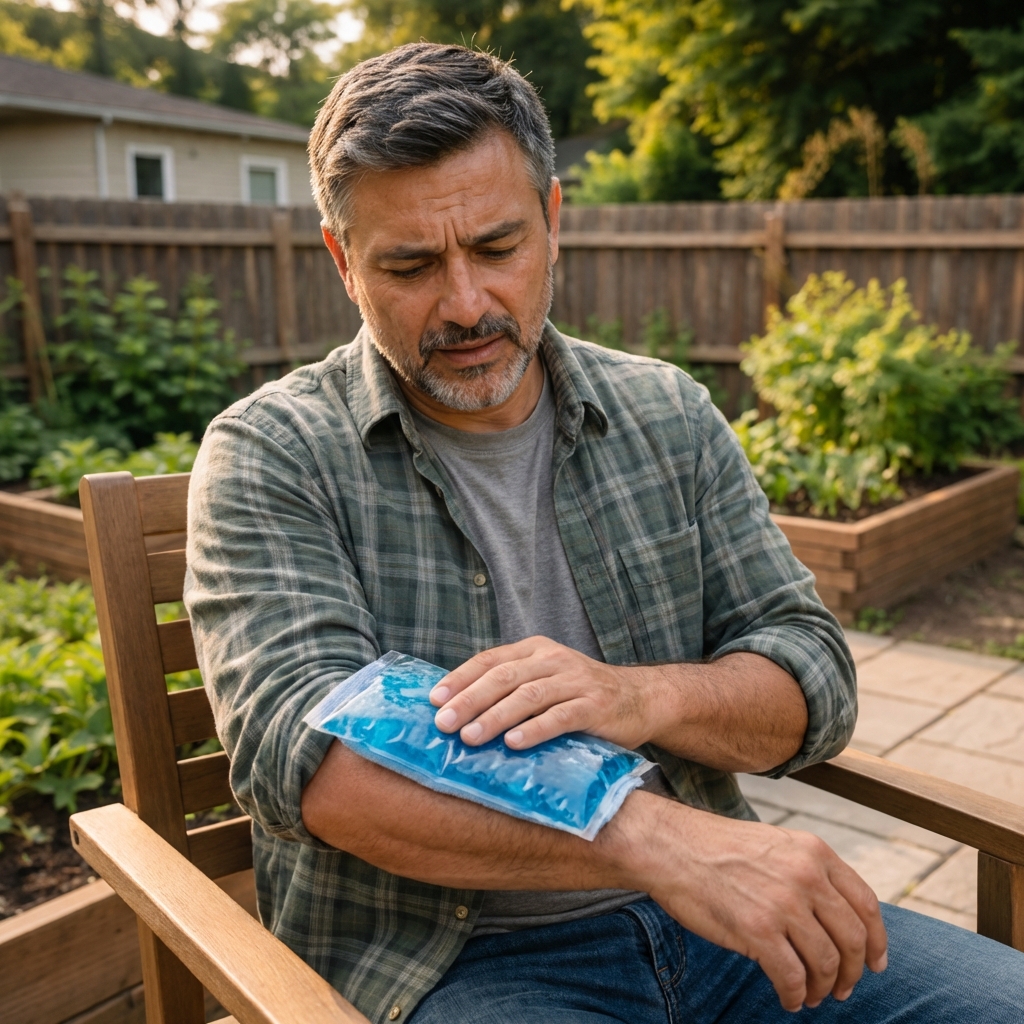
Hornet stings are the kind of surprise that can turn a peaceful garden session into an immediate problem. The good news is most stings can be handled safely at home with basic first aid. The key is to act quickly, watch your symptoms, and know the warning signs that mean you need medical help.
This guide walks you through what to do step by step, what helps with swelling and pain, what to avoid, and how to make your yard less inviting for hornets so you can get back to gardening.
First things first: get to a safe spot
If you were stung, assume the hornet may be defending a nest nearby. Move indoors or well away from where it happened. Do not swat wildly. Quick movements can escalate the situation, especially if more hornets are in the area.
- Stay calm and walk away from the area.
- Keep kids and pets inside until you confirm the area is safe.
- Check for additional stings, especially on the scalp, behind ears, and under clothing.
Do hornets leave a stinger?
Usually, hornets and other wasps do not leave a stinger behind. Honeybees often do. So do not spend too long searching. Still, it is worth a quick look because sometimes what looks like a stinger is actually a small dark puncture or a bit of debris.
If you see a stinger
If there is a visible stinger, remove it quickly. Speed matters more than technique. (This matters most with honeybee stings, where the attached venom sac can keep delivering venom for a short time.)
- Scrape it out with the edge of a credit card, fingernail, or a dull knife.
- If you use tweezers, grab the stinger itself, not the surrounding skin. The main goal is prompt removal.
Hornet sting care: first 10 minutes
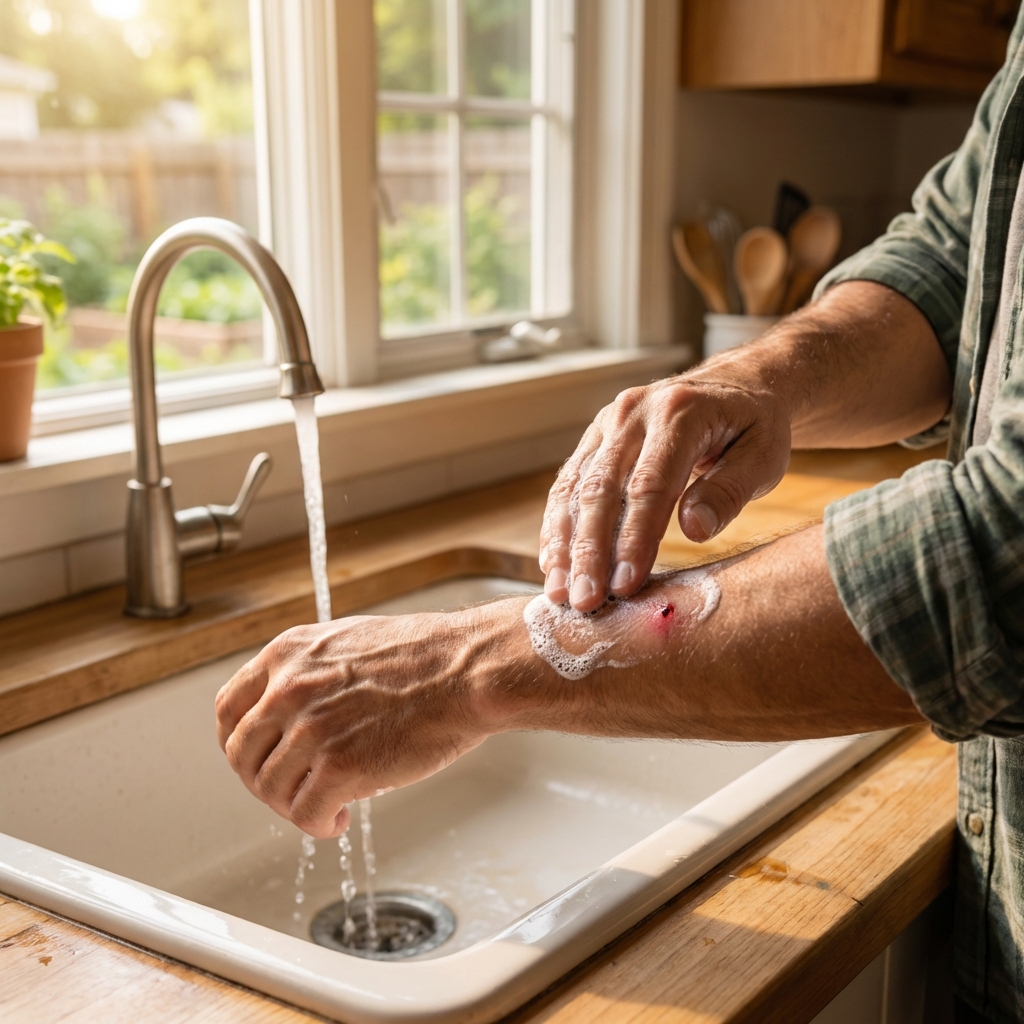
- Wash the area with soap and cool water.
- Remove rings, watches, or tight bracelets if the sting is on a hand or arm. Swelling can make them hard to remove later.
- Apply a cold pack (wrapped in a thin towel) for 10 minutes, then off for 10 minutes. Repeat as needed.
- Elevate the area if possible, especially for hand, arm, foot, or ankle stings.
Cold and elevation are simple, but they are two of the most reliable ways to slow swelling in the first hour. After that, keep up the cold compress cycles as needed.
What helps with pain, itching, and swelling
Most hornet stings cause immediate pain and burning, followed by redness, warmth, and swelling. Itching often shows up later. Many people start feeling noticeably better within a few hours, but swelling can continue to build and sometimes peaks around 24 to 48 hours.
Over-the-counter options
- Oral antihistamine (like cetirizine, loratadine, or diphenhydramine) can help itching and hives. Diphenhydramine can cause drowsiness.
- Hydrocortisone 1% cream for itch and inflammation. Use as directed on the label.
- Pain relief like ibuprofen or acetaminophen if you can take them safely.
- Calamine lotion can help with itch for some people.
Simple home care that is actually useful
- Cold compresses as needed during the day.
- Keep it clean to help prevent a secondary skin infection, especially if you scratch.
- Try not to scratch. If you do, trim nails and consider covering the sting lightly with a clean bandage.
What to avoid
- Do not cut the sting site or try to “bleed out” venom.
- Skip harsh chemicals (bleach, ammonia, gasoline, etc.). They can irritate skin and make things worse.
- Be cautious with heat. For typical hornet stings, cold compresses are usually the better first choice for swelling. Avoid heat if it increases discomfort, redness, or swelling.
Normal reactions vs. allergic reactions
It is common for a hornet sting to swell and stay tender for a day or two. Some people get a larger local reaction that spreads several inches. The important thing is recognizing when it is more than a local reaction.
Typical, expected symptoms
- Sharp pain or burning at the sting site
- Redness and a warm, raised welt
- Swelling near the sting, sometimes expanding over several hours
- Itching as it starts to heal
Large local reaction (can look scary, usually not dangerous)
A large local reaction can cause swelling that extends beyond the sting area, like a whole hand swelling from a finger sting. It often peaks around 24 to 48 hours and can last up to a week.
Even if it is not an emergency, call your clinician for advice if swelling is worsening rapidly, very painful, or limiting movement.
Signs of anaphylaxis (call emergency services now)
Get emergency help immediately if any of these happen, even if the sting seems minor:
- Difficulty breathing, wheezing, or chest tightness
- Swelling of lips, tongue, throat, or face
- Widespread hives or itching far from the sting
- Dizziness, fainting, confusion, or a sense of doom
- Nausea, vomiting, or diarrhea paired with other symptoms
If you have an epinephrine auto-injector, use it right away and then seek emergency care. Do not “wait and see.”
Extra caution: face, neck, mouth
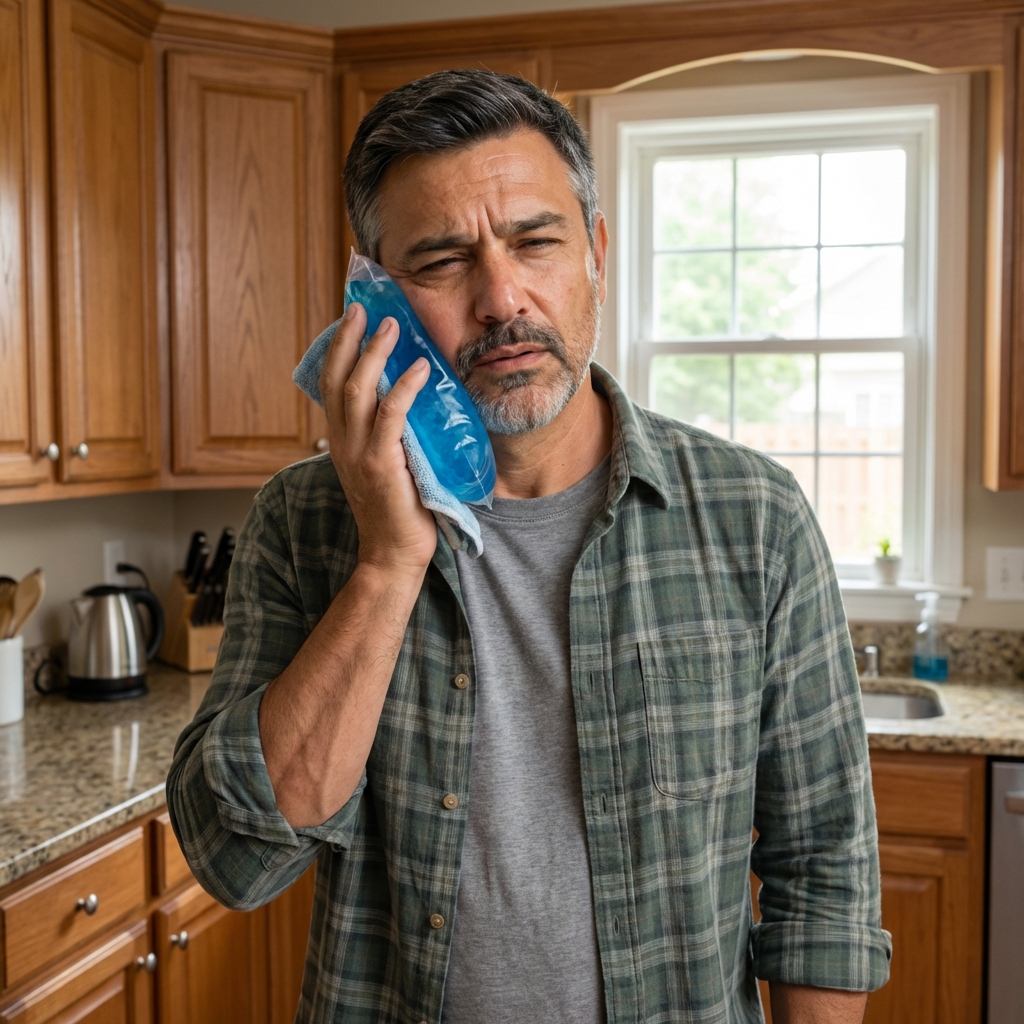
Stings near the airway can be riskier because swelling can interfere with breathing even without a full-body allergic reaction.
- Face or neck sting: monitor closely for increasing swelling, hoarseness, trouble swallowing, or breathing changes.
- Mouth or throat sting (often from drinking from a can outdoors): treat as urgent. Call emergency services or go to the ER.
When to call a doctor
Some situations deserve medical advice even when you are breathing fine.
- Multiple stings, especially in children, older adults, or smaller-bodied people
- Sting near the eye or eyelid
- Increasing redness, warmth, and pain after 48 hours, or pus, fever, or red streaking (possible infection)
- Swelling that keeps expanding or limits movement significantly
- Symptoms that are not improving after a few days, or are worsening instead of slowly settling down
- History of severe reactions to stings, even if this one seems mild at first
If you have higher risk factors like a known sting allergy, asthma, a mast cell disorder, or you take beta-blockers, follow your clinician’s plan and seek advice promptly after a sting.
Garden-friendly prevention
In real backyards, hornet encounters usually happen during trimming, harvesting, moving pots, or reaching into a hedge. Prevention is mostly about spotting activity early and reducing surprise.
Clues a nest is nearby
- Hornets flying the same path repeatedly, especially along a fence line or hedge
- Buzzing around a hollow tree, shed eave, compost area, or dense shrub
- Increased activity around fallen fruit, open soda cans, or uncovered trash
Simple habits that lower your risk
- Wear gloves and closed-toe shoes when clearing brush or harvesting in dense beds.
- Go slow when pruning hedges and shrubs. Gentle movement gives you a chance to notice activity.
- Skip strong fragrances (perfume, scented hair products) when you are working outside.
- Cover sweet smells: keep trash lidded, clean up fallen fruit, rinse recycling, and cover drinks.
- Garden at cooler times if possible. Many stinging insects are less active early morning and near dusk.
If you find a nest
Give it space first. Many stings happen because we get too close without realizing it.
- Mark the spot from a distance so nobody walks into the flight path.
- Keep pets and kids away.
- Consider a professional for removal, especially if the nest is in a wall void, attic, or high traffic area.
If you choose to handle it yourself, be realistic. DIY control can go wrong fast, and getting stung multiple times is a much bigger deal than a single sting.
Quick checklist for your garden kit
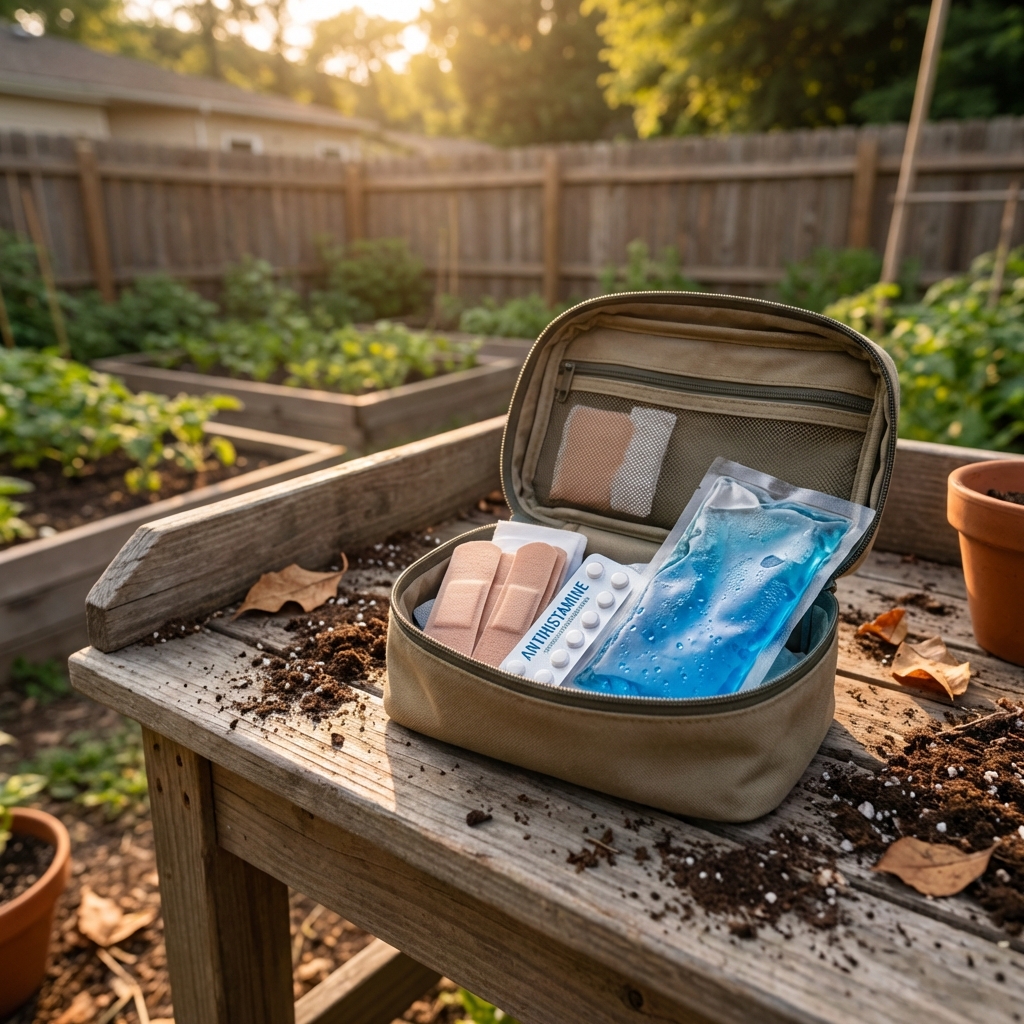
If you garden regularly, it helps to keep a few basics within reach. Here is a practical mini-kit:
- Soap or cleansing wipes
- Instant cold pack or a spot in the freezer for a gel pack
- Hydrocortisone 1% cream
- Oral antihistamine
- Small bandages
- Phone nearby in case symptoms escalate
Bottom line
For most gardeners, a hornet sting is painful but manageable: get away from the area, wash it, cool it, and treat symptoms with basic over-the-counter options. What matters most is watching for red flags like breathing trouble, facial or throat swelling, or widespread hives. When in doubt, get medical help.
And once you are feeling better, take a quick walk around the spot where it happened. A little prevention now can save you from a repeat sting later.

Jose Brito
I’m Jose Britto, the writer behind The Country Store Farm Website. I share practical, down-to-earth gardening advice for home growers—whether you’re starting your first raised bed, troubleshooting pests, improving soil, or figuring out what to plant next. My focus is simple: clear tips you can actually use, realistic expectations, and methods that work in real backyards (not just in perfect conditions). If you like straightforward guidance and learning as you go, you’re in the right place.