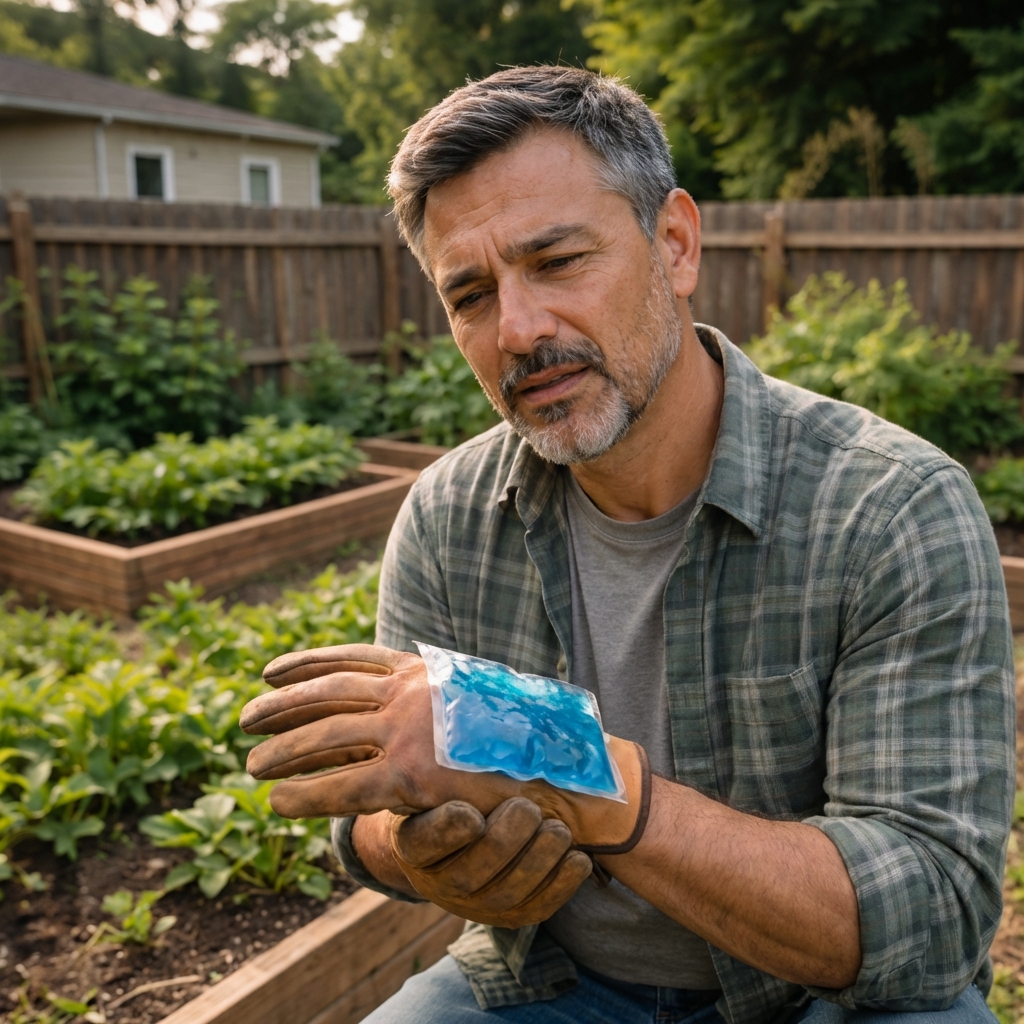
Wasps and gardeners cross paths all the time. You reach for a tomato, lift a pot, or bump a hedge and suddenly you are dealing with that sharp, burning sting. Most stings are painful but manageable at home. The key is doing the right steps early, and knowing the few situations where you should not wait it out.
First, get to a safe spot
If a wasp stings you, move away quickly and calmly. Swatting and flailing can trigger more stings, especially if you are near a nest. Get indoors or into a car if you can.
- Move away from the area where it happened, especially if you see more wasps or suspect a nest nearby.
- Check for additional stings, especially on the scalp, neck, and behind ears.
- Remove tight items like rings, watches, or bracelets near the sting site before swelling starts.
Wasp sting vs bee sting: does the stinger matter?
Most wasps do not leave a stinger behind, while honeybees usually do. That said, in the moment it is worth taking two seconds to look.
- If you see a stinger lodged in the skin, scrape it out with a fingernail, the edge of a credit card, or a dull knife. Try not to squeeze it.
- If there is no stinger, treat it like a typical wasp sting and move on to cleaning and cooling.
What to do right away (the 10 minute plan)
1) Wash the area
Use soap and water. This helps remove dirt and irritants, and it can lower infection risk if the skin gets broken later from scratching or gardening grime.
2) Cool it down
Cold is a great early tool for pain and swelling.
- Apply a cold pack or a bag of frozen peas wrapped in a towel for 10 minutes on, 10 minutes off.
- Repeat as needed during the first hour.
3) Elevate if it is on an arm or leg
Keeping the sting site raised helps limit swelling, especially for hands, ankles, and feet.
4) Consider an over-the-counter option
Pick what matches your symptoms and what you can safely take.
- Pain: acetaminophen or ibuprofen, following label directions.
- Itch and hives: a non-drowsy antihistamine like cetirizine or loratadine may help. Diphenhydramine can work but can cause drowsiness.
- Skin relief: 1% hydrocortisone cream or calamine lotion for itch.
Note: If you have medical conditions, take blood thinners, are pregnant, or are treating a child, follow your clinician’s guidance and product labels.
5) Do not scratch
Scratching makes swelling and irritation worse and raises the chance of a skin infection. If you cannot help it, wash your hands and keep nails clean and short.
What is normal after a wasp sting?
A typical reaction looks scary but improves steadily over a day or two.
- Pain and burning for minutes to a few hours
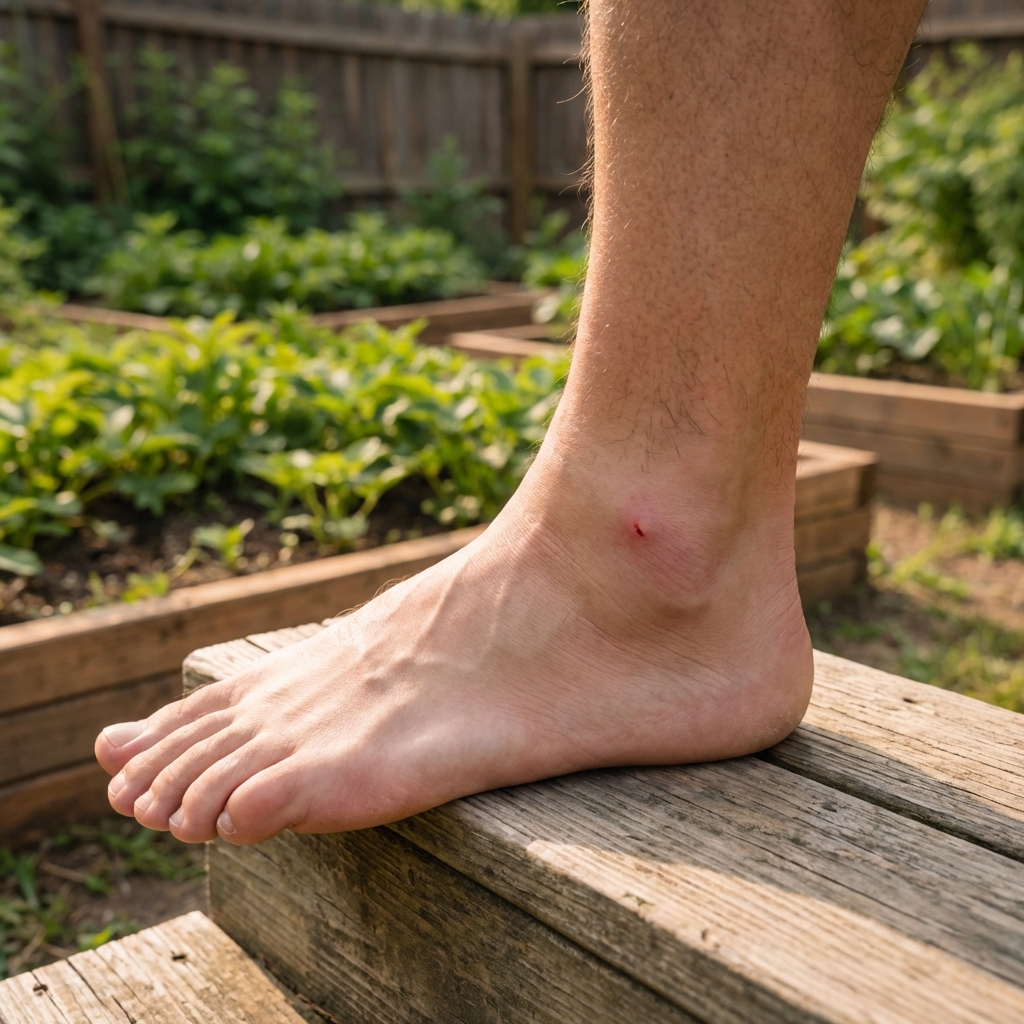
- Redness around the sting
- Swelling that may increase for the first 24 to 48 hours
- Itching as it starts to calm down
Some people get a large local reaction, meaning swelling spreads wider (for example, most of the hand or forearm). These reactions are not the same as anaphylaxis and are usually not dangerous, but they can be allergy-related and can last several days. Keep using cold packs, elevation, and an antihistamine if you tolerate it.
When a wasp sting is an emergency
Allergic reactions can escalate quickly. Do not try to tough it out.
Call emergency services right away if you notice:
- Trouble breathing, wheezing, or chest tightness
- Swelling of the lips, tongue, throat, or face
- Widespread hives or rash away from the sting site
- Dizziness, fainting, confusion, or a sense of doom
- Vomiting or severe abdominal cramps (especially with other symptoms)
If the person has an epinephrine auto-injector (EpiPen or similar), use it as directed and call for emergency help. Even if symptoms improve after epinephrine, they still need urgent medical evaluation.
Timing tip: Severe allergic symptoms often show up within minutes, but they can appear up to a couple of hours after a sting. If you are unsure, err on the side of getting help.
Extra caution situations
- Sting inside the mouth or throat: swelling can affect breathing even without a full allergic reaction.
- Multiple stings: especially in children, smaller adults, or older adults.
- Stings near the eye: avoid rubbing and get medical advice if swelling is significant.
- History of severe allergy: treat promptly and follow your action plan.
Common home remedies: what helps and what to skip
Usually helpful
- Cold packs: best first-line tool.
- Baking soda paste: mix a little baking soda with water and apply for 10 to 15 minutes. Evidence is mixed, but it may help with discomfort for some people.
- Oatmeal soak: good for widespread itch if you have multiple itchy spots.
Skip these
- Vinegar or urine: unreliable and can irritate skin.
- Cutting the skin or trying to “suck out” venom: increases infection risk and does not help.
- Heat as first aid: cold is the standard first step for most wasp stings. If you try heat later and it makes pain or swelling worse, stop.
How to prevent wasp stings while gardening
Most stings happen because we accidentally get too close to a nest or trap a wasp against skin or clothing.
Garden habits that reduce risk
- Scan before you reach: look under leaves, inside dense shrubs, and around fruit clusters.
- Be careful with hidden spots: eaves, fence lines, wood piles, compost bins, shed corners, and stacked pots are prime nest locations.
- Wear gloves and closed shoes when clearing weeds or lifting boards and stones.
- Skip strong fragrances (perfume, scented lotions) that can attract insects.
- Keep drinks covered outdoors. Wasps can crawl into cans and you do not want a sting in the mouth.
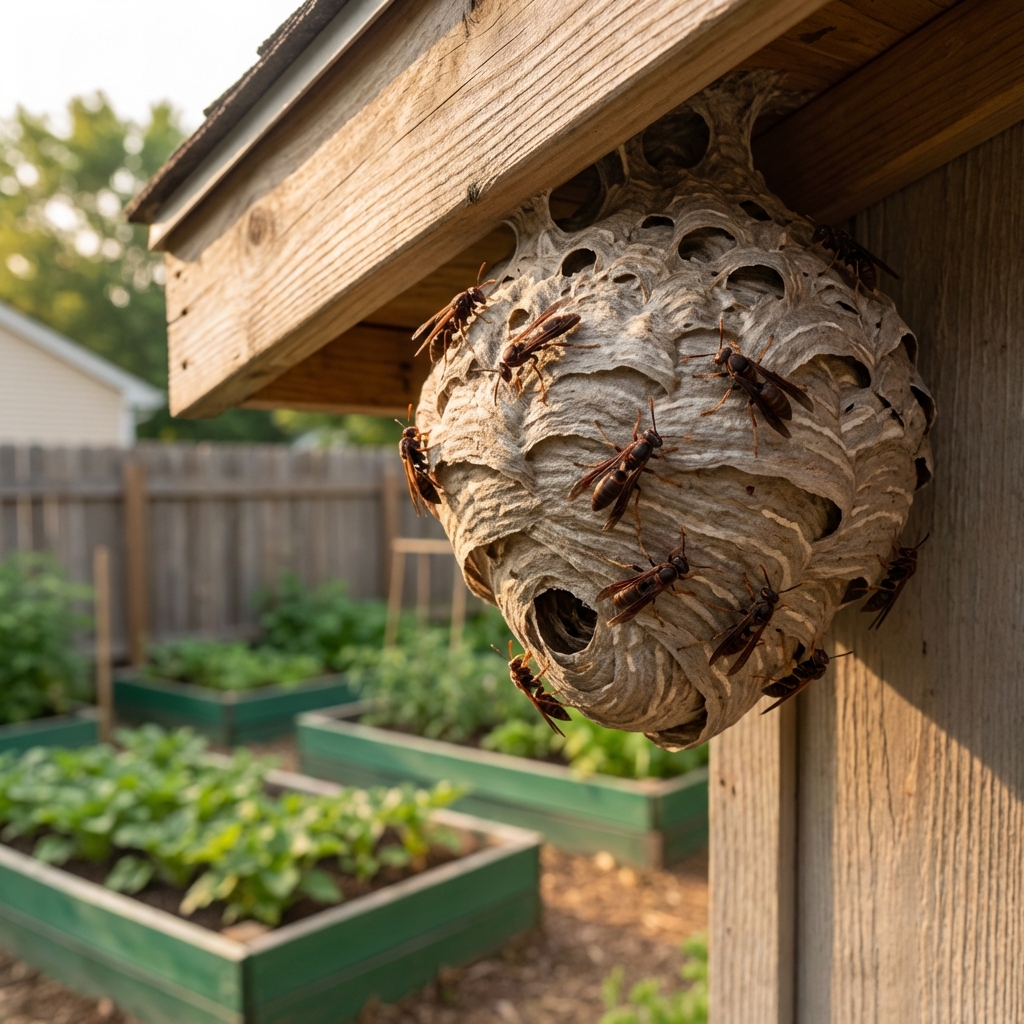
If you find a nest
- Do not poke it. Mark the area and keep kids and pets away.
- Decide on tolerance vs removal: if it is far from foot traffic, you may be able to leave it alone until the season ends.
- If removal is needed: consider a local pest professional. DIY sprays can work, but they also carry real sting risk.
Quick checklist you can save
- Get away from the area and stay calm
- Remove rings or tight jewelry near the sting
- Wash with soap and water
- Cold pack 10 minutes on, 10 minutes off
- Elevate the limb if possible
- Use OTC pain relief and itch relief if appropriate
- Do not scratch
- Watch for emergency symptoms and act fast
When to call a doctor
Seek medical advice if any of these apply:
- Swelling keeps getting worse after 48 hours
- Increasing redness, warmth, pus, or fever (possible infection)
- Severe pain that does not improve
- You are unsure whether you are developing an allergic reaction
Gardening is already hard enough on hands and ankles. If a sting is interfering with movement or you cannot get swelling under control, it is worth getting checked.
Bottom line
For most gardeners, a wasp sting is a short, sharp interruption and not a crisis. Clean the area, cool it early, treat the itch and swelling, and keep an eye out for true allergy symptoms. And once you are feeling better, take 30 seconds to look around the spot where it happened. There is usually a reason the wasp was there, and finding it now can prevent the next sting later.

Jose Brito
I’m Jose Britto, the writer behind The Country Store Farm Website. I share practical, down-to-earth gardening advice for home growers—whether you’re starting your first raised bed, troubleshooting pests, improving soil, or figuring out what to plant next. My focus is simple: clear tips you can actually use, realistic expectations, and methods that work in real backyards (not just in perfect conditions). If you like straightforward guidance and learning as you go, you’re in the right place.