Squirrels are fun to watch. They are also bold, stubborn, and perfectly willing to dig up bulbs, raid bird feeders, and sample your tomatoes if the opportunity is there. If you are thinking about feeding them, the goal is simple: offer foods that are safe for squirrels and set things up in a way that does not create bigger problems in your yard.
This guide covers what squirrels can eat, what to skip, and how to feed them responsibly with realistic expectations.
Note: This advice is for common backyard tree squirrels (like gray, fox, and red squirrels). Ground squirrels, chipmunks, and other wildlife can have different habits, and they will show up if food is easy to find.
Also: Check local rules before you start. Some cities, HOAs, and especially bear-prone areas restrict feeding wildlife.
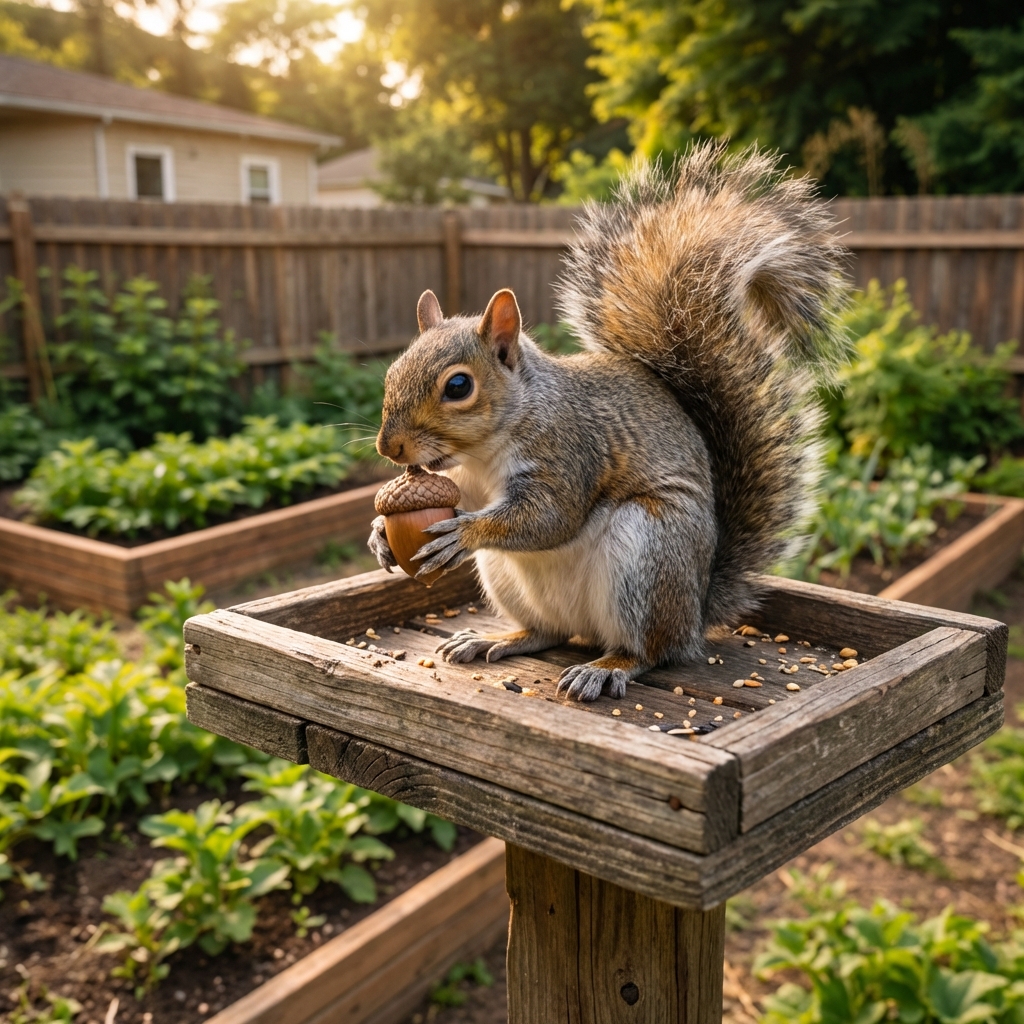
Should you feed squirrels at all?
You do not have to feed squirrels. In many areas, they do just fine on natural foods like acorns, seeds, buds, and whatever your neighborhood plants provide. Feeding can be enjoyable, but it can also:
- Train squirrels to hang around your house, which can increase garden damage and bird-feeder raids.
- Attract other animals like rats, raccoons, skunks, or even bears in some regions.
- Create neighbor problems if squirrels become too comfortable and start chewing or nesting in buildings.
If you want to feed them anyway, keep it small, keep it clean, and keep it consistent with what they would naturally eat.
Best foods to feed squirrels
Think of squirrel food as “wild-style snacks,” not a daily buffet. The safest options are plain, unsalted, and as close to natural as possible.
Nuts (top choice)
Nuts are the classic, and for good reason. They are calorie-dense and closer to what many squirrels already eat.
- Acorns (if you have them) are a natural option. Offer only clean, dry acorns you collected from a pesticide-free area, and skip any that are moldy, soft, or insect-damaged. Some types are more bitter due to tannins, and squirrels will sort that out on their own.
- Hazelnuts, walnuts, and pecans are great choices.
- Almonds are fine in small amounts if they are plain and unsalted.
Tip: Offer nuts in the shell when possible. It slows them down and gives them something to work for.
Seeds and grains
- Black oil sunflower seeds (the same ones many people use for birds)
- Pumpkin seeds (pepitas), plain and unsalted
- Cracked corn in small amounts
- Oats (plain, not flavored packets)
Seeds are easy, but they can also create a mess quickly if you overdo it. Use modest portions and clean up leftovers.
Fresh produce (small amounts)
Squirrels will nibble fruits and vegetables. Keep portions small and remove anything they ignore after a day.
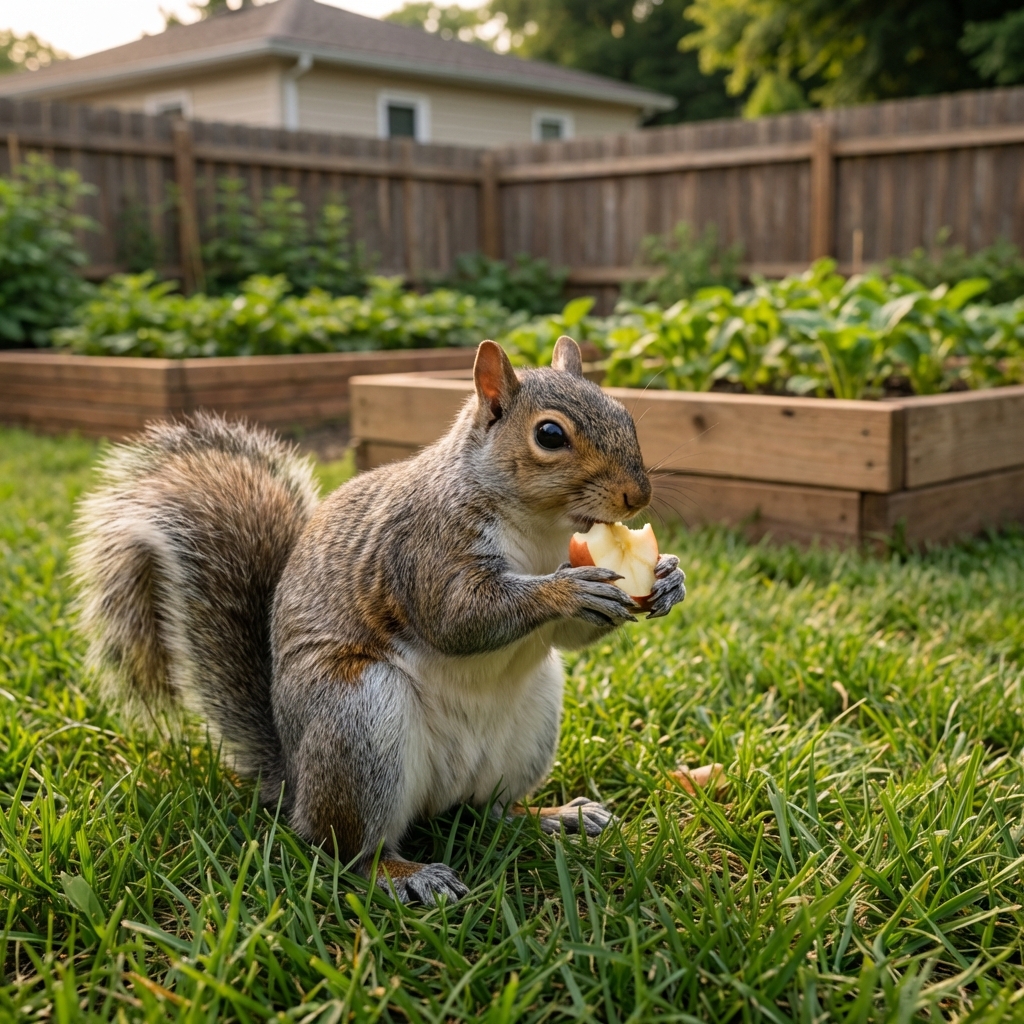
- Apple slices (no seeds, best avoided even though a couple are unlikely to cause immediate harm)
- Carrot pieces
- Leafy greens like kale or romaine
- Squash chunks
- Berries (a few, not a bowl)
Water matters too
If your main reason for feeding squirrels is “they look thirsty,” consider offering fresh water instead of more food. A shallow dish or a birdbath with a stone for traction can help wildlife during hot, dry stretches.
What not to feed squirrels
Some foods are unhealthy, some cause digestive trouble, and some create the exact backyard chaos you are trying to avoid.
- Salted or flavored nuts (salt and seasonings are not a good fit for wildlife)
- Bread, crackers, chips, and junk food (empty calories, bad habit-forming)
- Chocolate or candy
- Anything moldy (mold is a real risk with peanuts and corn left out too long)
- Fruit pits and apple seeds (best avoided because they contain cyanogenic compounds)
- Raw kidney beans (contain lectins that can be toxic)
About peanuts: Plain peanuts are not “poison,” but they can mold easily and are a common aflatoxin risk when stored or left out poorly. Nutritionally, they are mostly fat and protein and are not as varied as a mix of tree nuts. If you use peanuts, keep them fresh, dry, and limited. Do not leave piles sitting out in damp weather.
How to feed squirrels without wrecking your yard
Pick a feeding spot on purpose
Place food away from your house, away from your vegetable garden, and away from your main bird feeders. You are trying to create a predictable location so squirrels are not roaming your beds looking for snacks.
Use a simple feeder or tray
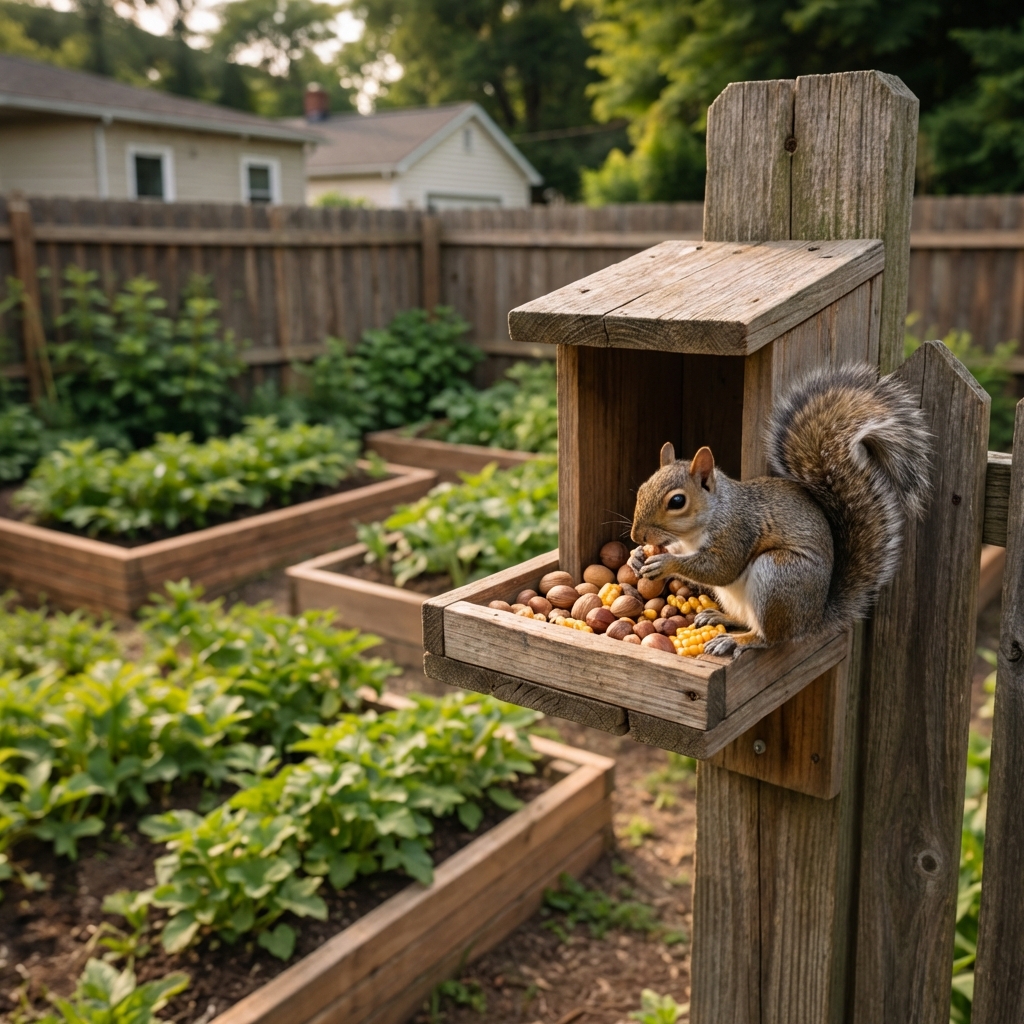
Scattering food on the ground is the fastest way to attract rats and other unwanted visitors. A basic platform feeder or squirrel feeding box works better and stays cleaner.
- Mount it on a post with a baffle if you want to keep it from becoming a raccoon buffet.
- Choose a spot where you can see it and clean it easily.
Keep portions modest
A little goes a long way. Start with something like:
- 2 to 4 in-shell nuts or
- 1 to 2 tablespoons of sunflower seeds
If it disappears instantly, that does not mean you should add more. It just means squirrels are squirrels.
Clean up regularly
Every few days, remove shells and any old food. If it is wet, soggy, or looks questionable, toss it. Hygiene matters when animals are sharing feeding spots.
Basic safety tips
- Do not hand-feed. Squirrels can bite, and close contact is how wildlife problems start.
- Wash hands after handling feeders or leftover food.
- Keep pets away from feeding stations.
- Stop feeding if you see a sick animal (lethargy, visible sores, crusty eyes) and clean the station before you resume.
Seasonal feeding tips
Spring
This is when squirrels are extra busy and sometimes extra destructive in gardens. If you feed them, stick to small amounts. Do not set up a new “all you can eat” station right when you are planting.
Summer
Heat is the bigger issue. Offer water. If you offer produce, remove leftovers quickly to avoid flies and spoilage.
Fall
Fall is caching season. In-shell nuts are great because they encourage natural behavior and slow down feeding.
Winter
Natural food can be harder to find. A small, consistent offering of in-shell nuts can help, but avoid leaving food out for long periods where it can get wet and moldy.
If squirrels are stealing from bird feeders
Feeding squirrels does not always keep them away from birdseed. Sometimes it does the opposite by increasing squirrel traffic in your yard.
If your goal is to protect bird feeders, try a combination of these:
- Use a baffle on feeder poles.
- Move feeders 8 to 10 feet or more from jumping-off points like fences and branches (more distance is better when you have it).
- Hang feeders high (often 5 feet or higher) and use a properly sized baffle below.
- Try safflower seed in one feeder. Many squirrels do not love it compared to sunflower.
- Offer in-shell nuts at a separate station farther away, if you want a decoy approach.
Garden-friendly options if you want less digging
If your real problem is bulbs and freshly disturbed soil, feeding is not always the fix. These options are often more effective:
- Cover freshly planted areas with hardware cloth or a light layer of chicken wire until plants establish.
- Top-dress beds with pine cones, prickly mulch, or a light gravel layer in problem spots.
- Use physical barriers for containers and raised beds if squirrels are persistent.
In other words, protect the target. Squirrels are opportunists. Make the easy option somewhere else.
Quick FAQ
Can squirrels eat corn?
Yes, in small amounts. Corn is filling but not as balanced as nuts. Avoid leaving it out damp, since mold is a concern.
Can squirrels eat peanut butter?
It is not a great choice. It is messy, can go rancid, and can attract other pests quickly. If you use it at all, keep it minimal and only in cold weather, and never smeared where multiple animals will get into it.
Can squirrels eat almonds?
Yes, plain and unsalted, offered in moderation.
What is the safest regular option?
If you insist on regular feeding, use a small handful of in-shell nuts a few times a week, plus a clean water source. That is the simplest “do no harm” approach.
Bottom line
Feed squirrels like you are feeding a wild animal, because you are. Stick to plain nuts and seeds, keep portions modest, avoid salty and processed foods, and set up a clean feeding spot away from your house and garden beds. If you do that, you can enjoy the show without creating a bigger pest problem for yourself later.

Jose Brito
I’m Jose Britto, the writer behind The Country Store Farm Website. I share practical, down-to-earth gardening advice for home growers—whether you’re starting your first raised bed, troubleshooting pests, improving soil, or figuring out what to plant next. My focus is simple: clear tips you can actually use, realistic expectations, and methods that work in real backyards (not just in perfect conditions). If you like straightforward guidance and learning as you go, you’re in the right place.