Squirrels are funny, persistent, and in many neighborhoods they are basically part of the outdoor scenery. If you enjoy watching them, it is normal to wonder what you can feed squirrels in the garden. The trick is doing it in a way that helps them without turning your raised beds into a dig site or your bird feeder into a squirrel drive-through.
Below is my down-to-earth take: what is safe, what is risky, and how to offer food responsibly so you are not accidentally training a tiny army to show up at your patio door every morning.
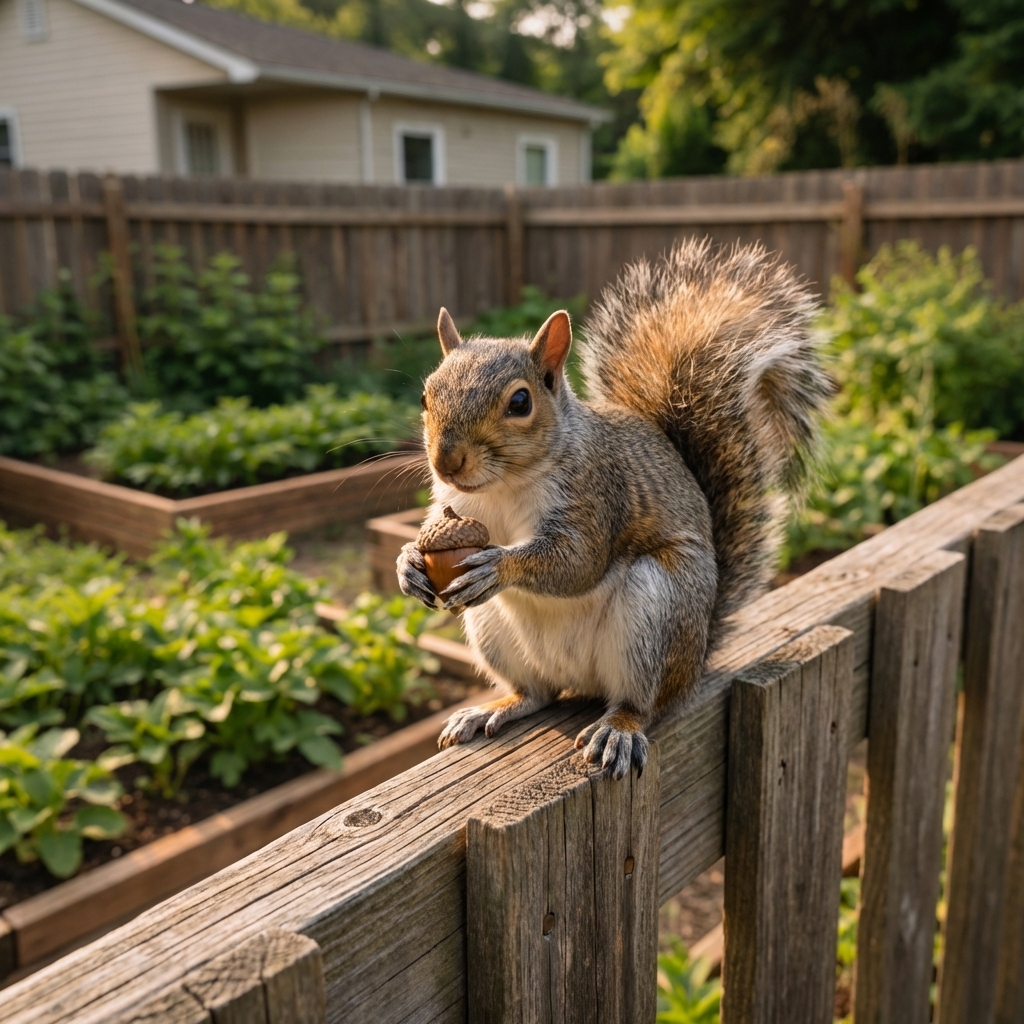
First, should you feed squirrels?
It depends on your goals and your tolerance for mischief. Feeding squirrels is not required for their survival in most areas, and regular feeding can make them bolder around people and more likely to rummage where you do not want them.
If you do decide to feed them, keep it occasional, keep portions small, and do not place food close to your vegetable beds, containers, attic access points, or bird feeding stations.
When feeding can backfire
- More digging: squirrels bury extras, and your pots look like prime real estate.
- More visitors: consistent feeding can attract multiple squirrels and sometimes rats.
- Bird feeder conflict: squirrels will choose easy calories every time.
- Neighborhood issues: what seems harmless to you can be frustrating to a neighbor with chewed soffits or raided bulbs.
Quick safety and rule check
- Follow local rules: some cities, parks, HOAs, and landlords restrict wildlife feeding.
- Do not hand-feed: keep distance, do not try to pet them, and wash hands after handling feeders.
- Protect pets: do not place food where it lures squirrels into a dog run or a cat hangout.
- Watch for sick behavior: if an animal seems lethargic, wobbly, or unusually approachable, stop feeding and contact local wildlife rehab or animal control.
Best foods to feed squirrels
Think of squirrels as opportunistic foragers. In the wild they eat a mix of nuts, seeds, buds, fruits, fungi, and sometimes insects. Your best bet is to stick close to that natural menu and avoid processed human food.
Nuts (best overall)
Raw, unsalted nuts are the most reliable option. Offer them in the shell when possible. Keeping them in the shell slows them down and keeps the snack from turning into a speed-eating contest.
- Acorns (if you have access and they are clean)
- Hazelnuts or filberts
- Walnuts
- Pecans
- Almonds (raw, unsalted, in moderation)
Avoid: salted, flavored, honey-roasted, or chocolate-covered nuts.
Seeds and grains (good, but easy to overdo)
- Sunflower seeds (unsalted)
- Pumpkin seeds or pepitas (unsalted)
- Safflower seed (often used to reduce squirrel interest in bird feeders, but squirrels may still eat it)
- Cracked corn (small amounts only, and keep it dry to prevent mold)
Seeds are calorie-dense. If you offer them daily, you can quickly attract more squirrels than you expected.
Fresh produce (small portions)
Squirrels will sample fruits and veggies, but keep it simple and fresh. Remove anything that is getting mushy. Rotting produce attracts insects and rodents.
- Apple slices
- Grapes (cut into smaller pieces for easier handling and less mess)
- Berries
- Carrot pieces
- Sweet potato chunks
- Leafy greens like kale (a little)
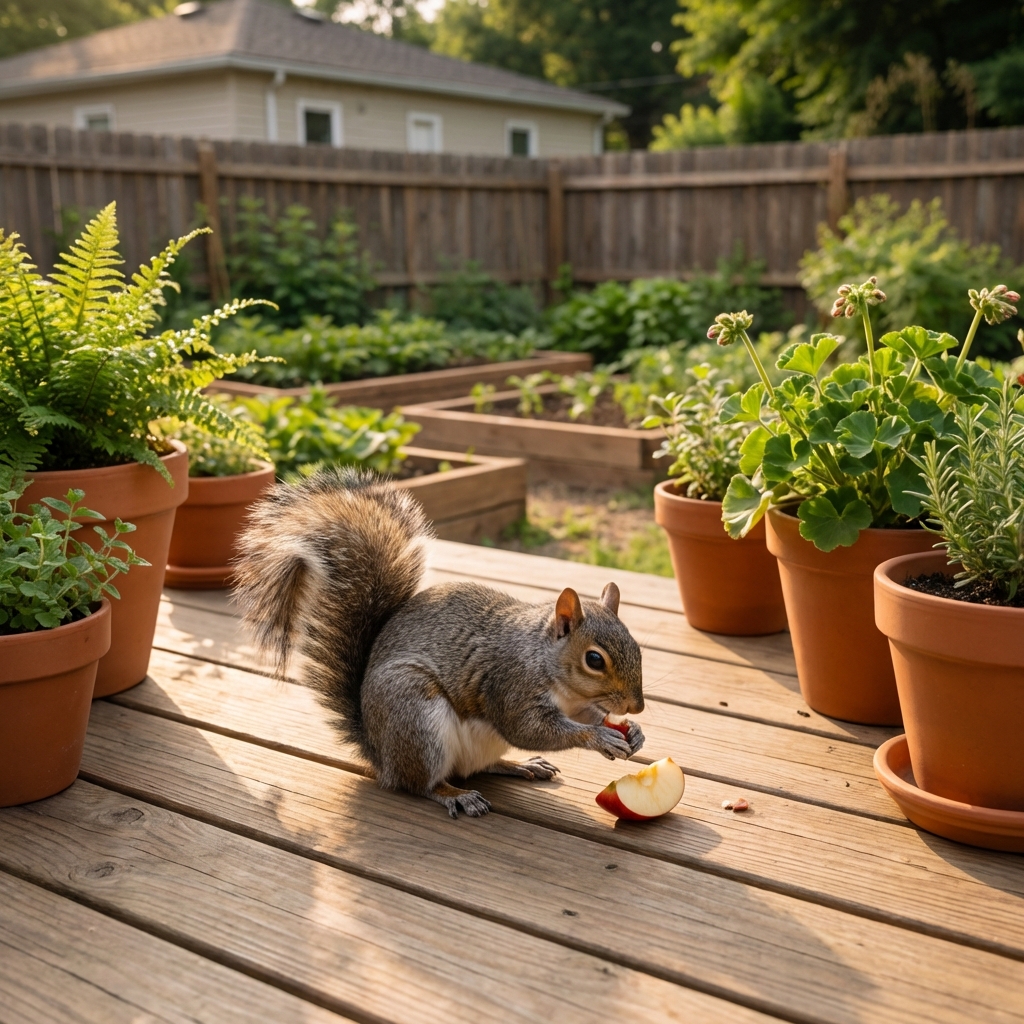
Water matters more than snacks in hot weather
If you want to do one helpful thing that does not create a dependency, put out a shallow water dish. Keep it clean and refresh it often, especially during heat waves. In freezing weather it will ice over quickly, so refill as conditions allow, or consider a heated birdbath if you want to provide water safely.
What not to feed squirrels
This is where most well-meaning feeding goes wrong. Squirrels have tough reputations, but their digestive systems are not built for a lot of what humans snack on.
Avoid these foods
- Salted or seasoned foods: chips, salted peanuts, flavored seed mixes.
- Chocolate and candy: not safe.
- Bread, crackers, pastries: low nutrition, easy to overeat, and can mold quickly outdoors.
- Processed “junk” food: cereal with sugar, cookies, fast food scraps.
- Moldy nuts, peanuts, or corn: can be dangerous for wildlife. If it smells off, toss it.
- Large amounts of peanuts: not “toxic,” but not a balanced staple. They also carry more risk if stored poorly because they can develop mold. If you use peanuts at all, choose fresh, raw, unsalted ones, store them dry, and treat them as an occasional snack.
- Anything with xylitol: common in sugar-free products and very unsafe for many animals.
If you want a simple rule: stick to natural, unsalted foods like nuts, seeds, and small amounts of produce, and skip the human snack aisle entirely.
How to feed squirrels without wrecking your garden
If your goal is to enjoy them while protecting your plants, setup matters as much as the food.
Choose a feeding spot on purpose
- Place food away from garden beds, especially freshly seeded areas.
- Keep it away from your house to avoid encouraging roof and attic exploration.
- Pick a spot that is easy for you to clean up.
- Avoid placing food right next to bird feeders to reduce conflict.
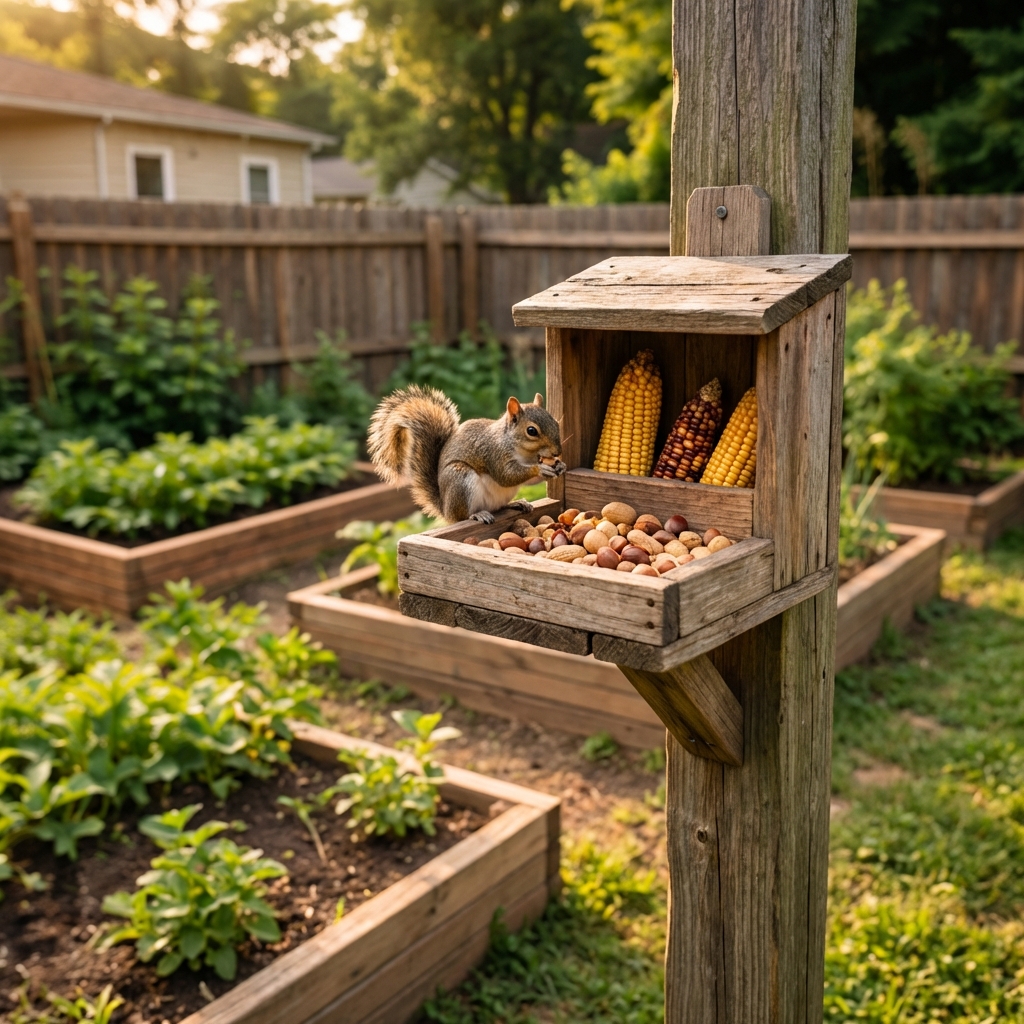
Use a squirrel feeder or a simple tray
A dedicated feeder can keep food contained and reduce scattering. A shallow tray mounted on a post also works. The goal is fewer leftovers on the ground.
Keep portions small
Think “snack,” not “meal.” A small handful of in-shell nuts is plenty. If you put out a big pile, squirrels will cache it all over your pots and beds.
Do not feed on a strict schedule
Predictable feeding creates predictable squirrels. If you do it, vary timing and keep it as an occasional treat.
Clean up and keep it sanitary
Old food draws ants, raccoons, rats, and flies. It can also concentrate animals and increase the chance of disease spreading. Remove uneaten produce within a few hours, and do not let damp corn or seed sit out. Wash trays and feeders regularly with hot, soapy water and let them dry fully.
Trying to protect plants instead?
A lot of gardeners end up here after the first few “cute” encounters. If squirrels are digging bulbs, uprooting seedlings, or taking one bite out of every tomato, feeding them more is not the fix.
Practical deterrents
- Cover fresh soil: hardware cloth, chicken wire, or row cover over newly planted areas.
- Top-dress pots: river stones, pine cones, or coarse mulch to reduce digging.
- Protect fruit: mesh bags on ripening tomatoes and strawberries, or use netting over a frame.
- Remove easy attractants: fallen fruit, open compost, and spilled bird seed.
- Use squirrel baffles: on bird feeder poles to reduce raids.
In my experience, physical barriers beat sprays and gimmicks almost every time.
Quick squirrel feeding checklist
- Choose raw, unsalted foods: in-shell nuts are ideal.
- Offer small portions and avoid a strict schedule.
- Feed away from gardens, bird feeders, and the house.
- Provide clean water during hot, dry weather (and refresh it as conditions allow in winter).
- Avoid processed foods, salty snacks, and anything moldy.
- Keep feeding areas clean to reduce pests and disease risk.
If you want the most garden-friendly compromise, my favorite approach is simple: skip daily feeding, put out a water dish, and use barriers where you grow what squirrels love.
Jose Brito
I’m Jose Britto, the writer behind The Country Store Farm Website. I share practical, down-to-earth gardening advice for home growers—whether you’re starting your first raised bed, troubleshooting pests, improving soil, or figuring out what to plant next. My focus is simple: clear tips you can actually use, realistic expectations, and methods that work in real backyards (not just in perfect conditions). If you like straightforward guidance and learning as you go, you’re in the right place.