Feeding wild deer sounds simple until you see the downsides up close. A well-meaning pile of food can cause digestive trouble, may attract predators, spread disease, and train deer to linger around roads, dogs, and people. If you still want to help, the goal is to support deer safely, not change their behavior or create a dependency.
This guide walks you through what deer naturally eat, what you can offer with the least risk, what to avoid, and how to do it in a way that is more realistic for backyards.
Before you feed: quick safety checks
Start here because it saves headaches later.
- Check local rules first. Many towns and states restrict feeding deer due to disease risk and nuisance issues. In areas with chronic wasting disease (CWD) or bovine tuberculosis concerns, even bait piles and mineral sites may be prohibited because they concentrate deer and increase saliva and nose-to-nose contact.
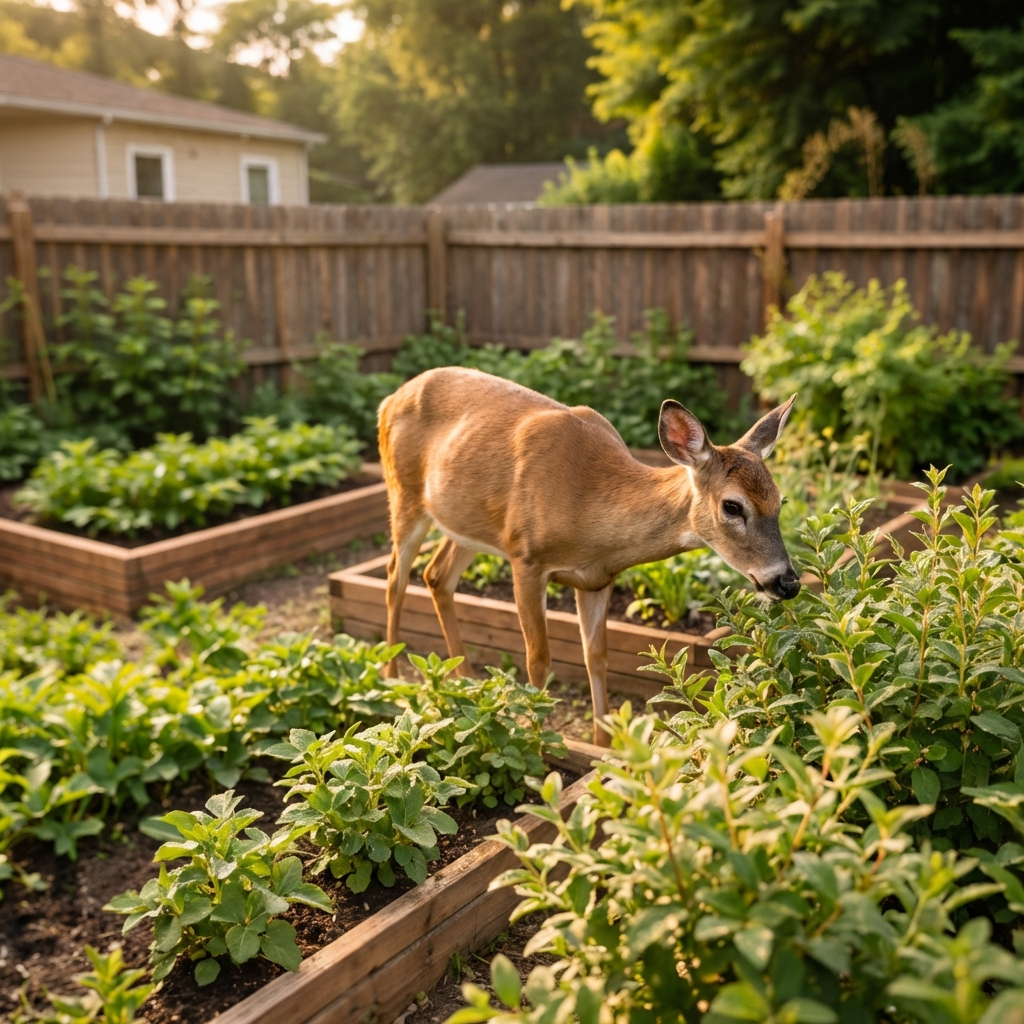
- Know what you are encouraging. Feeding can increase browsing pressure on your garden and your neighbors’ landscaping, and it can increase local deer density over time.
- Avoid feeding during stressful transitions. Sudden diet changes, especially in winter, can cause digestive problems. Deer rely on rumen microbes that adapt to seasonal foods, and high-starch feeds (like corn, bread, and many processed foods) are more likely to cause trouble when introduced suddenly.
- Keep distance from roads and homes. Feeding near driveways and streets increases vehicle collisions.
Do not feed if: there is an active disease advisory in your area, bears are active where you live, neighbors are being impacted, or you see a deer that looks sick (drooling, stumbling, head tremors, extreme thinness, visible wounds). In those cases, contact your state wildlife agency or local animal control for guidance.
If you want to help deer with fewer downsides, focus on habitat: native shrubs, brushy edges, and clean water. That is more natural and less likely to cause harm.
What wild deer eat naturally
Deer are browsers more than grazers. They pick at a wide variety of plants and adjust their diet by season.
Common natural deer foods
- Spring and summer: tender leaves, buds, forbs (broadleaf weeds), garden plants, new growth on shrubs
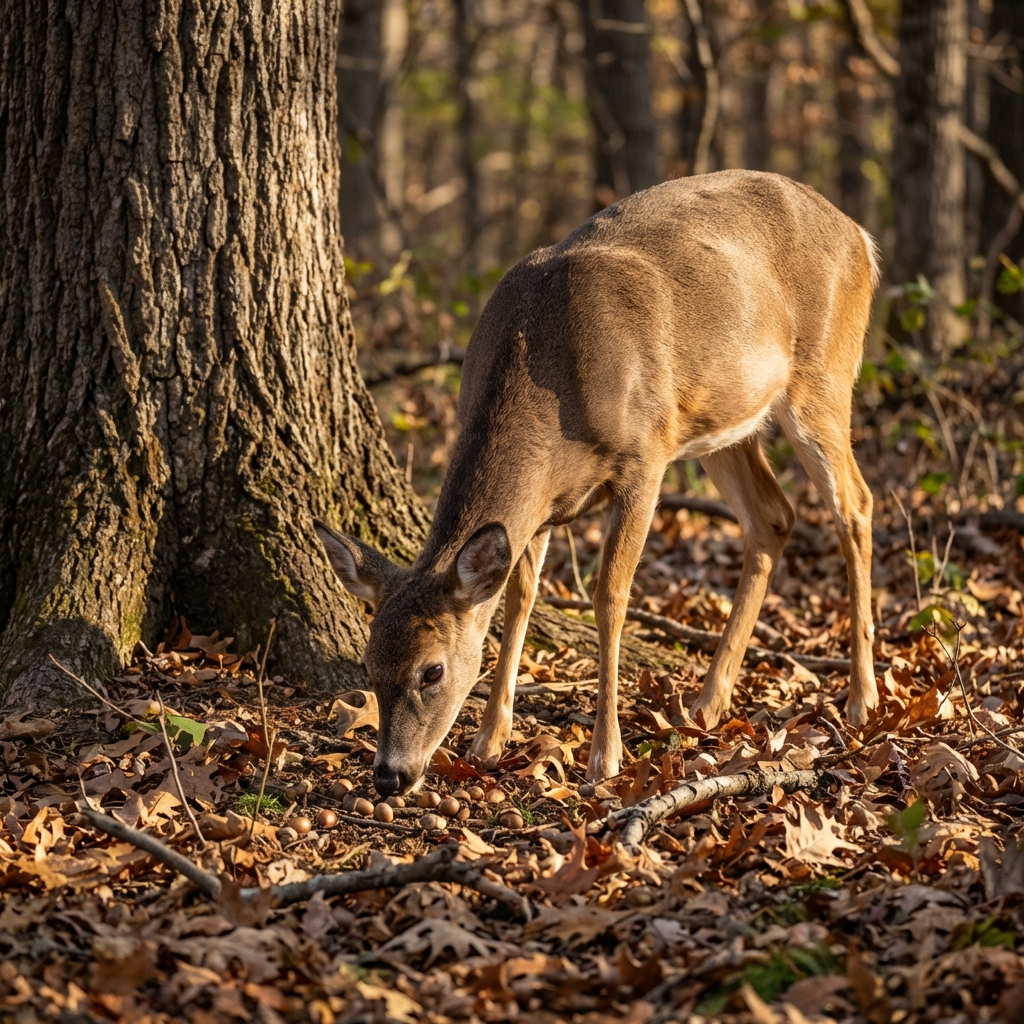
- Fall: acorns, nuts, apples and other soft mast, crop leftovers where available
- Winter: twigs, woody browse, evergreen tips, dried leaves and other plants they can reach above the snow
This matters because the safest “supplemental” foods are the ones that look most like what deer already eat at that time of year.
Best foods to offer (if you choose to feed)
If you are going to put food out, keep it simple and consistent. Small amounts are safer than big piles.
How much is “small”? There is no universal number because herd size and natural food availability vary. A good rule is: put out only what is typically eaten within a few hours, then remove leftovers. If food is still sitting there the next day, you are putting out too much.
1) Natural browse from your property
This is the most deer-appropriate option. Think like a deer: leafy twigs, brush tips, and woody stems.
- Prunings from non-toxic shrubs (for example, dogwood or willow)
- Fallen branches with buds in late winter
- Brush piles placed away from roads can provide both cover and nibbling material
Tip: Do not offer ornamental prunings if you are unsure they are safe. Some landscape plants can be toxic to animals.
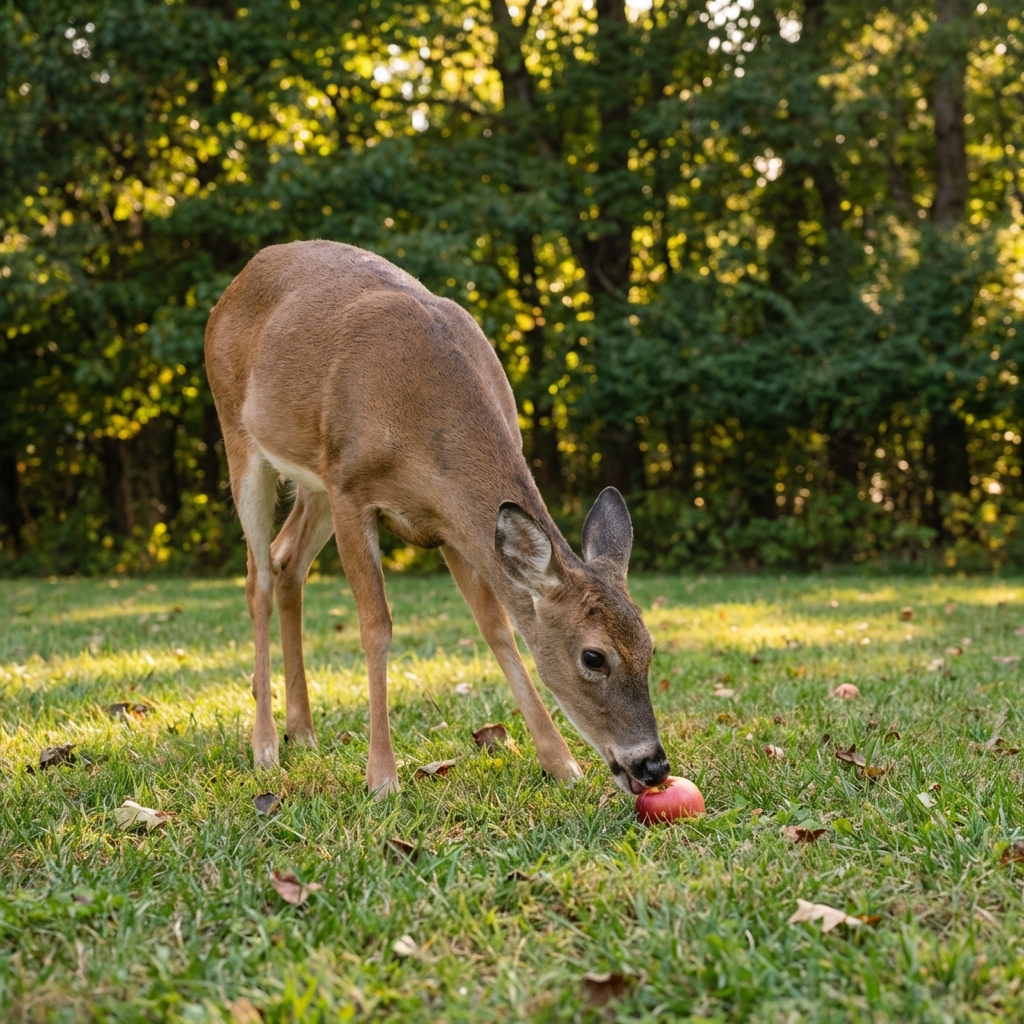
2) Apples and other fruits (sparingly)
Deer love fruit, but fruit is best as an occasional treat, not a staple.
- Offer small quantities of whole or halved apples
- Pick up rotting fruit to reduce insects and disease risk
- Never dump a large load of windfall fruit in one spot
3) Acorns and other mast (when available)
If you have oak trees, acorns are one of the most natural fall foods you can “offer” without really changing deer behavior. Let them forage naturally rather than putting out piles.
4) Commercial deer feed or pellets (only with caution)
Store-bought deer feeds may be safer than random kitchen scraps when used as directed, but quality varies and misuse can still cause harm. If you use them:
- Introduce slowly and keep amounts modest
- Place in a clean, dry feeder to reduce mold
- Avoid feeding when regulations or disease advisories discourage it
Important: Moldy feed can make animals sick. If anything smells musty or looks clumped, toss it.
What not to feed wild deer
Some foods are risky because they ferment, mold, cause digestive upset, or draw deer into unhealthy patterns around people.
Avoid these common options
- Bread, crackers, chips, cereal, and processed foods
- Large amounts of corn (especially suddenly in winter). Corn is commonly used, but heavy corn feeding can contribute to digestive problems and crowding.
- Hay bales meant for livestock. Some deer will nibble hay, but it molds easily and is not the same as deer browse.
- Moldy fruit or spoiled vegetables
- Kitchen scraps (they attract rodents and create a mess fast)
- Salt blocks and mineral licks in areas where feeding is restricted or disease is a concern. They can concentrate deer and increase disease spread, plus salt can alter soil and damage nearby plants.
If you are unsure about a food, skip it. Deer do best with natural foraging, not human leftovers.
Season-by-season tips
Spring
Spring has plenty of natural green growth. This is a good time to avoid feeding and instead focus on planting deer-friendly native shrubs away from roads and gardens you want to protect.
Summer
Heat stress is real. If you want to help, water is often more useful than food. A shallow, regularly cleaned water source can benefit many animals.
Fall
Fall is when deer naturally eat mast like acorns and soft fruits. Let them forage. If you put anything out, keep it small and spread out so deer do not crowd.
Winter
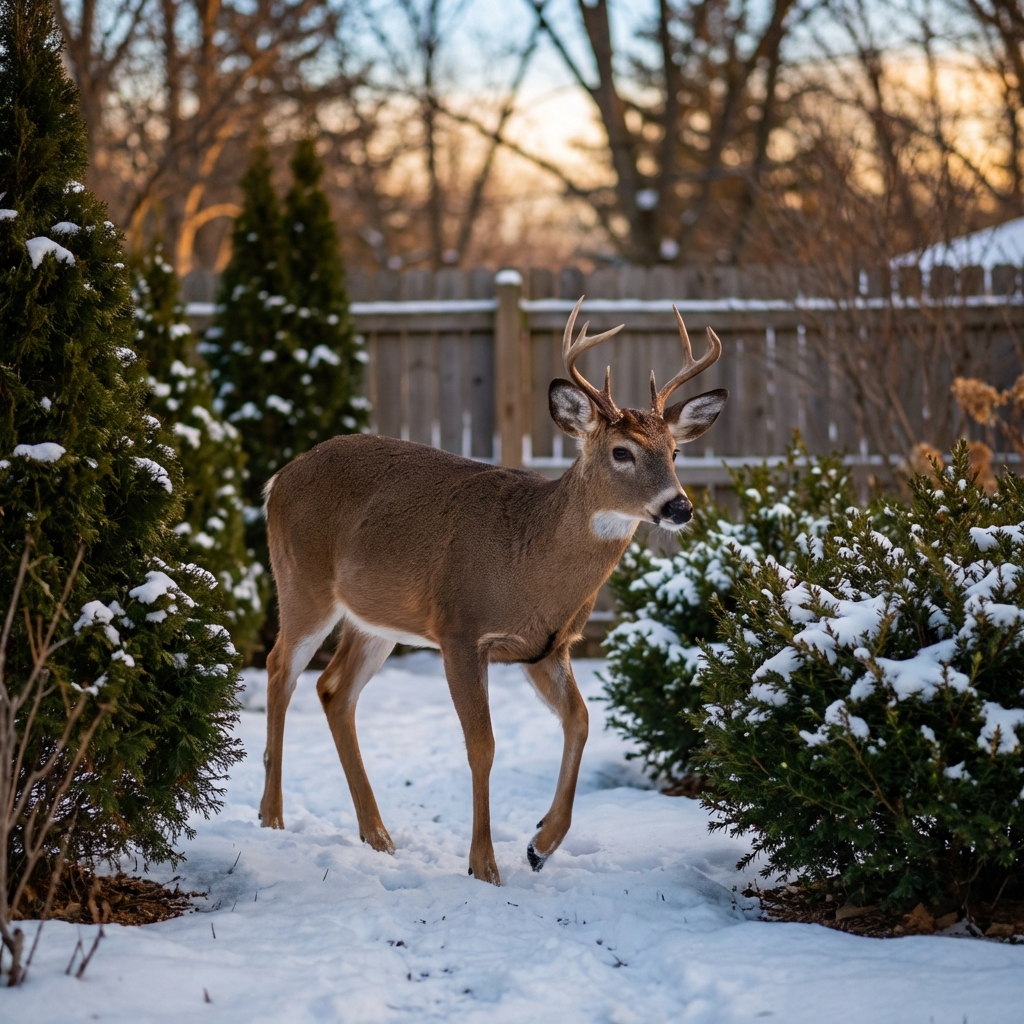
Winter is the trickiest. Deer digestion shifts with their seasonal diet, and sudden rich foods can cause issues. If you feed in winter, do it cautiously and keep food similar to natural browse. Many wildlife experts recommend focusing on habitat and cover rather than trying to “fix” winter with piles of food.
How to feed with less risk
If you choose to feed, these steps reduce risk.
- Use small amounts. A little supplemental food is better than a buffet.
- Spread it out. Multiple small spots reduce crowding and aggressive behavior.
- Keep it clean. Remove old food. Clean feeders regularly to reduce mold and disease spread.
- Keep distance. Place feeding areas away from roads, play areas, and pet routes.
- Do not hand-feed. It teaches deer to approach humans and increases conflict.
Water: the overlooked way to help
If your goal is supporting wildlife, clean water can be a safer contribution than food in many areas. Like feeding, water can also concentrate animals, so placement and cleaning matter.
Simple water setup
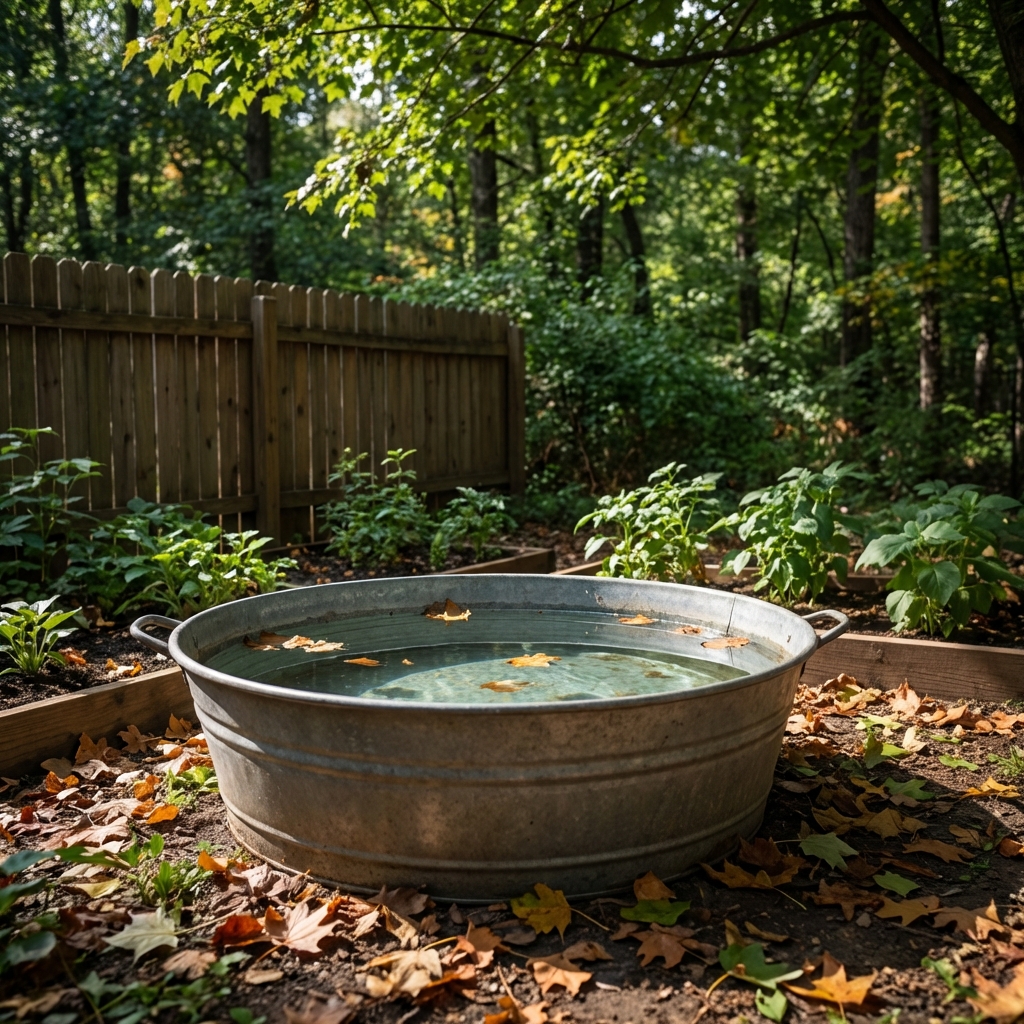
- Use a sturdy shallow tub or ground-level basin
- Refresh frequently, especially in hot weather
- Scrub algae and debris to keep it clean
- Dump standing water regularly to reduce mosquitoes
- Place near cover but not right next to the house
Feeding deer vs. protecting your garden
If deer are already visiting, feeding them often increases how long they stay and how much they browse. If you are trying to keep them out of your beds, it helps to separate “wildlife support” from “garden protection.”
Garden protection basics
- Fence first. Even a modest fence can reduce damage. Taller is better for deer.
- Use repellents strategically. Rotate products and reapply after rain.
- Choose less-preferred plants. Nothing is deer-proof, but some plants are less tempting.
- Plant buffers. Put deer favorites farther from your main garden when possible.
Common questions
Is it okay to feed deer corn?
Small amounts are less risky than large piles, but corn is still a common problem food when it becomes the main thing deer eat, especially in winter. If you feed, keep it limited and avoid creating a daily dependency.
Can deer eat oats?
Oats are sometimes used in deer mixes and can be more appropriate than many processed foods, but any supplemental feed should be introduced gradually and kept dry to prevent mold.
Should I put out mineral or salt blocks?
Mineral and salt products can concentrate deer in one spot, which increases disease transmission risk and nuisance behavior. Many places also restrict them. Check local guidance before using any.
What is the safest way to help deer in winter?
The safest help is usually habitat: leave brushy edges, avoid clearing all cover, and provide clean water when possible. If you feed, keep it conservative and consistent, and avoid sudden diet changes.
I found a fawn. Should I feed it?
No. Fawns are often left alone while their mothers forage, and “rescuing” them can do more harm than good. Do not offer cow’s milk or bottle-feed. If the fawn is visibly injured, covered in flies, crying nonstop for hours, or you know the doe was killed, contact a licensed wildlife rehabilitator or your state wildlife agency.
Bottom line
If you want to feed wild deer, the safest approach is to keep it natural, keep it small, keep it clean. In many yards, supporting habitat and offering water does more good with fewer unintended consequences than putting out food. Deer are built to forage. Our job is to avoid making that harder with the wrong kind of help.

Jose Brito
I’m Jose Britto, the writer behind The Country Store Farm Website. I share practical, down-to-earth gardening advice for home growers—whether you’re starting your first raised bed, troubleshooting pests, improving soil, or figuring out what to plant next. My focus is simple: clear tips you can actually use, realistic expectations, and methods that work in real backyards (not just in perfect conditions). If you like straightforward guidance and learning as you go, you’re in the right place.