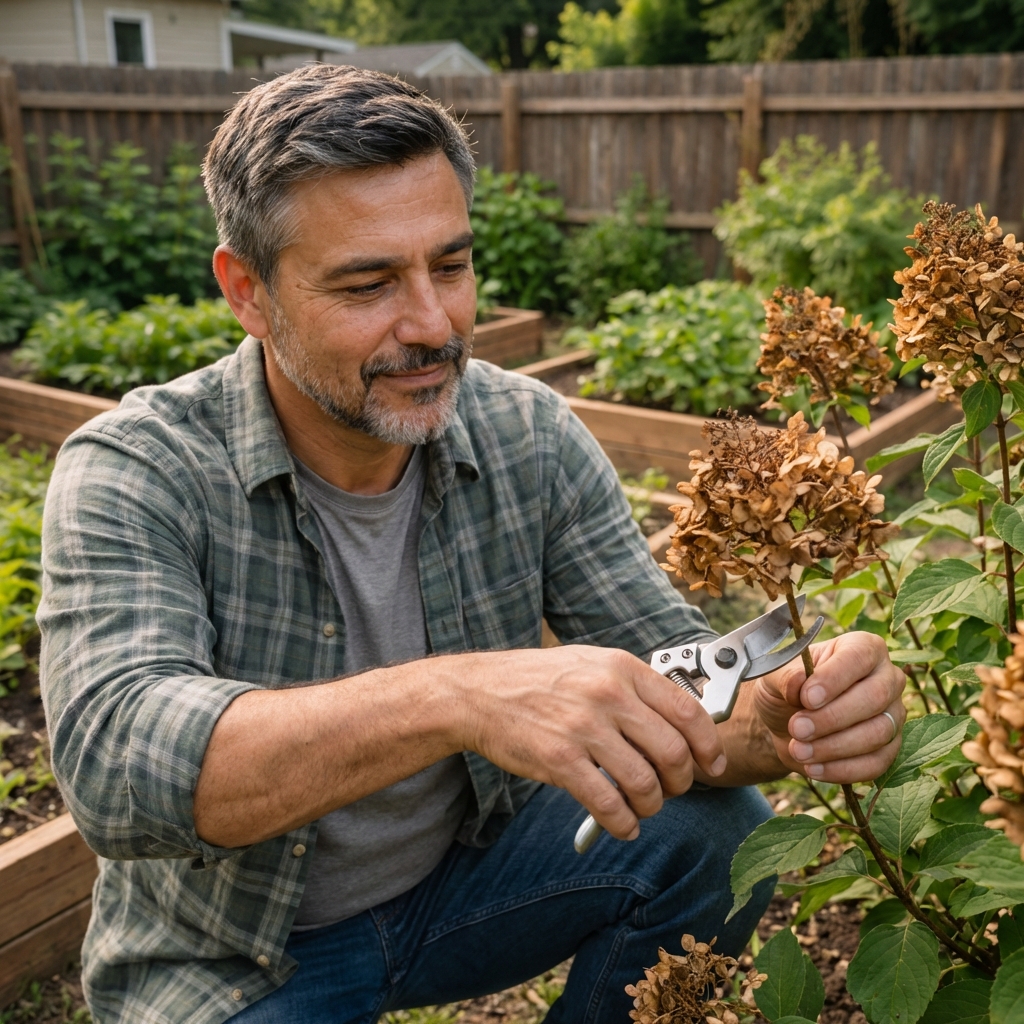
Hydrangeas are the kind of shrub that can take a lot of garden “good intentions” and still survive. But pruning is where timing really matters. Prune at the wrong time and you do not just shape the plant, you can remove the flower buds that were already set for next season.
This page keeps it practical. We will focus on when to prune based on the type of hydrangea you have, plus a few simple cuts that are safe no matter what.
The one rule that saves most blooms
Prune based on whether your hydrangea blooms on old wood or new wood.
- Old wood bloomers form next year’s flower buds on last year’s stems. If you cut those stems at the wrong time, you cut off blooms.
- New wood bloomers form flower buds on the current season’s growth. They are much more forgiving and can be pruned in late winter or early spring.
If you are not sure which you have, do not panic. A little detective work goes a long way.
Quick ID: what kind of hydrangea do you have?
These are the most common hydrangeas in home gardens. If you can match yours to one of these, pruning gets easy.
Bigleaf hydrangea (Hydrangea macrophylla)
Bloom habit: usually old wood (some reblooming types bloom on both).
Flowers: mophead or lacecap in blue, pink, purple.
Clue: fat, glossy leaves and rounded flower heads.
Mountain hydrangea (Hydrangea serrata)
Bloom habit: old wood (some reblooming types bloom on both).
Flowers: lacecap style is common.
Clue: looks like a smaller, slightly more delicate bigleaf.
Oakleaf hydrangea (Hydrangea quercifolia)
Bloom habit: old wood.
Flowers: cone-shaped white blooms that age to pink or tan.
Clue: leaves shaped like oak leaves, often with great fall color.
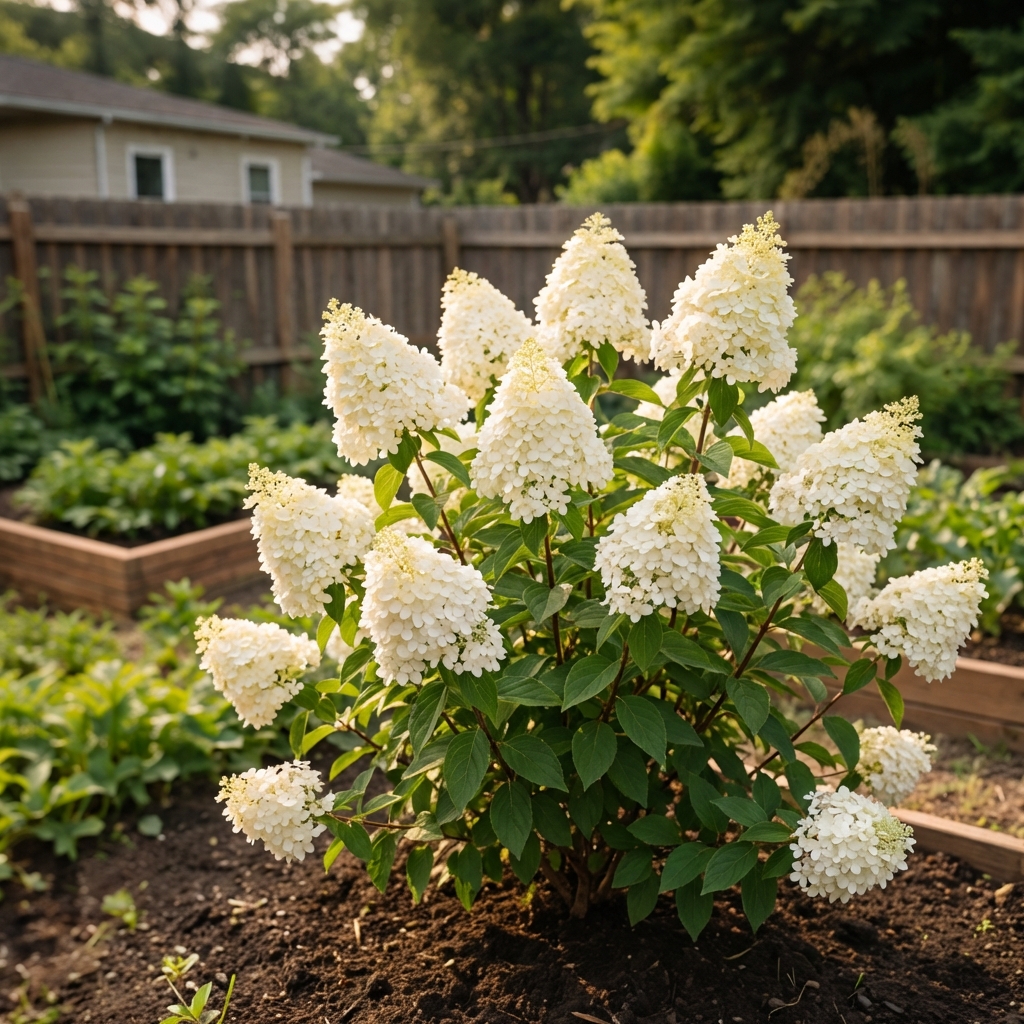
Panicle hydrangea (Hydrangea paniculata)
Bloom habit: new wood.
Flowers: big cones, often white turning blush or pink.
Clue: a woody, upright shrub with sturdy stems, usually more sun tolerant than bigleaf types.
Smooth hydrangea (Hydrangea arborescens)
Bloom habit: new wood.
Flowers: round white or greenish heads (like ‘Annabelle’).
Clue: tends to die back in winter in many climates and regrow strongly. Leaves are often thinner and more matte than bigleaf.
Climbing hydrangea (Hydrangea anomala subsp. petiolaris)
Bloom habit: old wood.
Flowers: flat, lacecap-style white blooms.
Clue: a vine with aerial rootlets that clings to walls, fences, and tree trunks.
When to prune hydrangeas by type
Bigleaf and mountain hydrangeas: prune after flowering
Best time: as soon as flowering finishes, while the plant still has time to set buds for next year.
- In many gardens, that is mid-summer. In cooler zones or places with early frosts, earlier is safer.
- Stop major pruning once nights cool down and the plant starts shifting toward dormancy. In colder climates, late cuts can leave tender growth more exposed going into winter and can remove developing buds.
If yours is a reblooming variety (often marketed as repeat blooming), it is still safest to keep pruning light. These can bloom on both old and new growth, but old wood often drives the earliest, best flush.
Oakleaf hydrangeas: prune after flowering, keep it minimal
Best time: right after flowering, same logic as bigleaf.
Oakleaf hydrangeas usually need less pruning than people expect. Many times, all they need is cleanup and a little shaping.
Panicle hydrangeas: prune in late winter or early spring
Best time: late winter to early spring, before new growth takes off. (In many areas, that is roughly February to March. Adjust earlier or later based on your local climate.)
Because panicles bloom on new wood, you can prune harder without sacrificing flowers. This is why they are a great choice if you want easy maintenance.
Smooth hydrangeas: prune in late winter or early spring
Best time: late winter to early spring.
These bloom on new growth. You can cut them back for size control, but you do not have to cut them to the ground every year to get blooms.
Climbing hydrangeas: prune after flowering if needed
Best time: right after flowering. Most years, climbing hydrangea needs very little pruning beyond removing dead, damaged, or wayward vines.
A simple pruning plan (safe and realistic)
If you are standing there with pruners in hand, here is a plan that works for most home gardens.
Step 1: Start with the “always OK” cuts
- Remove dead wood any time you can clearly tell it is dead. Dead stems snap dry and have no green under the bark.
- Remove broken, diseased, or rubbing branches as soon as you notice them. If you are cutting out disease, wipe pruners between cuts (alcohol wipes or a quick dip in a disinfectant works) so you do not spread problems plant to plant.
- Cut out weak, spindly stems that flop and tend to bloom less, especially in the center where airflow is poor.
Step 2: Decide if you are shaping or reducing size
Shaping is light trimming to tidy the outline. Size reduction is where people get into trouble, especially with old wood bloomers.
- If you have an old wood bloomer, do size reduction right after flowering, and do it gradually over a couple seasons.
- If you have a new wood bloomer, do size reduction in late winter or early spring.
Step 3: Use the right cut
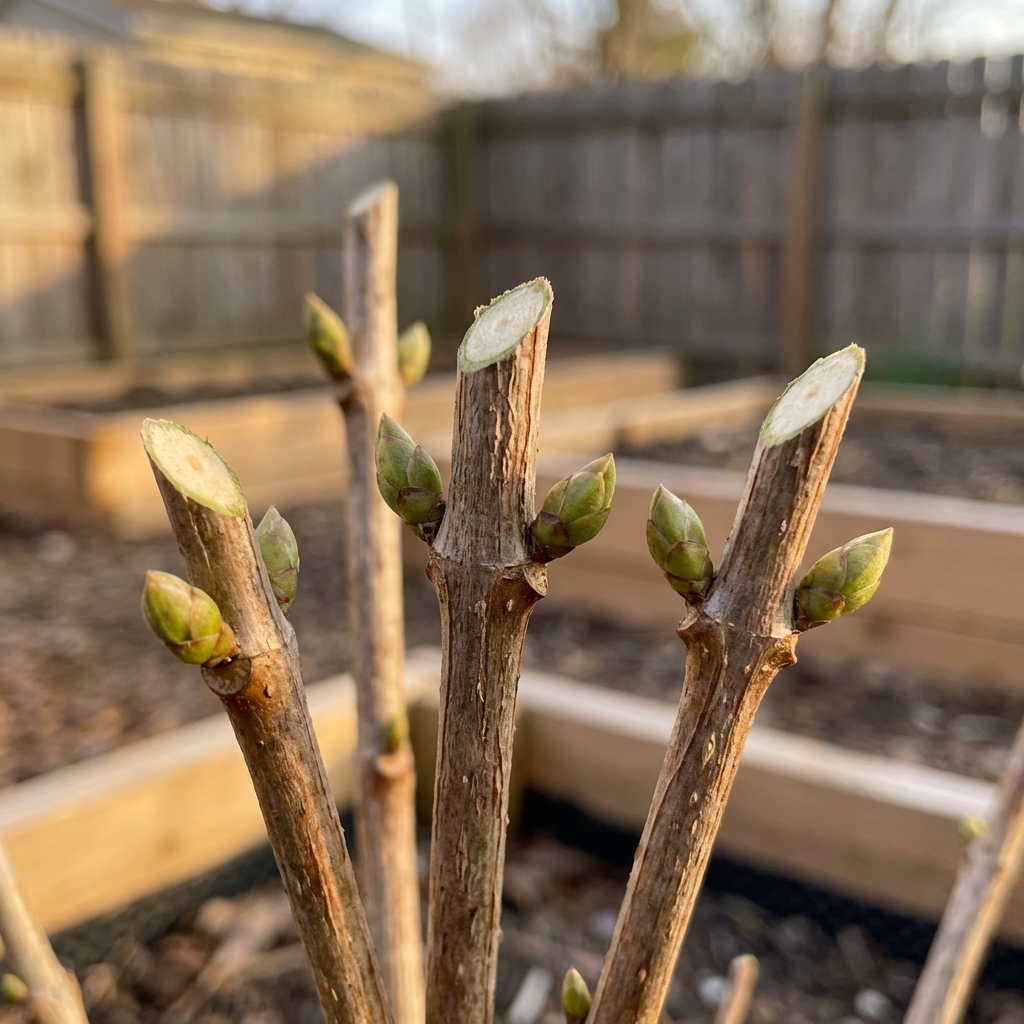
- Make cuts just above a healthy pair of buds or a branching point.
- Avoid leaving long, bare stubs. They die back and invite problems.
- Do not shear like a hedge. Hydrangeas look best with selective pruning.
How much should you prune?
This is where expectations matter. Many hydrangeas do better with less pruning than you think.
For old wood bloomers
- Minimal approach: dead wood out, a few older stems removed at the base, and light shaping after bloom.
- Renewal approach: each year, remove up to one-third of the oldest stems at the base to encourage fresh growth, but keep plenty of flowering wood.
For new wood bloomers
- Light pruning: remove about one-quarter of last year’s growth for a natural look.
- Moderate pruning: cut back by one-third to one-half to control size and encourage sturdy stems.
- Hard pruning (only if needed): cutting very low can lead to fewer but larger blooms and sometimes floppier stems, especially with smooth hydrangeas. Many gardeners have success cutting smooth hydrangeas back to about 12 to 24 inches instead of all the way down.
Deadheading: does it count as pruning?
Deadheading is removing spent flowers. It is not the same as structural pruning, but timing still matters for old wood types.
When it is helpful
- To tidy the plant after bloom.
- To reduce the weight of old flower heads and keep things looking cleaner. Some gardeners also feel it helps the plant put a bit more energy into growth, but the main benefit is appearance.
How to do it safely
- For bigleaf, mountain, and oakleaf, cut the old flower off with a short stem, staying above the first or second set of healthy buds below the flower.
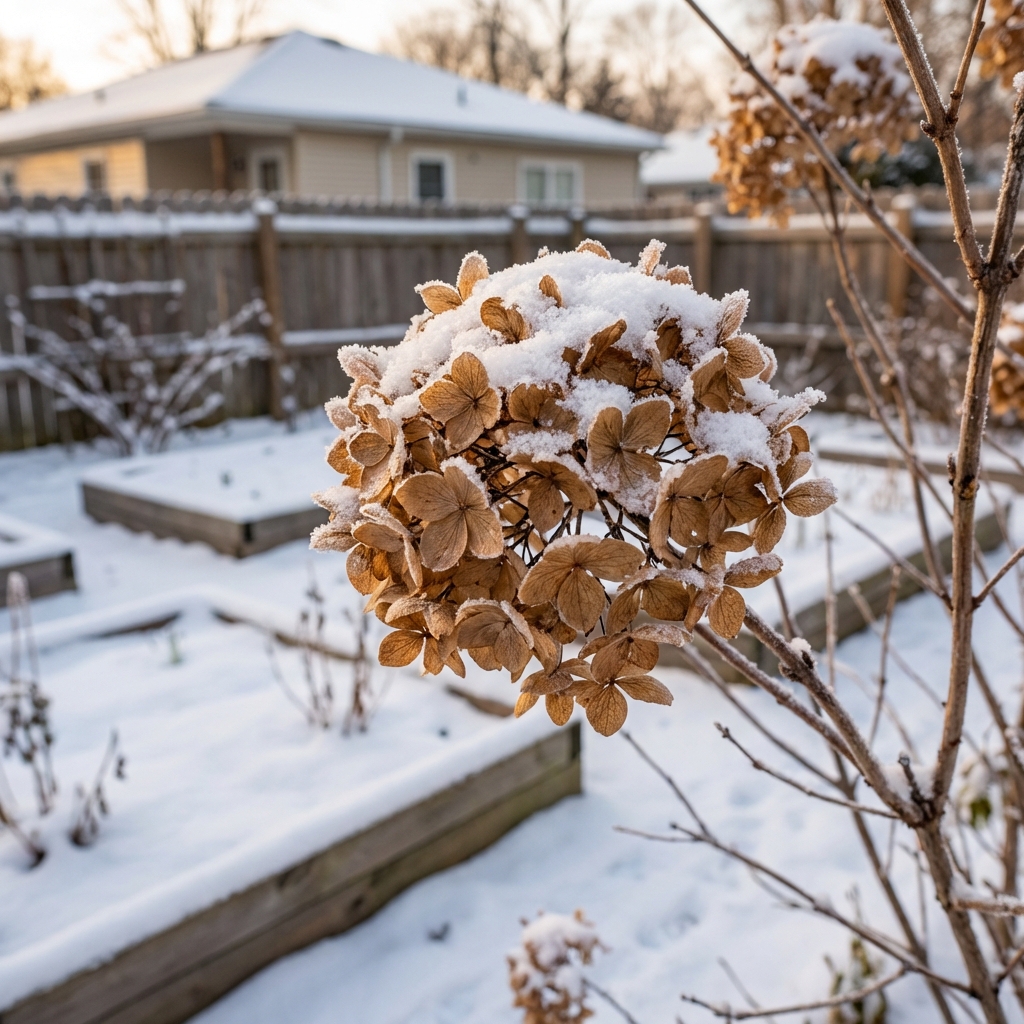
- For panicle and smooth, deadheading is optional. Many gardeners leave dried blooms for winter interest and prune later.
Common pruning mistakes (and what to do next)
Mistake: pruning bigleaf hydrangea in fall or early spring
What happens: you remove flower buds and get lots of leaves with few or no blooms.
What to do: let it grow. Focus on good light, consistent moisture, and spring feeding. If winter kill is common where you live, protect stems with a windbreak or burlap, and mulch the root zone.
Mistake: cutting everything to the ground every year
What happens: old wood bloomers will not bloom, and even new wood types may get weak, floppy stems.
What to do: switch to selective pruning and remove only a portion of stems annually. For smooth hydrangeas that flop, try moderate pruning (often 12 to 24 inches) instead of cutting to the ground.
Mistake: pruning during heat stress or drought
What happens: extra stress and slower recovery.
What to do: wait for cooler weather if possible, water deeply, and keep mulch in place.
Not a pruning mistake: winter damage on bigleaf or mountain hydrangeas
What happens: even if you pruned perfectly, flower buds on old wood can be killed by a hard winter, late freeze, or drying winds. The plant leafs out but has few blooms.
What to do: protect the plant in exposed sites, avoid late-season high-nitrogen fertilizing, mulch the root zone, and choose more protected planting locations. In cold-winter areas, reblooming cultivars can be more reliable because they can also bloom on new growth.
Growing tips that make pruning easier
Give them the right light
- Bigleaf and mountain: morning sun, afternoon shade is ideal in many regions.
- Panicle: handles more sun, often blooms best with 6 or more hours.
- Oakleaf: part shade is great, but tolerates more sun in cooler climates.
Water with consistency
Hydrangeas are shallow rooted. Irregular watering can cause droop, crispy edges, and smaller blooms. Aim for deep watering when the top few inches of soil dry out, and use mulch to keep moisture steady.
Do not overdo nitrogen
Too much nitrogen can push leafy growth at the expense of flowers. If you fertilize, use a balanced, slow-release option in spring and stop heavy feeding later in the season.
Support floppy bloomers
Smooth hydrangeas in particular can flop under heavy flowers or after rain. Moderate pruning, morning sun, and a simple support ring can make a big difference.
Quick timing cheat sheet
- Bigleaf (macrophylla): prune as soon as flowering finishes (light and selective).
- Mountain (serrata): prune as soon as flowering finishes.
- Oakleaf (quercifolia): prune right after flowering (minimal).
- Panicle (paniculata): prune late winter to early spring.
- Smooth (arborescens): prune late winter to early spring.
- Climbing (anomala subsp. petiolaris): prune right after flowering (only if needed).
If you take nothing else from this: identify your type first. That one step prevents most “no blooms this year” hydrangea headaches.

Jose Brito
I’m Jose Britto, the writer behind The Country Store Farm Website. I share practical, down-to-earth gardening advice for home growers—whether you’re starting your first raised bed, troubleshooting pests, improving soil, or figuring out what to plant next. My focus is simple: clear tips you can actually use, realistic expectations, and methods that work in real backyards (not just in perfect conditions). If you like straightforward guidance and learning as you go, you’re in the right place.