Silverfish are one of those pests that make you feel like your house has a secret life after dark. You see a quick flash of silver near a planter, a baseboard, or the bathroom, and suddenly you are wondering if your houseplants are the problem.
Sometimes they are. More often, your plants are just part of a bigger “perfect storm” that includes humidity, cardboard, clutter, and tiny crumbs of organic material that silverfish can live on.
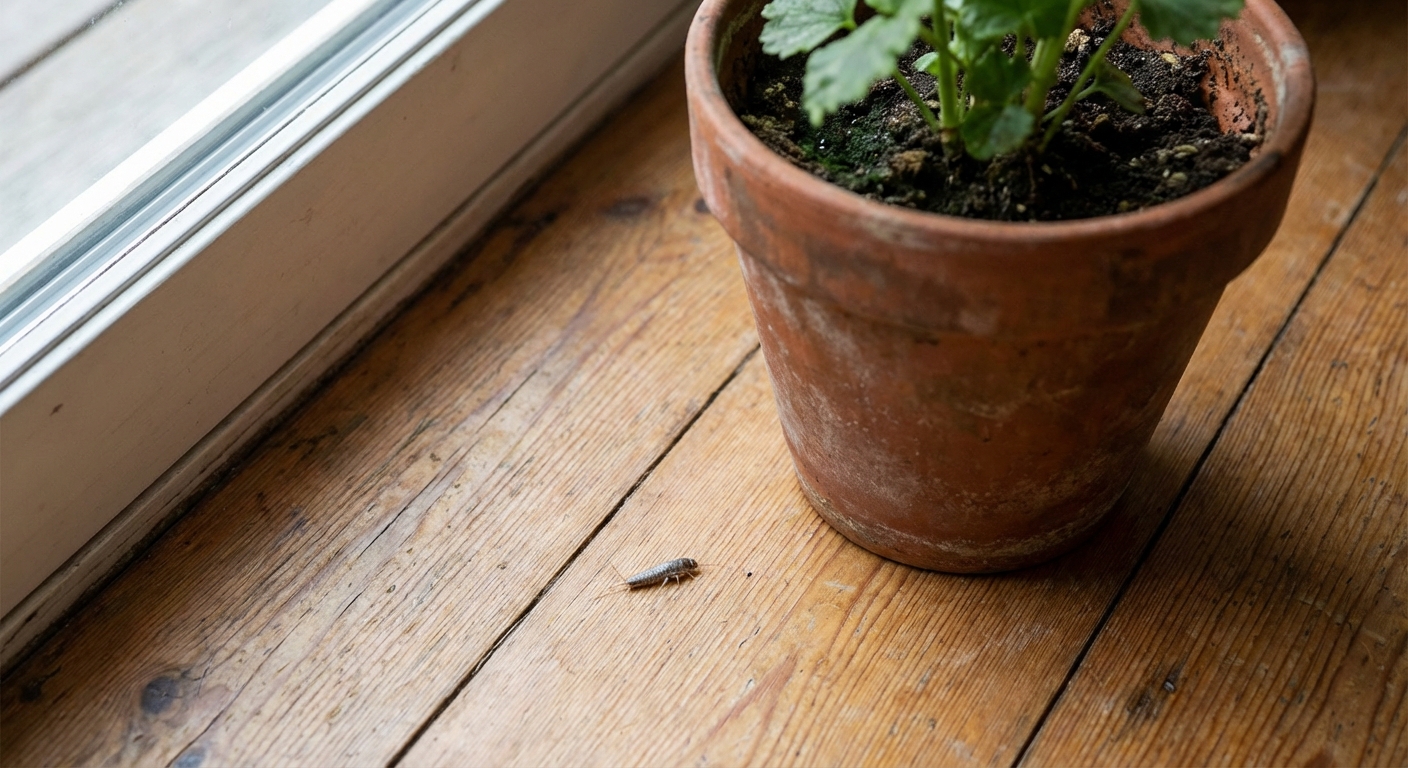
What silverfish are (and why they like plant areas)
Silverfish are small, wingless insects that move fast and prefer darkness. They are not like fungus gnats that hover around soil. Silverfish are more like nighttime scavengers.
They typically feed on starchy or cellulose-based materials, including:
- Paper, cardboard, and book bindings
- Dust and lint (especially in corners)
- Wallpaper paste and some glues
- Dead leaves and plant debris
- Some dry foods like flour, cereal, and pet kibble
- Some natural fibers like cotton, linen, and silk (especially if there is starch or sizing)
Houseplants become relevant because plant areas often have:
- Higher humidity and dampness
- Potting mix and organic debris
- Cozy hiding spots behind pots, trays, and furniture
Are they in the soil or just nearby?
This is the key question. Silverfish can hang around planters without truly living “in” the potting mix the way other pests do.
Signs they are using the plant area as a hideout
- You see them on the floor, wall, or saucer, not on the plant itself
- They appear at night when you turn on a light
- You have multiple sighting areas, especially bathrooms, laundry rooms, or basements
Signs your pot setup is contributing
- Saucers stay wet for long periods
- Potting soil smells musty
- Fallen leaves and old mulch sit on top of the soil
- You store potting mix bags, cardboard, or paper near plant shelves
Quick check: Place a piece of cardboard or a folded paper towel near the pot overnight. If silverfish are using that area, they will often shelter under it. This does not prove the soil is the source, but it confirms the zone is attractive.
What damage they cause
Silverfish are mostly a nuisance, but they can damage the things they snack on over time. The most common issues are:
- Small holes, notches, or “scraped” areas in paper, photos, and book edges
- Damage to pantry items (especially paper packaging) and occasional contamination
- Minor damage to fabrics, especially stored natural fibers
If you are seeing them regularly, it is usually a sign that your home has a humidity and hiding-spot combo they really like.
Why you have silverfish near houseplants
1) Moisture (the big one)
Silverfish do best in humid conditions. They can survive in drier homes, but they reproduce far more successfully when humidity stays high. Overwatering, wet saucers, and constantly damp topsoil can keep the microclimate around your pots humid even if the rest of the room feels fine.
2) Organic “snacks” in and around the pot
Silverfish do not chew healthy leaves the way some pests do, but they will feed on dead plant matter and organic crumbs. Think dried leaves in the saucer, potting mix spilled on shelves, or decomposing bits on top of the soil.
3) Great hiding spots
Tight spaces behind plant stands, stacks of nursery pots, stored cardboard, and cluttered shelves create the kind of protected cracks and crevices silverfish love.
4) They are coming from elsewhere
Even if you only notice them near plants, silverfish often originate from bathrooms, basements, crawlspaces, or wall voids. The plant area is just one of their routes.
Eco-friendly ways to get rid of silverfish
The goal is not just killing the ones you see. The goal is making your home less comfortable for them so the population collapses.
Step 1: Dry out the plant area
- Empty saucers after watering. Do not let pots sit in water.
- If you bottom-water, remove the pot after 15 to 30 minutes and let it drain fully before putting it back.
- Let the top 1 to 2 inches of soil dry between waterings for plants that tolerate it.
- Increase airflow around your plant shelf. A small fan on low can make a big difference.
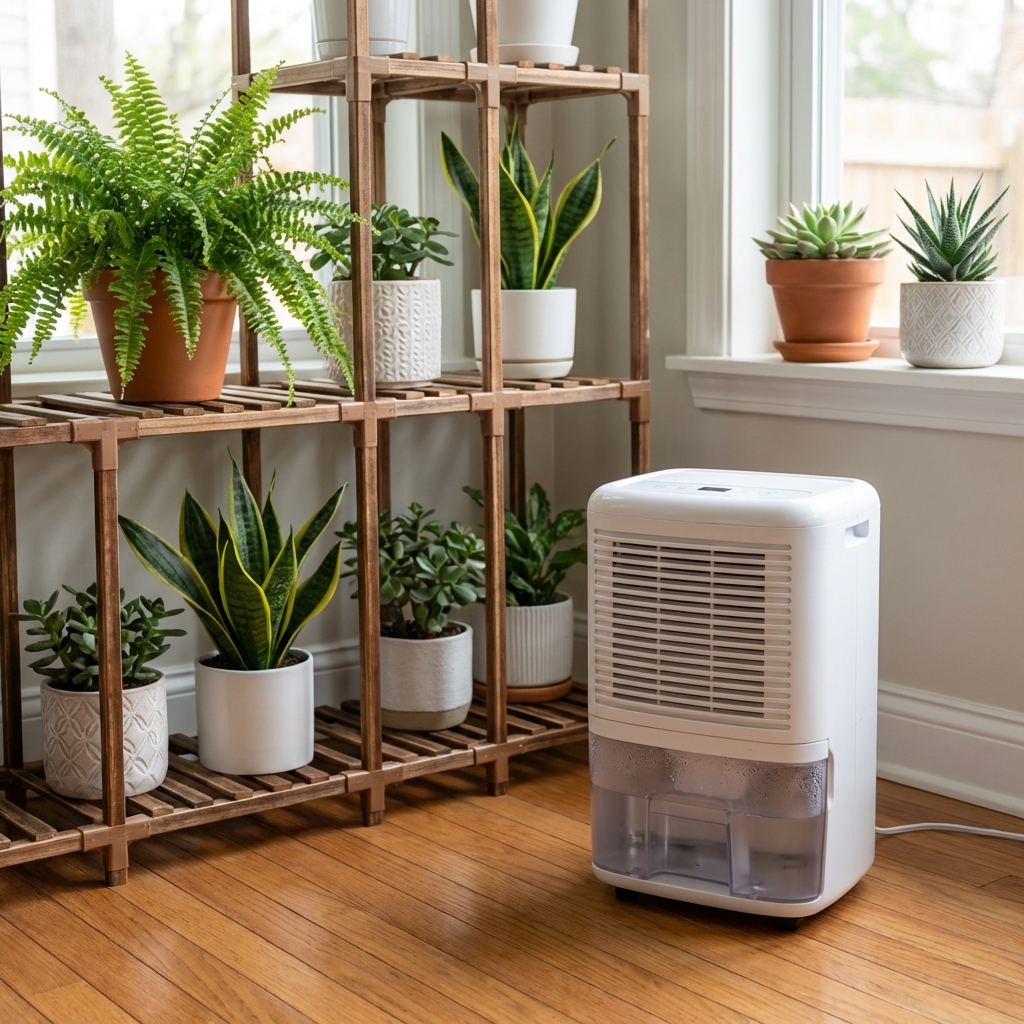
If your room is humid, a dehumidifier is one of the most effective eco-friendly tools available. Aim for roughly 40 to 50 percent humidity if possible. Going much below about 40 percent can feel uncomfortable for people and can stress some plants.
Step 2: Clean the food layer
- Remove dead leaves from the soil surface and saucers weekly
- Vacuum around pots, baseboards, and under plant stands
- Wipe shelves to remove dust and spilled potting mix

Step 3: Use simple traps to monitor and reduce numbers
Traps help you confirm where they are active and knock down the population without spraying anything.
- Sticky traps: Place along baseboards near plant areas and behind shelves. Check weekly.
- Jar trap: Put a small jar with a little flour or oatmeal inside. Wrap the outside with masking tape or rough paper so they can climb in. Make the inside hard to climb by keeping it smooth and adding a thin wipe of petroleum jelly just under the rim. This helps prevent escape.
Step 4: Use desiccant dust in the right places (carefully)
Food-grade diatomaceous earth is a low-tox option that works by drying insects out. It is not a “plant soil amendment” in this situation. It works best where silverfish travel.
- Lightly dust cracks, crevices, and behind baseboards near plant areas
- Avoid making piles, a thin film is more effective
- Keep it out of kids and pet traffic zones
- Do not puff it into the air, silica dust is an inhalation irritant
- Reapply if it gets wet, it is far less effective when damp
If you prefer an even lower-dust approach, focus on drying, cleaning, and trapping first. Those three steps solve silverfish issues in many homes.
Step 5: Reduce hiding places
- Recycle cardboard boxes and paper bags near plant supplies
- Store potting mix in sealed bins
- Declutter behind and under plant stations
Step 6: Seal entry points (exclusion)
Silverfish love traveling through tiny gaps. Sealing them reduces the number that can move in and out of your plant area.
- Caulk gaps along baseboards and trim
- Seal around pipe penetrations under sinks and behind toilets
- Add a door sweep if you have gaps under exterior doors
- Repair damaged window screens
Should you repot houseplants?
Usually, no. Repotting is a lot of disruption, and silverfish are rarely “infesting” potting mix the way other pests do.
Repotting can help if:
- The potting mix is staying soggy and sour smelling even with better watering habits
- You have a layer of decomposing organic debris built up in the pot
- The pot has poor drainage or the soil has broken down into a dense, wet mass
If you do repot, use fresh, well-draining mix and make sure the pot has a clear drainage hole. Then focus on the room conditions so the problem does not return.
Common look-alikes
People often call a few different pests “silverfish.” Here is how to avoid chasing the wrong solution.
Springtails
Tiny, dark or pale specks that hop. They are strongly tied to wet soil and usually mean overwatering. Drying the soil surface and improving drainage helps.
Fungus gnats
Small black flies hovering around soil. Adults are annoying, larvae live in damp mix. Yellow sticky traps and letting the top of soil dry are the standard fixes.
Carpet beetle larvae
Small, fuzzy, brownish larvae near baseboards and fabrics. More connected to pet hair, lint, and textiles than plant soil.
Prevention checklist
- Water based on plant needs, not on a schedule
- Drain saucers every time
- Keep plant areas clean and free of dead leaves
- Store paper, cardboard, and potting supplies in sealed containers
- Run a dehumidifier in damp seasons or rooms
- Seal gaps around baseboards and pipes if you keep seeing activity
- Use sticky traps as an early warning system
When it might be a bigger moisture problem
If you are seeing silverfish regularly in multiple rooms, especially with other moisture signs, it is worth checking the basics:
- Leaky pipes under sinks
- Loose toilet base seals
- Condensation on windows
- Damp basement walls
- Bathroom fans that do not vent well
Houseplants can add a little humidity, but they usually are not the root cause when a home has a ventilation or moisture issue.
When to call a pro
If you have tried drying, cleaning, and trapping for a few weeks and you are still seeing steady activity, it may be time to bring in help. Consider a pest professional or home repair pro if:
- Silverfish are widespread across rooms and levels of the home
- You suspect a hidden leak, water damage, or mold
- You are finding them in cabinets, wall voids, or inside stored items despite good sanitation
FAQ
Do silverfish live in potting soil?
Usually they are not living in the soil itself. They are more often hiding under saucers, behind pots, and along baseboards where it stays humid and undisturbed.
Will repotting fix silverfish?
Not by itself in most cases. Repotting helps if the mix is staying soggy or breaking down, but humidity control and reducing hiding spots are what makes the biggest difference.
Are silverfish harmful to people or pets?
They do not bite and they are not known for spreading disease in the way some pests do. The main issues are nuisance sightings and damage to paper goods, stored foods, and some fabrics.
Bottom line
Silverfish show up around houseplants because the area is often humid, sheltered, and full of small bits of organic material. The most eco-friendly fix is also the most effective: dry the area out, clean up plant debris, remove cardboard clutter, seal gaps, and use traps to monitor.
If you do those steps consistently for a couple of weeks, silverfish sightings usually drop fast, and they stop treating your plant area like prime real estate.

Jose Brito
I’m Jose Britto, the writer behind The Country Store Farm Website. I share practical, down-to-earth gardening advice for home growers—whether you’re starting your first raised bed, troubleshooting pests, improving soil, or figuring out what to plant next. My focus is simple: clear tips you can actually use, realistic expectations, and methods that work in real backyards (not just in perfect conditions). If you like straightforward guidance and learning as you go, you’re in the right place.