Tomato leaves curling is one of those garden problems that looks dramatic, but the cause is often pretty practical. The key is to slow down and diagnose before you spray anything or start “fixing” the wrong thing.
Below I will walk you through the most common reasons tomato leaves curl, what the curl pattern usually means, and the eco-friendly steps that help you get plants back on track.
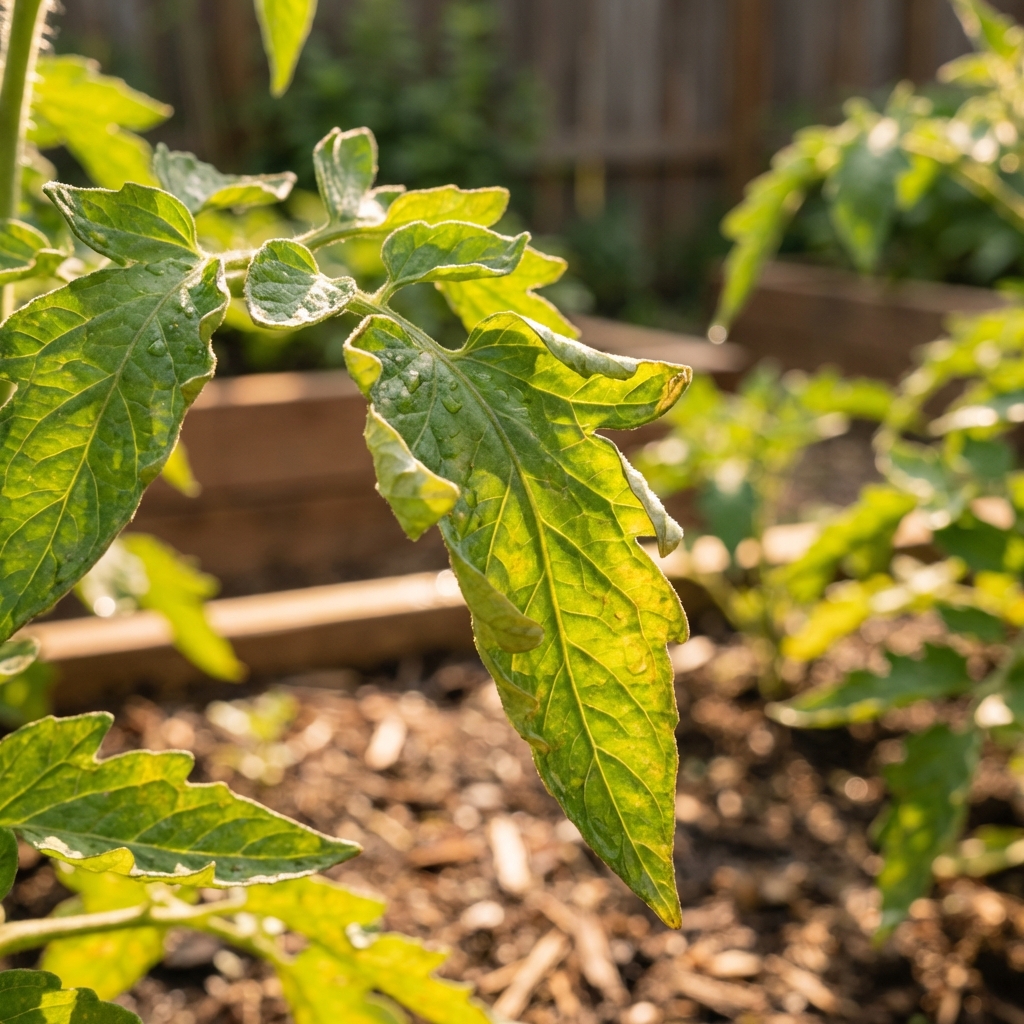
First, identify what kind of curl you are seeing
Leaf curl is a symptom, not a diagnosis. Use these quick cues to narrow it down.
Upward curl like a taco
- Most likely: heat stress, inconsistent watering, wind stress, or physiological leaf roll
- Often looks: older leaves curling up along the edges while the leaf stays green
Downward curl with thick, leathery leaves
- Most likely: overwatering, root stress, too much fertilizer, or early pest pressure
- Often looks: leaves feel stiff, overly lush, or “claw” downward
Twisted, deformed new growth
- Most likely: herbicide drift or exposure, mite damage, or a viral issue
- Often looks: new leaves are narrow, strap-like, cupped, or spiraled
Yellowing plus curl
- Most likely: watering or root issues, nutrient imbalance, or disease (including viruses)
- Often looks: curling paired with chlorosis (yellowing), mottling, spotting, or stunting
The most common causes and eco-friendly fixes
1) Heat stress and intense sun
Tomatoes can curl their leaves to reduce surface area and slow moisture loss. This is common during hot spells, especially when days jump into the 90s F and nights stay warm.
What you will notice: upward curl on older leaves, plant otherwise looks okay, curl is worse mid-afternoon and better in the morning.
Eco-friendly fix:
- Water deeply in the morning so roots are stocked up before the heat hits. A good target is to wet the soil 6 to 8 inches deep (check with your finger or a trowel).
- Mulch 2 to 3 inches with straw, shredded leaves, or untreated grass clippings (thin layers) to cool soil and slow evaporation.
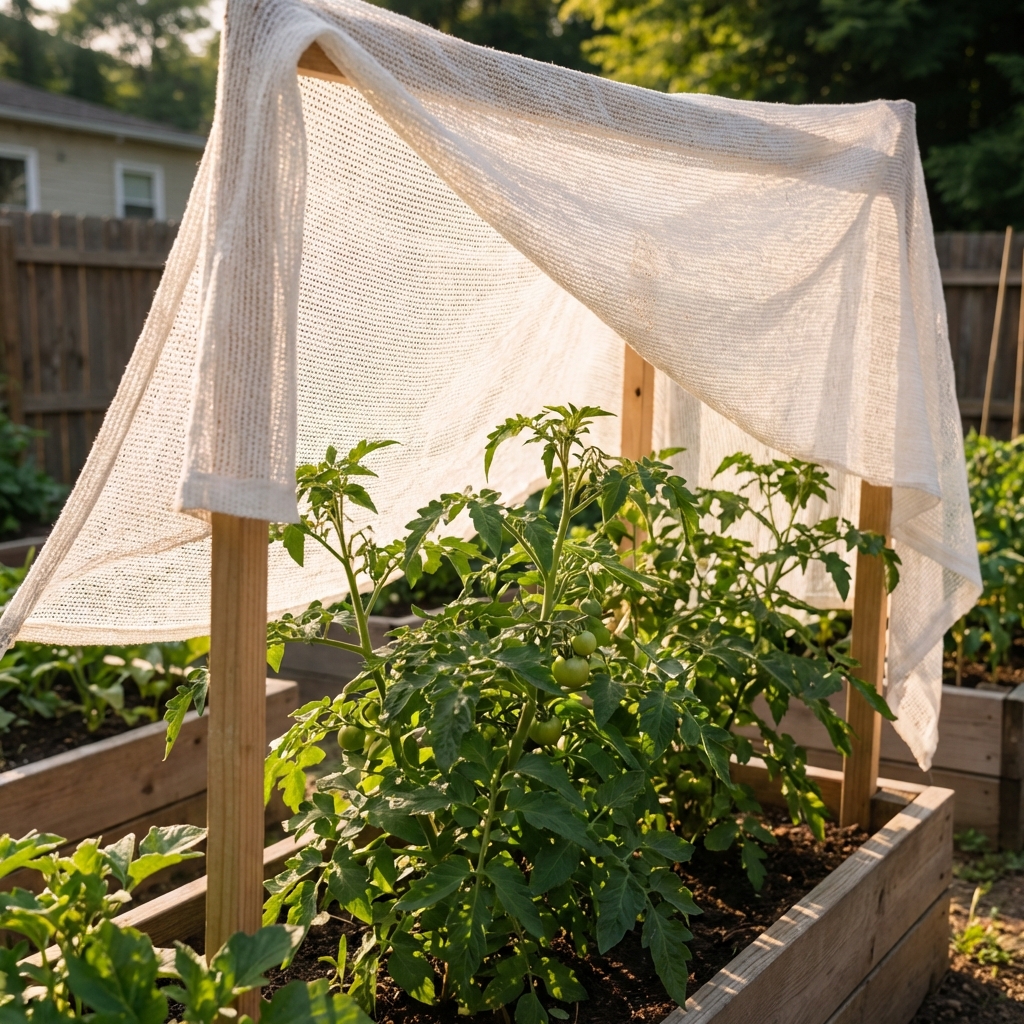
- Add temporary shade during extreme heat. A simple shade cloth, old sheer curtain, or row cover over hoops works. Aim for light shade, not darkness.
- Do not prune hard during heat waves. Leaves are sun protection for fruit.
2) Inconsistent watering (the classic backyard cause)
Tomatoes hate a cycle of dry soil followed by a big soak. That swing makes leaves curl and can also set you up for blossom end rot later.
What you will notice: leaves curl upward, soil alternates between very dry and very wet, plants may droop in heat then rebound at night.
Eco-friendly fix:
- Use the finger test: if the top 2 inches are dry, water. If it is still moist, wait.
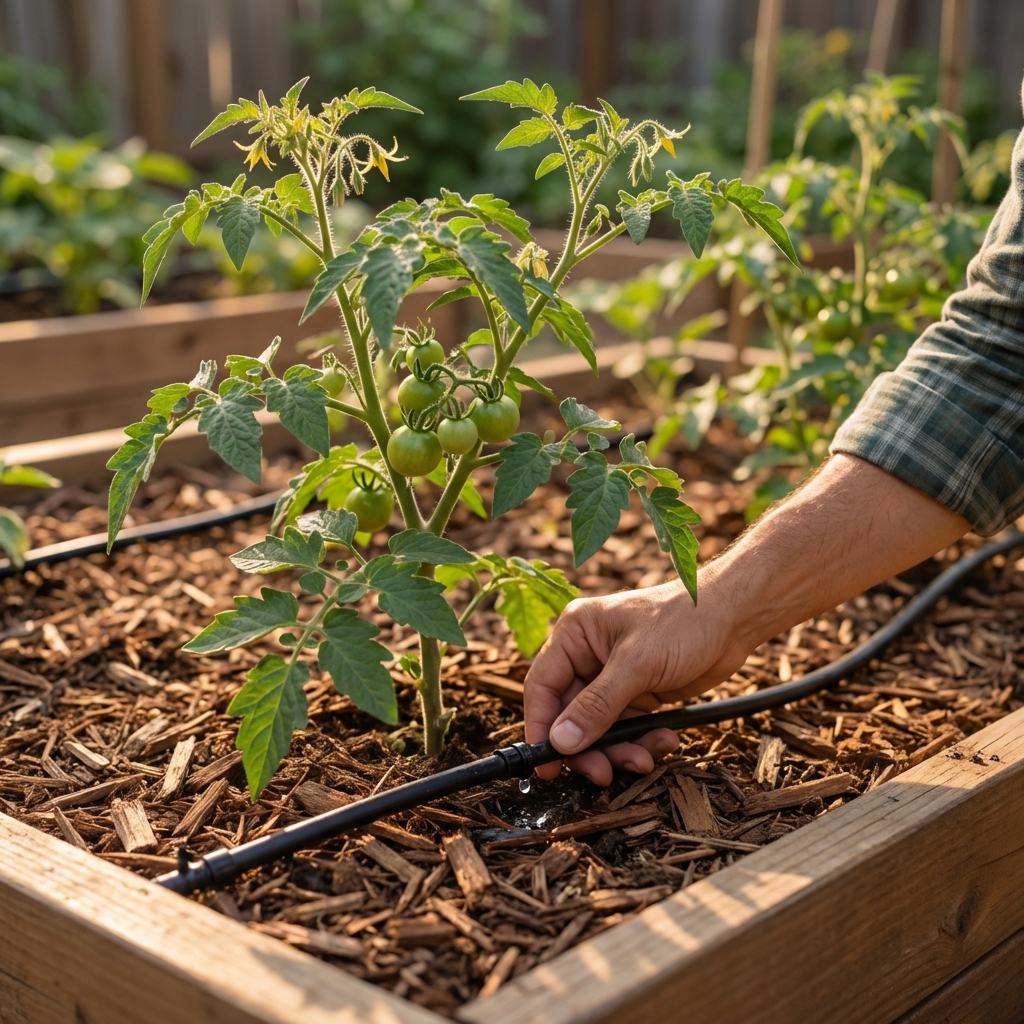
- Water slowly so moisture reaches deeper roots. Drip lines or a soaker hose are ideal.
- Water for depth, not minutes. Your goal is consistently moist soil several inches down, not a quick surface splash.
- Container tomatoes: expect to water more often and consider a larger pot with more soil volume.
3) Overwatering and poor drainage
Too much water can suffocate roots. When roots struggle, leaves can curl, yellow, and growth can stall.
What you will notice: downward curl, limp look that does not improve at night, soggy soil, fungus gnats in containers, or a musty smell.
Eco-friendly fix:
- Let the soil dry slightly before watering again.
- Check drainage: raised beds should not stay waterlogged. After heavy rain, most beds should drain down within several hours to a day. The concern is soil that stays saturated for multiple days.
- Containers: make sure there are open holes and you are using potting mix, not garden soil.
- Avoid “just in case” watering. Tomatoes prefer a deep drink, then breathing room.
4) Wind stress and transplant shock
Wind can dry leaves fast and make plants roll their leaves to conserve water. Newly transplanted tomatoes also curl while they adjust, especially if they were not hardened off long enough.
What you will notice: curling after a windy day, plants look otherwise healthy, stems may lean.
Eco-friendly fix:
- Use a windbreak like a piece of garden fabric, lattice, or a fence panel placed upwind.
- Stake or cage early to reduce stem stress.
- Water at the base and avoid overhead watering in windy conditions.
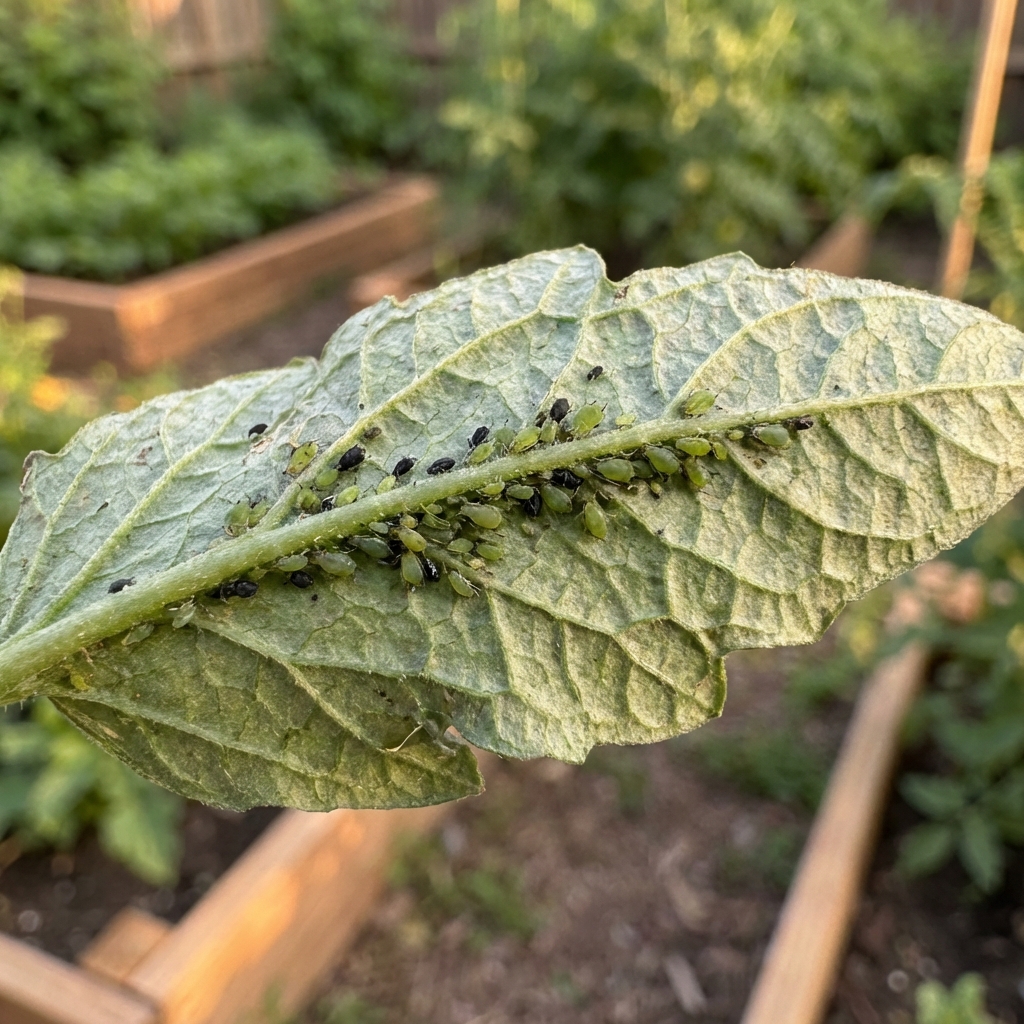
5) Pest issues (especially aphids, whiteflies, and mites)
When pests feed on sap, leaves can curl, pucker, and distort. This is especially true on tender new growth.
What you will notice: sticky residue (honeydew), ants farming aphids, tiny insects under leaves, stippling, bronzing, or webbing. For mites, damage is often worst on the newest growth.
Eco-friendly fix:
- Start with water: a strong spray under leaves knocks aphids and whiteflies down.
- Check leaf undersides closely: use a flashlight or your phone camera zoom. Russet mites are tiny and easy to miss. Broad mites can also be a culprit in warm climates or greenhouses.
- Remove the worst leaves if the infestation is concentrated, but do not strip the plant bare.
- Encourage beneficials: plant small-flowered herbs nearby (dill, cilantro allowed to flower, sweet alyssum).
- Use insecticidal soap or neem only if needed: follow the label, test-spray a small area first, and avoid spraying in high heat or full sun to reduce leaf burn. Coat leaf undersides where pests hide, and spray in the evening.
6) Herbicide drift or accidental exposure
This is one of the big ones that catches gardeners off guard. Drift can come from lawn treatments, weed killers used nearby, or even contaminated compost, manure, hay, or straw. Tomatoes are extremely sensitive to many broadleaf herbicides.
What you will notice: twisted new growth, curled and narrow leaves, distorted stems, odd fern-like foliage, damage is strongest on the newest growth.
Eco-friendly fix:
- Confirm exposure: ask neighbors about recent spraying, consider whether you used treated lawn clippings, or brought in unknown manure or hay.
- Do not apply more products. Focus on supportive care: steady watering, mulch, and patience.
- Remove the most distorted growth only if severe and the plant still has plenty of healthy leaves.
- If symptoms keep worsening: it may be best to remove the plant to avoid wasting weeks of the season.
Prevention tip: avoid using grass clippings unless you know the lawn has not been treated. Be cautious with straw, hay, manure, and compost sources too.
7) Too much fertilizer (especially nitrogen)
Overfeeding, especially with nitrogen-heavy fertilizer, pushes lush, fast growth and can delay flowering. Some plants will also show downward “clawing” or general curl when they are overstimulated or stressed.
What you will notice: very dark green foliage, thick stems, lots of leafy growth, fewer blossoms, and sometimes clawing or curled leaves.
Eco-friendly fix:
- Pause fertilizing for a couple of weeks.
- Switch to a tomato-focused fertilizer that is not nitrogen-heavy, or use compost lightly instead of strong feeds.
- Avoid overdoing manure in-season, especially fresh manure.
8) Viral diseases (often incurable)
Some viruses cause leaf curl, yellowing, and stunted growth. A common example is Tomato Yellow Leaf Curl Virus, which is typically spread by whiteflies. Unlike heat or watering stress, viral problems do not “bounce back” with better care.
What you will notice: strong upward curling and cupping of new leaves, yellowing between veins, severe stunting, fewer flowers and fruit, symptoms that keep getting worse even when watering is consistent. You may also see lots of whiteflies when you shake the plant.
What to do:
- Isolate your suspicion: check nearby tomatoes and peppers for similar symptoms.
- Control the vector: reduce whiteflies with a strong water spray, yellow sticky traps, and (if needed) insecticidal soap used carefully per label.
- Consider removal: if a plant is severely stunted with classic viral symptoms, it is often best to remove and discard it (do not compost) to reduce spread to other plants.
When curled leaves are not a big problem
Sometimes leaf curl is just a stress response called physiological leaf roll. The plant is basically saying, “I am managing water loss.” If your tomato is still growing, flowering, and setting fruit, you can often leave it alone and focus on steady care.
Green, curled older leaves + normal new growth usually points to manageable stress, not disease.
Also worth knowing: some varieties, especially vigorous indeterminate tomatoes, are more prone to leaf roll even when you are doing everything “right.”
Quick diagnostic checklist
- Weather: Did a heat wave or windy stretch hit this week?
- Watering: Is the top 2 inches bone dry or soggy? Is the soil moist 6 to 8 inches down after you water?
- New vs old leaves: Is the distortion mostly on new growth?
- Pests: Did you check under leaves with a flashlight?
- Recent inputs: New mulch, compost, manure, straw, hay, or grass clippings?
- Nearby spraying: Any lawn or driveway weed killer use close by?
Eco-friendly care tips that prevent most leaf curl
- Mulch early once soil warms to keep moisture consistent.
- Water at the base and aim for deep, less frequent watering instead of daily splashes.
- Keep plants supported with a cage or stake to reduce stress.
- Feed lightly once flowers appear. Avoid high-nitrogen fertilizer spikes.
- Scout weekly for pests under leaves. Early action is easy action.
- Grow for airflow by spacing plants well and pruning only as needed.
When to worry and what to do next
Take curling more seriously if you also see:
- rapidly worsening distortion of new leaves
- yellowing that spreads quickly
- stunted growth for 2 to 3 weeks
- mottled patterns, rings, or strange patchy discoloration
- lots of insects (especially whiteflies) that keep returning after rinsing
If you want a simple next step, do this: check moisture first, then check pests, then think about chemical exposure or viral disease. In real gardens, those cover most cases.
Image note for production: the image src fields are currently empty and need to be populated before publishing.

Jose Brito
I’m Jose Britto, the writer behind The Country Store Farm Website. I share practical, down-to-earth gardening advice for home growers—whether you’re starting your first raised bed, troubleshooting pests, improving soil, or figuring out what to plant next. My focus is simple: clear tips you can actually use, realistic expectations, and methods that work in real backyards (not just in perfect conditions). If you like straightforward guidance and learning as you go, you’re in the right place.