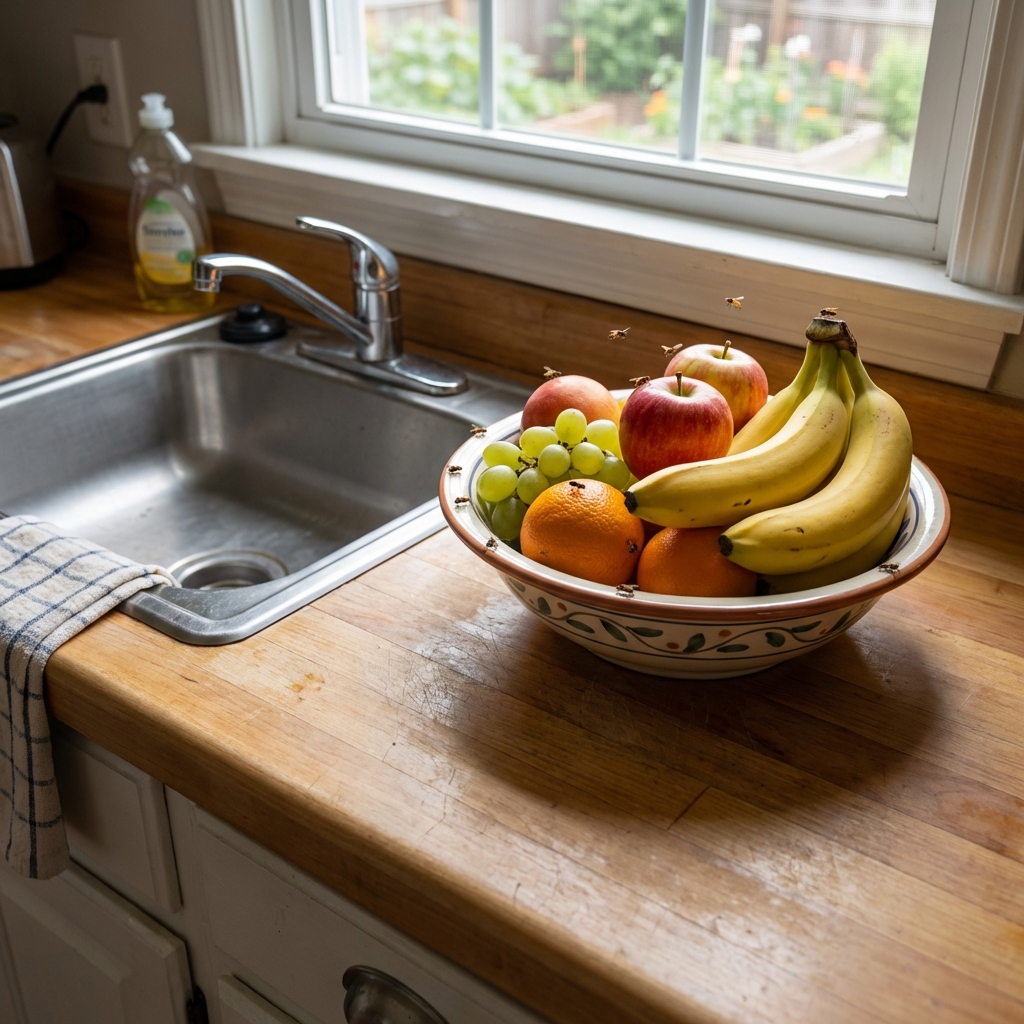
When you suddenly have a lot of flies in the house, it usually means one of a few common things: something inside is feeding them, breeding them, or inviting them in. The good news is you do not need to fog your home with chemicals to solve it. If you find the source and clean up the conditions that support flies, the problem usually drops fast.
Below is a practical, eco-friendly way to figure out why you have so many flies, which flies they are, and what to do today to get your home back under control.
First: coming in or breeding inside?
This quick check saves a lot of time.
Clues they are coming in from outside
- Most flies gather at windows, sliding doors, or light fixtures.
- You see more flies on warm afternoons and fewer at night.
- You recently had doors open for guests, deliveries, or moving stuff in and out.
- You have a dog door, torn screens, or gaps around doors.
Clues they are breeding inside
- Flies keep appearing even when doors and windows stay closed.
- You notice tiny flies near the sink, plants, or trash.
- There is a persistent odor, slow drain, or damp area that never fully dries.
- You recently found (or suspect) spoiled food, a dirty bin, or something dead in a wall or attic.
If you are in an apartment or multi-unit building: flies can come from shared walls, trash rooms, or plumbing chases. If your unit is clean but the flies persist, you may need building maintenance to check common areas and drains.
Identify the fly type
You do not need perfect ID. Just get close enough to know where to look.
Quick ID cheat sheet: fruit flies are tan with noticeable red eyes, fungus gnats look like tiny mosquitoes with long legs, drain flies look fuzzy and moth-like when resting.
House flies
What they look like: Medium size, gray, not fuzzy, often buzzing around windows.
What it usually means: Trash, pet waste, compost, or something rotting nearby. House flies are opportunists and will travel to find food.
Fruit flies
What they look like: Tiny, tan, slow fliers, often hovering around fruit, recycling, or sticky spills.
What it usually means: Fermenting sugars. Think overripe produce, juice residue, beer cans, wine bottles, or a sticky spot under the fridge.
Fungus gnats
What they look like: Tiny dark flies that hang around houseplants and potting soil.
What it usually means: Consistently moist soil and decomposing organic matter in the pot.
Drain flies
What they look like: Very small, often fuzzy, they rest on walls near sinks and drains.
What it usually means: Organic buildup in a drain or a hidden plumbing leak that keeps things damp.
Blow flies
What they look like: Larger, loud, sometimes metallic green or blue.
What it usually means: A strong food source like trash with meat, pet waste, or occasionally a dead rodent or bird in a wall, attic, chimney, or crawl space.
Cluster flies
What they look like: Similar to house flies but often a bit slower and more sluggish. They tend to gather at windows, especially in fall and winter.
What it usually means: They usually originate outdoors and move in to overwinter, commonly from attics, wall voids, or sunny siding.
Phorid flies
What they look like: Tiny, tan to dark, with a “hump-backed” look. They often run quickly on surfaces (scuttle) more than they fly.
What it usually means: Very decayed organic matter or a moisture issue, sometimes linked to drains, sewage seepage, or hidden leaks. If you suspect these, take plumbing smells and slow drains seriously.
Common reasons for lots of flies
This section is about where to look. The step-by-step fixes are right after.
1) Trash and recycling
Even if you take out the trash regularly, the bin itself can be the problem. Liquids at the bottom, a bag leak, or sticky residue in recycling is enough to support a lot of flies.
2) A hidden spill
Fruit juice under the fridge, soda in a cabinet, or a splash behind the trash can can keep fruit flies going for weeks.
3) Drain biofilm and damp plumbing areas
Drain flies commonly breed in organic buildup inside drains. Fruit flies can sometimes breed in gunk around drain-adjacent areas like a garbage disposal, sink overflow channel, or a seldom-cleaned film, especially if there is moisture and food residue.
4) Overripe produce
A single overripe banana, peach, or tomato can kick off a fruit fly cycle. Rotting produce, including onions if they are decomposing, can also contribute. Fruit flies lay eggs fast and develop quickly in warm kitchens.
5) Pet areas and litter boxes
Dog poop in the yard, a soiled puppy pad, or a litter box that is “almost time” can attract house flies. If you are seeing flies near a pet area, trust that signal.
6) Houseplants that stay wet
Fungus gnats thrive when the top layer of potting mix stays damp. They are common in winter when plants are indoors and airflow is lower.
7) Something dead in a hidden spot
If you have lots of bigger flies (often blow flies) and they keep showing up in one room, you may be dealing with a dead mouse, bird, or similar source. It happens more often than people think, especially after traps or seasonal weather swings.
8) Forgotten wet items
Mop buckets, wet sponges, damp rags, and even the area under a pet water bowl can keep smells and moisture around long enough to attract and support small fly problems.
Eco-friendly fixes that work
If you do these in order, you will usually notice fewer adult flies within 1 to 3 days. Full resolution can take 1 to 2 weeks depending on the fly type, life cycle, and whether any hidden breeding sites are still active.
Step 1: Remove the source
- Take out trash and compost. Clean the can, not just the bag.
- Clean recycling. Especially beer, soda, kombucha, wine bottles.
- Wipe sticky spots: under appliances, inside cabinets, around pet bowls.
- Pick up pet waste daily if possible.
- Remove overripe produce from counters and wipe the area underneath.
Step 2: Stop breeding in drains
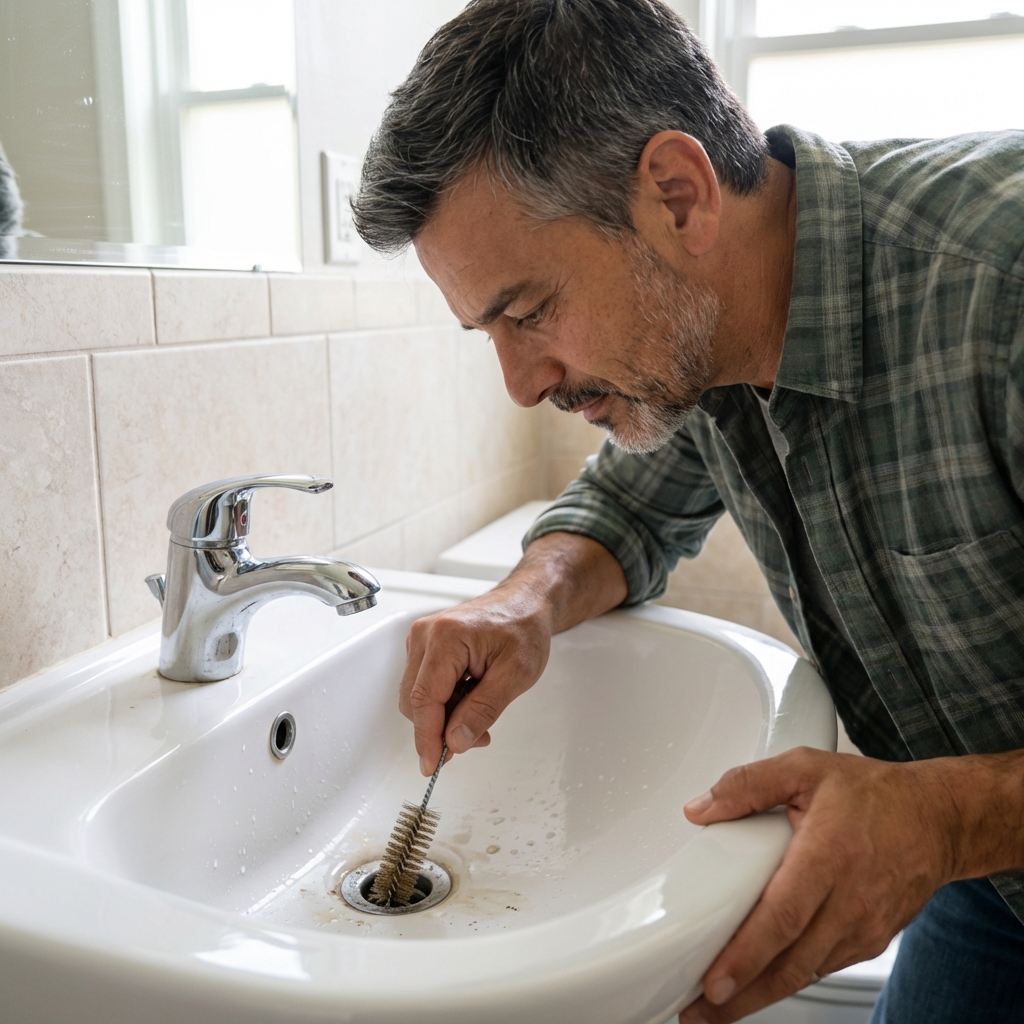
Skip the harsh drain chemicals if you can. The most effective eco method is mechanical cleaning plus very hot water.
- Brush: Use a small drain brush (or an old bottle brush) to scrub inside the drain and just under the lip.
- Overflow: If your sink has an overflow hole, clean that channel too. It can hold gunk and moisture.
- Disposal: If you have a garbage disposal, scrub the rubber splash guard and the inner rim where slime builds up.
- Flush: Pour very hot water down the drain. Hot tap water is usually enough. Avoid rapidly pouring boiling water, especially if you have PVC piping or older joints.
- Repeat: Do it daily for 3 to 5 days if you are seeing drain flies.
Optional: After brushing, you can use a small amount of dish soap and hot water to help lift greasy buildup.
Step 3: Use traps to catch the adults
Traps help because adult flies can keep annoying you even after you remove the breeding site. You can buy traps, but a simple DIY is often enough.
For fruit flies (simple jar trap)
- Add 1 to 2 inches of apple cider vinegar to a jar.
- Add a drop of dish soap (breaks surface tension so they sink).
- Cover with paper and poke a few small holes, or leave it open if you have no pets or curious kids.
For house flies
- Best eco option: Fly paper strips placed near windows or where they gather.
- Also effective: A plug-in UV trap can help indoors, especially at night, but it does not replace cleanup.
- Safety note: Place sticky strips where kids and pets cannot reach them.
Step 4: Block entry points
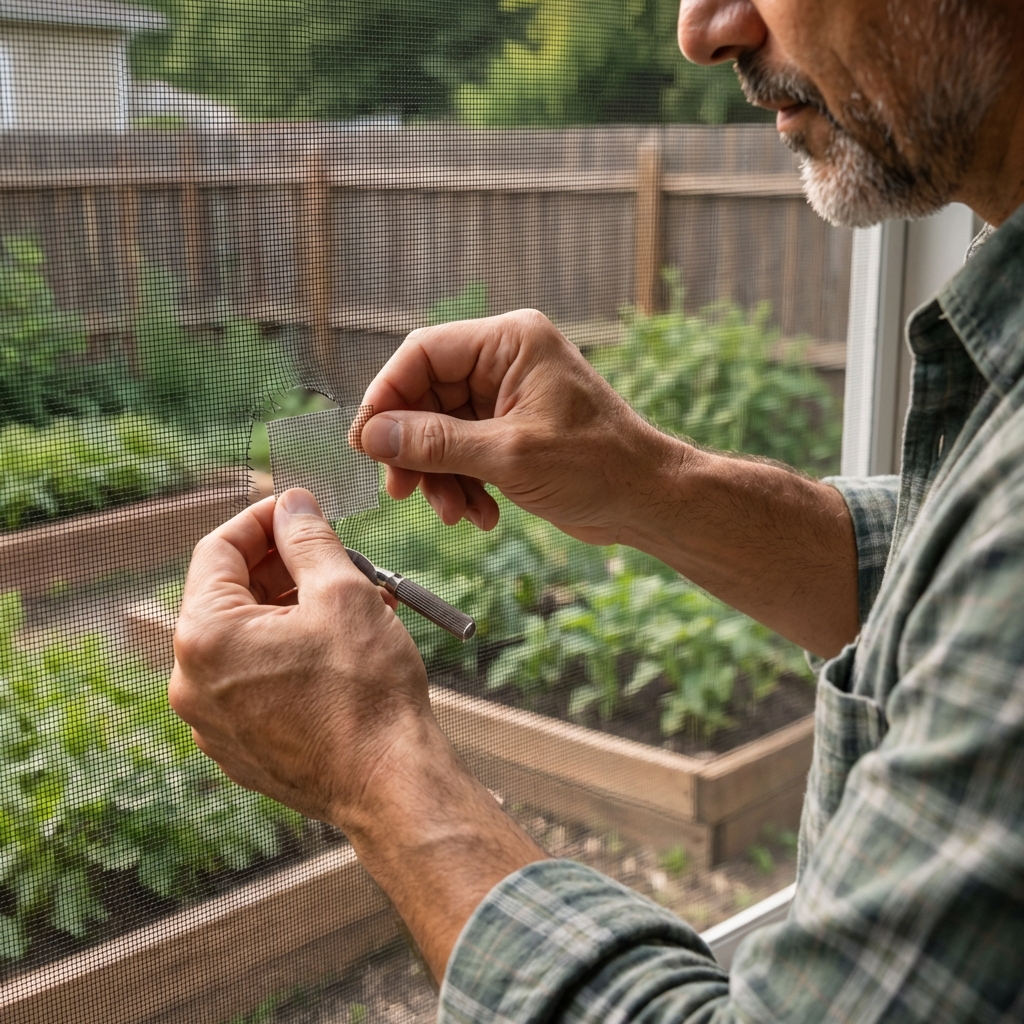
- Repair torn window screens and check screen frames for gaps.
- Add a door sweep if you can see light under an exterior door.
- Keep doors closed during the worst fly times (often late afternoon).
- If you compost, place it away from doors and keep it covered.
Step 5: Reduce attraction indoors
- Do not leave dirty dishes overnight during an outbreak.
- Store ripe fruit in the fridge.
- Keep counters dry. Moisture helps many pests hang around.
- Run a fan in problem areas. A steady breeze can make it harder for flies to land and linger.
Fixes for specific fly problems
If you have fruit flies
- Remove all produce from the counter for 3 to 4 days (store it in the fridge).
- Clean under the fruit bowl and the area around it.
- Empty and rinse recycling daily during the outbreak.
- Check hidden spots: under the fridge, under the trash can, and any sticky bottle return area.
- Run 2 to 3 jar traps at once: near fruit area, trash, and sink.
If you have fungus gnats in houseplants
- Let the top 1 to 2 inches of soil dry before watering again.
- Bottom-water when possible to keep the surface drier.
- Use yellow sticky traps near the soil to catch adults.
- Check for standing water in saucers and dump it.
If you have drain flies
- Brush and flush drains daily for several days.
- Clean the sink overflow channel and garbage disposal if you have them.
- Check for plumbing leaks under sinks and around toilets.
- Do not forget less-used drains: basement floor drain, guest bath, laundry sink.
If you have big blow flies
- Search for the source: trash, compost, garage cans, pet waste.
- If the flies are concentrated in one room and persist, consider a hidden source in a wall, attic, chimney, or crawl space.
- Use fly paper near windows to reduce adults while you investigate.
If you have cluster flies
- Focus on exclusion: screens, attic vents, and sealing gaps around windows.
- Vacuum them up and empty the vacuum outdoors.
- They usually do not indicate a dirty home. They are often seasonal invaders.
If you suspect phorid flies
- Double-check drains, overflow channels, and any areas with persistent moisture.
- If there is a sewage smell, recurring wet spot, or drain flies persist, consider calling maintenance or a plumber to rule out a leak or broken line.
When to call for help
Most fly issues are solvable with cleanup and exclusion. But consider calling a professional or maintenance support if:
- You suspect a dead animal in a wall or attic and cannot locate it.
- Drain flies persist after a week of brushing and flushing, which may point to a broken line or hidden leak.
- You live in a multi-unit building and think the source is not in your unit (flies can travel through shared walls and chases).
- You suspect phorid flies and there are signs of plumbing or sewer issues.
Quick checklist: 24-hour knockdown
- Take out trash and compost, then wash the bins.
- Rinse recycling and remove bottles and cans from the counter.
- Put ripe fruit in the fridge.
- Scrub and flush kitchen and bathroom drains (use very hot, not boiling, water).
- Set 2 jar traps for fruit flies or hang fly strips for house flies (out of reach of kids and pets).
- Close gaps and repair screens.
If you do those steps and still have a heavy fly problem after several days, your next move is to narrow down the fly type and look for a hidden moisture or rot source that is easy to miss.
Common questions
Why are there suddenly so many flies in my house?
Usually because conditions shifted in your favor: warmer weather, a new food source (trash, fruit, recycling), extra moisture (drains, leaks), or a breeding site (plants, dirty bin). “Sudden” often means the eggs and larvae were already there and finally developed.
Do vinegar traps get rid of flies completely?
They help a lot with fruit flies, but they are not the whole solution. If you do not remove the breeding source, traps just catch the ones that wander in.
What is the most eco-friendly way to stop flies?
Source removal, drain cleaning, and blocking entry points. Traps are useful support. Sprays are usually the least important piece, and many do not solve the cause.

Jose Brito
I’m Jose Britto, the writer behind The Country Store Farm Website. I share practical, down-to-earth gardening advice for home growers—whether you’re starting your first raised bed, troubleshooting pests, improving soil, or figuring out what to plant next. My focus is simple: clear tips you can actually use, realistic expectations, and methods that work in real backyards (not just in perfect conditions). If you like straightforward guidance and learning as you go, you’re in the right place.