Hydrangeas are famous for big, showy blooms. So when yours turns into a leafy green shrub with zero flowers, it is frustrating. The good news is most “no bloom” problems come from a short list of causes: pruning at the wrong time, not enough sun, winter damage, too much nitrogen, or a variety that is not a good fit for your climate.
This guide helps you diagnose the issue quickly and pick the fix that gives you the best shot at blooms next season.
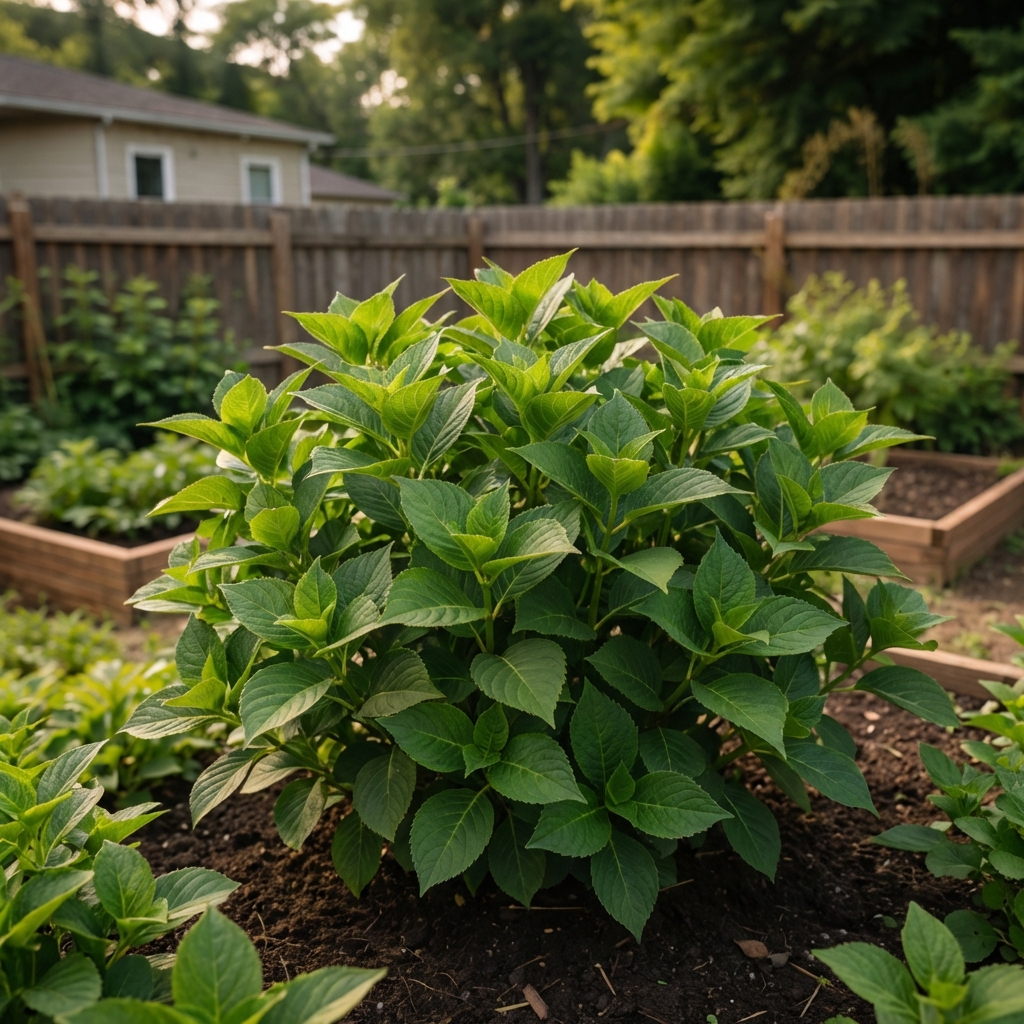
First: what kind of hydrangea do you have?
Before you change anything, identify the type. The biggest bloom issue by far is pruning a plant that blooms on old wood (last year’s stems). If you cut those stems off at the wrong time, you cut off this year’s flowers.
Quick ID clues (no botany degree needed)
- Bigleaf hydrangea (Hydrangea macrophylla): classic mophead or lacecap flowers, often blue or pink. Leaves are large and glossy. Very common in foundation plantings.
- Mountain hydrangea (Hydrangea serrata): similar to bigleaf but usually smaller leaves and a more delicate look.
- Panicle hydrangea (Hydrangea paniculata): cone-shaped blooms (white to pink). More sun tolerant. Often sold as ‘Limelight’, ‘Little Lime’, ‘Pinky Winky’.
- Smooth hydrangea (Hydrangea arborescens): big white “snowball” blooms like ‘Annabelle’ or ‘Incrediball’.
- Oakleaf hydrangea (Hydrangea quercifolia): leaves look like oak leaves, with cone-shaped blooms. Great fall color.
Rule of thumb: Panicle and smooth hydrangeas bloom on new wood (current season growth). Bigleaf and oakleaf often bloom on old wood. Some bigleaf types are “reblooming” (also called remontant) and can bloom on both, but they still suffer if buds get winter-killed.
The most common reasons hydrangeas don’t bloom
1) Pruned at the wrong time
This is the classic. If you have a bigleaf or oakleaf hydrangea and you prune in late fall, winter, or early spring, you can remove the flower buds that formed last summer.
- Bigleaf and oakleaf: prune right after flowering, if you prune at all.
- Panicle and smooth: can be pruned in late winter or early spring because they flower on new growth.
What to do now: If you already pruned and there are no buds, there is no quick fix for this season. Focus on letting the plant grow and set buds for next year. Mark your calendar to prune at the correct time.
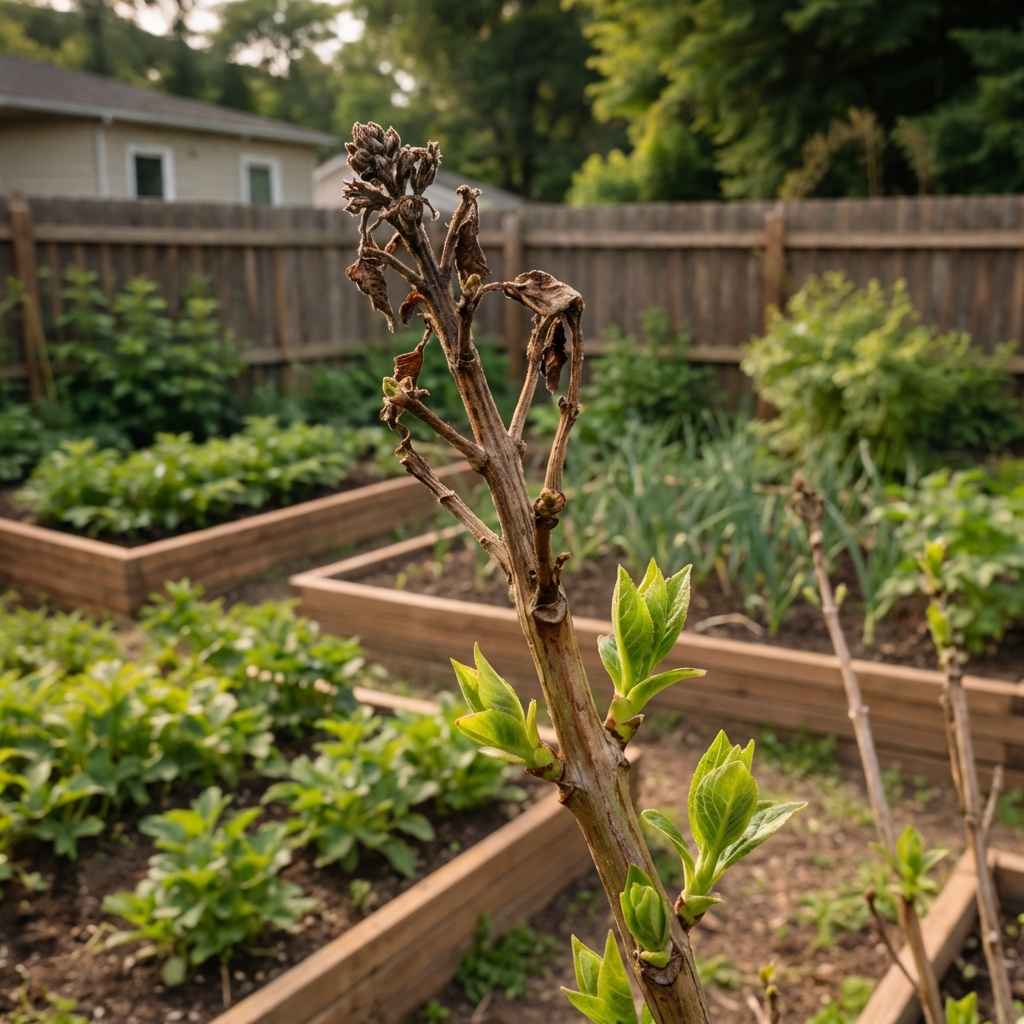
2) Winter damage killed the flower buds
Even if you never touch pruners, bigleaf hydrangeas can lose buds in a cold snap, drying winter winds, or late spring frost. You will see healthy leaves (from lower or protected buds) but no flowers.
Clues: Stems look dry or blackened at tips in spring, or die back to the base. The plant leafs out late or unevenly.
- In colder zones, choose a more cold-hardy variety or a reblooming type.
- Plant in a protected spot: out of wind, not in a harsh corner.
- Add 2 to 4 inches of mulch after the ground freezes to reduce freeze-thaw stress.
- A simple burlap windbreak can help in exposed sites.
3) Not enough sun
Hydrangeas can be confusing because they like moisture and can wilt in heat, but many still need solid light to bloom. Too much shade often equals lots of leaves and few flowers.
- Bigleaf and mountain: aim for morning sun with afternoon shade.
- Panicle: can handle more sun and often blooms best with 6+ hours.
- Oakleaf: tolerates shade better than bigleaf, but still blooms more with some sun.
Backyard reality check: “Full sun” on the plant tag is not always full sun in your yard. Track sunlight for a day in summer, not spring when trees are still leafing out.
4) Too much nitrogen fertilizer
Nitrogen pushes leafy growth. If your hydrangea is deep green and growing like crazy but not blooming, high nitrogen is a prime suspect. This can come from lawn fertilizer drifting into the bed, fresh manure, or a high-nitrogen general feed.
- Stop fertilizing with high nitrogen products.
- If you fertilize at all, use a balanced slow-release fertilizer in spring, or compost in moderation.
- Keep lawn fertilizer away from the dripline of the shrub.
5) Drought stress at the wrong time
Hydrangeas can survive dry spells, but flowering suffers when the plant is stressed during bud set and bloom development. Bigleaf types especially like consistent moisture.
- Water deeply, not daily sprinkles. Aim for the root zone to get soaked.
- Mulch helps more than people think. It reduces temperature swings and water loss.
- In containers, they can dry out fast. Pots may need water every day in hot weather.
6) Deer, rabbits, or trimmers hit the stems
Wildlife and yard tools can quietly erase flowers. On old-wood bloomers, damage to the very tips of stems can remove the buds. Weed trimmers can also injure stems and reduce flowering.
- Rabbits or rodents: often leave clean, angled cuts on tender stems.
- Deer: tend to tear or rip growth, leaving ragged edges.
- Use a fence or repellents during spring growth and bud formation.
- Keep a wide mulch ring so you are not trimming right up against stems.
7) The plant is too young or recently transplanted
Newly planted hydrangeas often spend a season or two building roots before they bloom well. Transplanting can also reduce blooms temporarily.
What to do: Keep care steady, avoid heavy pruning, and focus on consistent watering for the first year. Most bounce back once established.
A fast troubleshooting checklist
If you want the quickest path to an answer, run through these in order:
- Do you know the type? If it is bigleaf or oakleaf, assume old-wood blooming unless proven otherwise.
- Did you prune after late summer? If yes, that can remove buds.
- Did the stems die back over winter? If yes, buds likely died too.
- How many hours of sun in June and July? Under 3 to 4 hours often means weak blooming.
- Any lawn fertilizer nearby? High nitrogen often causes leafy growth without flowers.
- Was it dry last summer? Buds for many hydrangeas form the previous season.
- Any browsing or stem damage? Tip damage matters, especially on old-wood bloomers.
Fixes by hydrangea type
Bigleaf and mountain hydrangeas (macrophylla, serrata)
- Pruning: only prune right after flowering. If you missed that window, wait.
- Winter protection: mulch, wind protection, and consider a sheltered microclimate.
- Light: more morning sun often equals more blooms.
- Variety choice: in colder areas, pick cold-hardy or reblooming cultivars.
Panicle hydrangeas (paniculata)
- Pruning: late winter or early spring is fine. Remove weak stems and shape for airflow.
- Light: give it sun. These are your best bet for reliable blooms.
- Fertilizer: go easy. Too much can reduce flowering.
Smooth hydrangeas (arborescens)
- Pruning: can be cut back in late winter or early spring. Leaving 12 to 24 inches can reduce flopping for some gardens.
- Support: if heavy blooms flop, use a simple support ring early in the season.
Oakleaf hydrangeas (quercifolia)
- Pruning: minimal. If needed, prune right after bloom.
- Site: morning sun with some shade is usually ideal.
- Patience: oakleaf can be slow to settle in after planting.
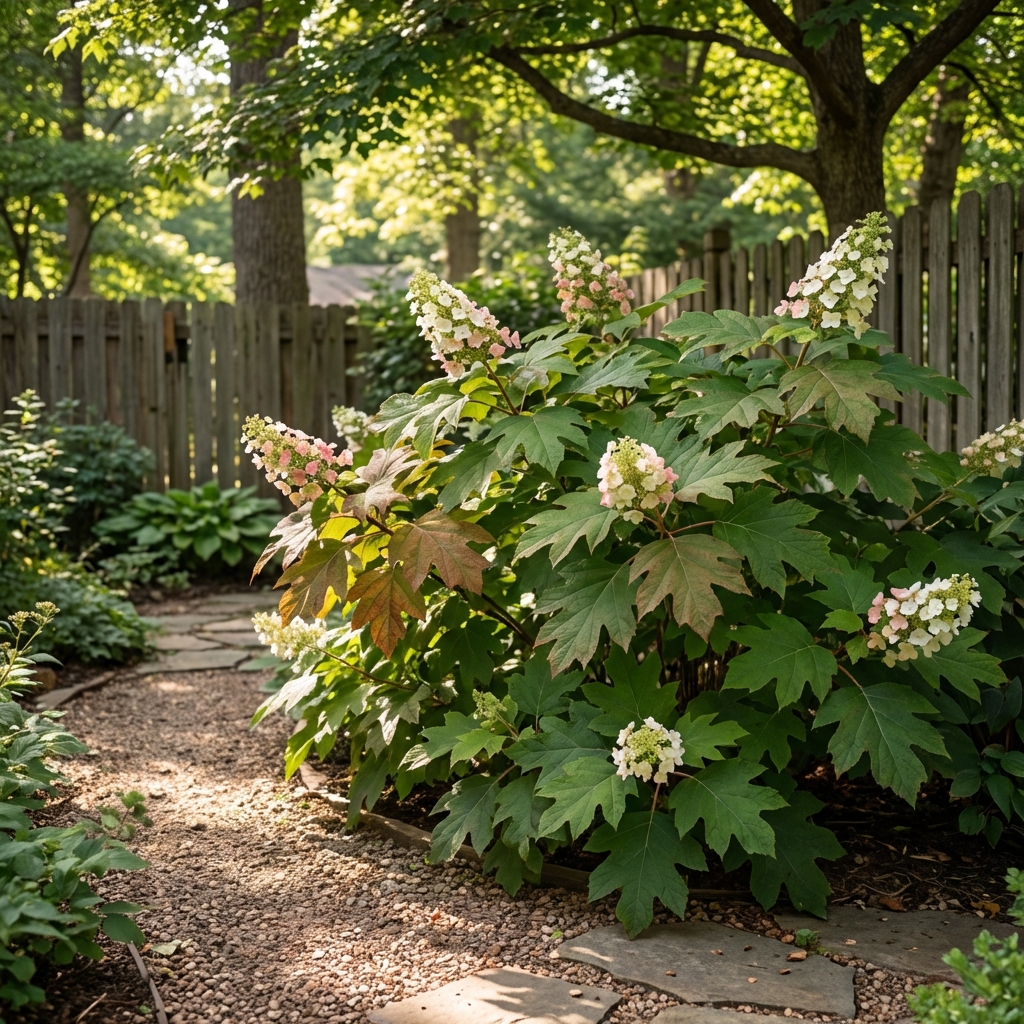
When will it bloom again?
That depends on the cause.
- Wrong-time pruning on an old-wood bloomer: often means no blooms until next year.
- Winter bud kill: some reblooming types may flower later in summer, but many will wait until next season.
- Too much shade or too much nitrogen: you may see improvement the same season if corrected early, but full recovery often takes a year.
- New plant: expect better blooms in year two or three.
Common questions
Should I deadhead hydrangeas to get more blooms?
Deadheading can tidy the plant and sometimes encourages repeat bloom on reblooming varieties, but it will not fix the main reasons hydrangeas fail to bloom. If you deadhead, do it lightly and avoid cutting into woody stems on old-wood types.
My hydrangea blooms green or small. Is that the same problem?
Not always. Small blooms can come from too much shade, drought stress, heavy pruning, or the plant being young. Green blooms can be normal for some cultivars or a sign flowers are aging.
Do coffee grounds help hydrangeas bloom?
Coffee grounds are not a reliable bloom fix. In small amounts they can add organic matter, but the bigger drivers are light, pruning timing, and avoiding excess nitrogen.
Simple plan for better blooms next season
- Identify your hydrangea type and match pruning to it.
- Give it the right light, especially morning sun for bigleaf types.
- Keep water consistent during summer growth and bud set.
- Go easy on fertilizer, and watch out for lawn feed.
- Protect old-wood buds in winter if you are in a colder or windy spot.
If you are still stuck, take a few photos (whole plant, leaves, and stems) and bring them to a local garden center, or contact your county extension office. They can usually help you ID the type and pinpoint the most likely reason for the no-bloom year.

Jose Brito
I’m Jose Britto, the writer behind The Country Store Farm Website. I share practical, down-to-earth gardening advice for home growers—whether you’re starting your first raised bed, troubleshooting pests, improving soil, or figuring out what to plant next. My focus is simple: clear tips you can actually use, realistic expectations, and methods that work in real backyards (not just in perfect conditions). If you like straightforward guidance and learning as you go, you’re in the right place.