Groundhogs can turn a thriving garden into a salad bar fast. When you are desperate, mothballs get suggested a lot because they smell strong and seem like they should “chase” animals away.
Here is the plain truth: mothballs are not a safe or reliable way to keep groundhogs away. Outdoors, they rarely stay concentrated enough to repel a determined groundhog, and the chemicals can contaminate soil and pose risks to pets, kids, and non-target wildlife.
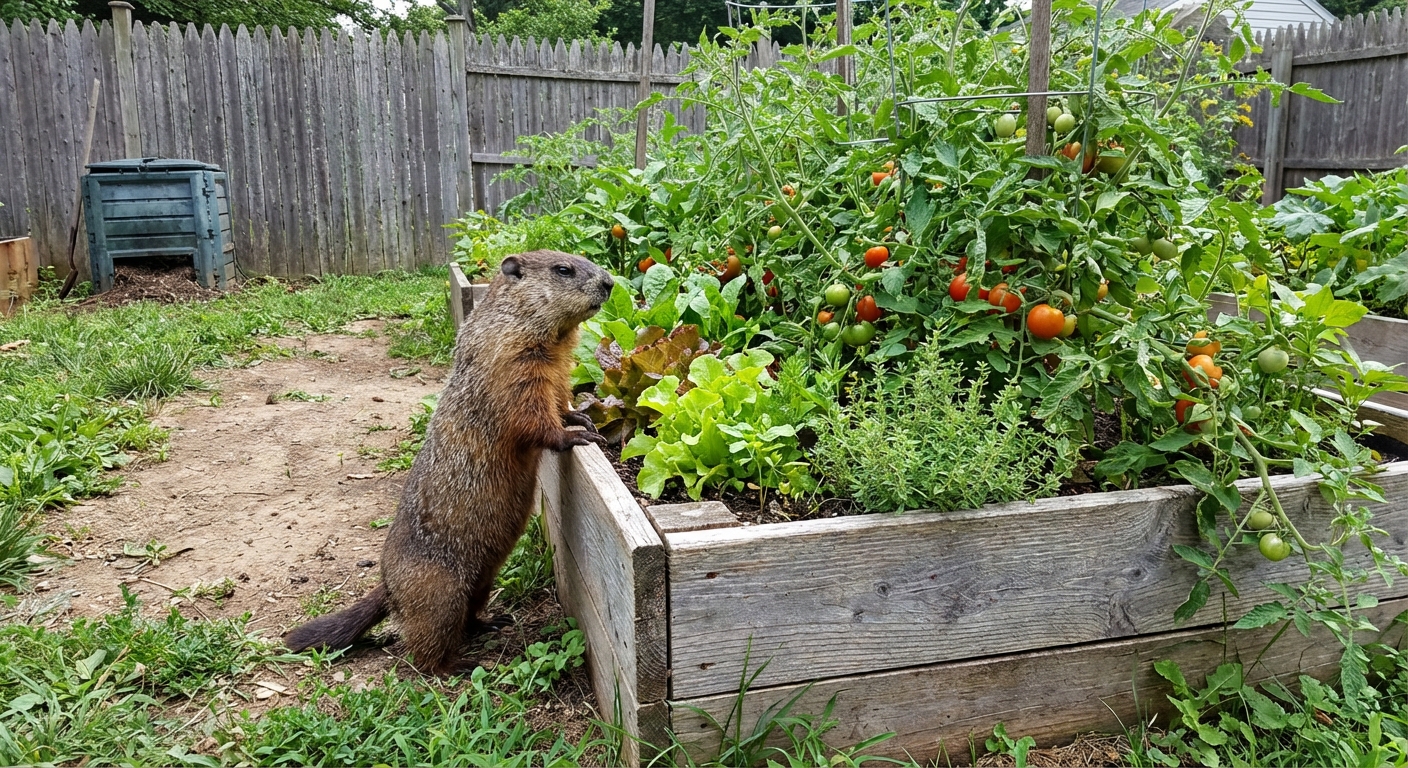
Before you start: confirm it is a groundhog
It is worth a quick check, because the best fix depends on the animal.
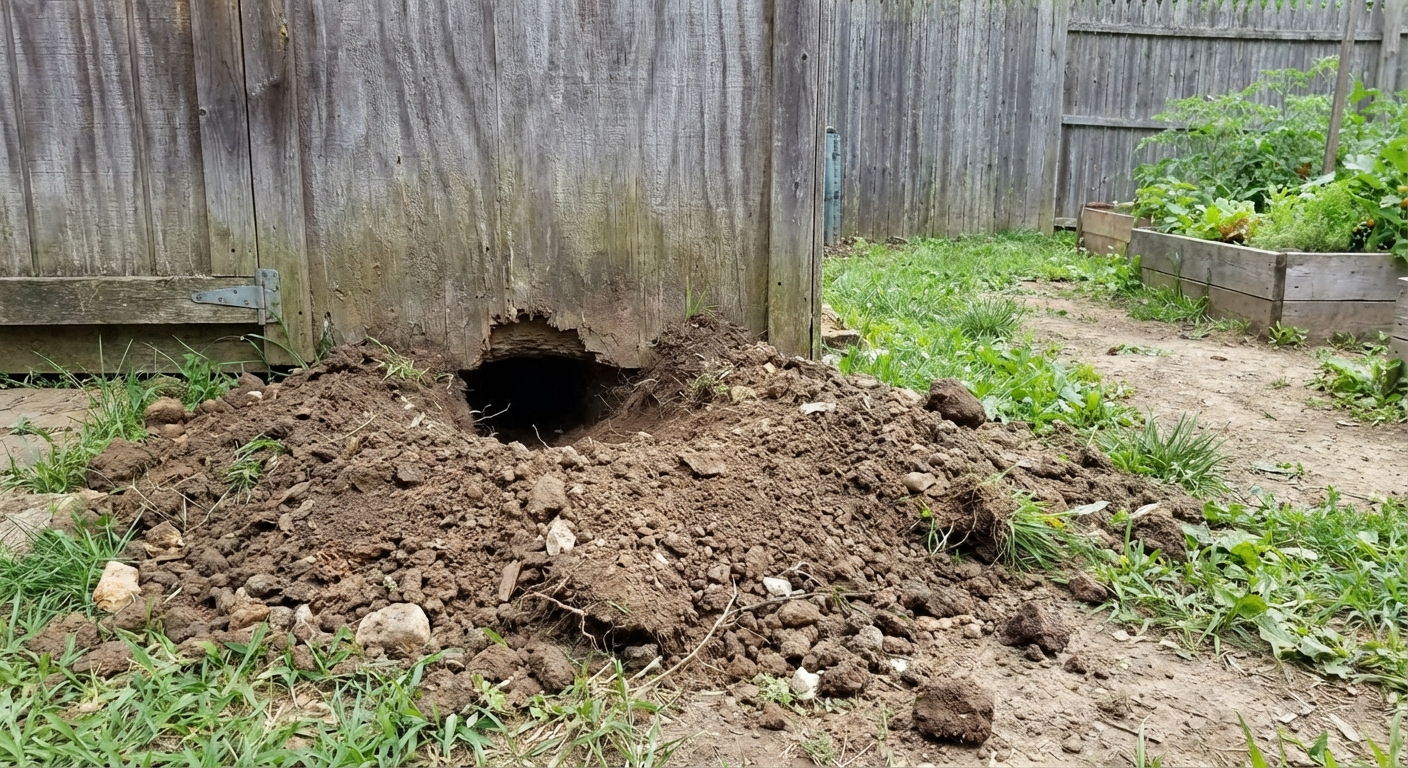
- Burrow size: Groundhog holes are typically 10 to 12 inches wide, often with a mound of fresh soil nearby.
- Damage pattern: Clean bites on low plants like beans, peas, lettuce, clover, and seedlings, plus “cropped” patches near cover.
- Location: Dens are often under sheds, decks, brush piles, or along foundation edges.
Why mothballs are a bad groundhog repellent
Most mothballs contain naphthalene or paradichlorobenzene. These are pesticides designed for sealed containers and closets, not open air.
They do not work well outside
- They dissipate quickly in wind and rain, so the odor does not stay strong where you need it.
- Groundhogs are motivated. If there is clover, peas, beans, lettuce, or tender shoots nearby, many will tolerate a bad smell.
- They do not solve the real issue, which is access. If the animal can keep entering the garden, it will keep testing your defenses.
They can be dangerous and may be illegal to use this way
Always follow the label. In the U.S., using a pesticide in a manner inconsistent with its labeling can violate federal law (FIFRA). Mothball labels typically limit use to enclosed spaces, so using them outdoors, in gardens, or in burrows is commonly prohibited.
- Pets can eat them or bat them around, then lick residues.
- Kids can pick them up because they look like candy or “little balls.”
- Wildlife can be harmed, including beneficial animals that are not your problem.
- Residues near edible crops can contaminate soil and increase risk to non-target organisms.
If you are trying to garden more naturally, mothballs are the opposite direction.
What actually works (organic, realistic options)
Groundhog control is usually a mix of blocking access, making the area less comfortable, and protecting your most tempting plants. Here are the methods that hold up in real backyards.
1) Install the right fence (most reliable)
If you want the lowest-maintenance solution long-term, fencing is it. Not the prettiest answer, but it is the one that stops repeat damage.
- Use small mesh: 1 x 2 inch welded wire or 1/2 inch to 1 inch hardware cloth is ideal for groundhogs.
- About 2 x 4 inch openings can be borderline. If you use larger mesh for a big perimeter fence, consider doubling it at the bottom or lining the lower 18 to 24 inches with smaller mesh.
- Fence height: at least 3 to 4 feet.
- Bury the bottom 10 to 12 inches or pin it down and create an L-shaped apron that extends outward 12 to 18 inches to stop digging.
- If climbing is an issue, add a simple floppy top extension.
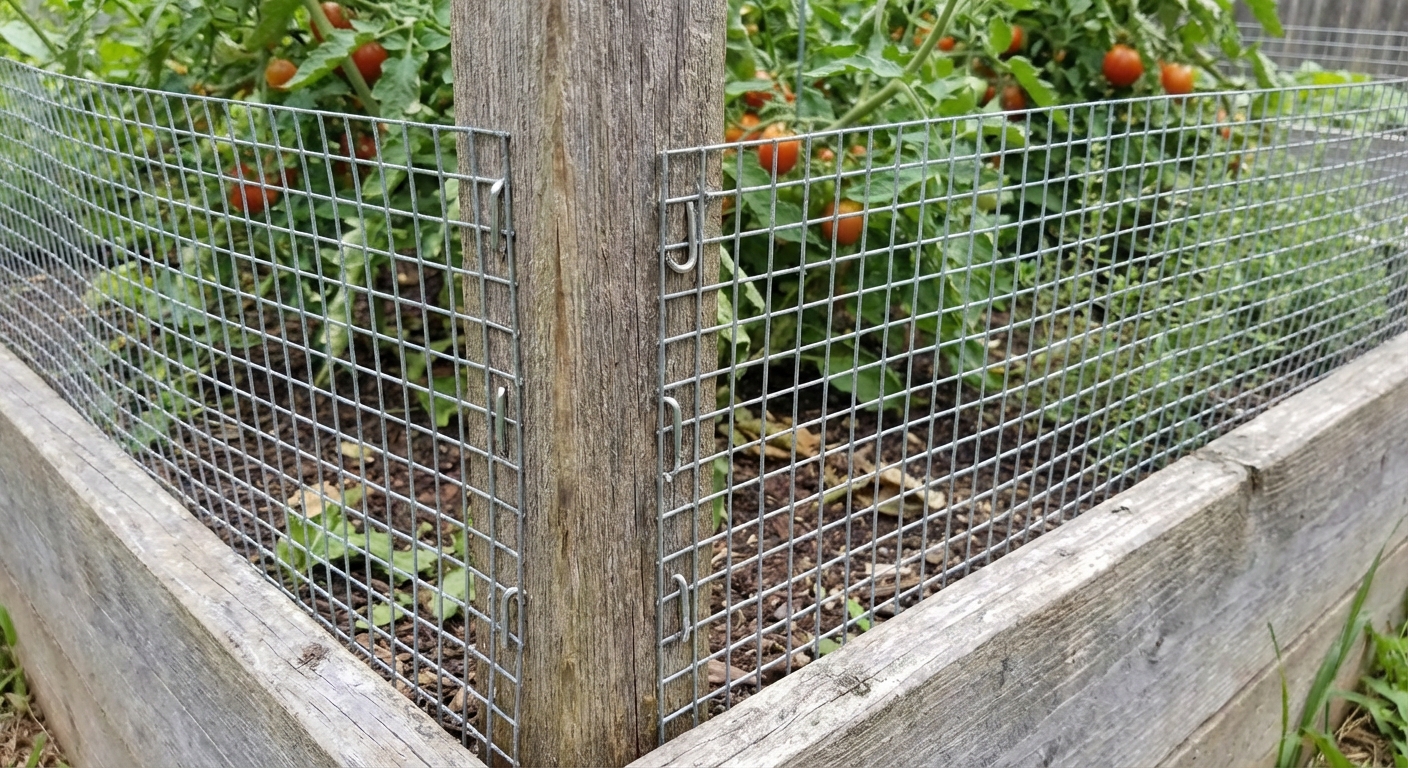
2) Protect raised beds
Groundhogs are diggers. If they can get under or through, they will.
- Line the bottom of raised beds with hardware cloth before filling with soil.
- For in-ground beds, consider a perimeter trench with buried wire where they keep entering.
3) Block burrows the right way (only after you confirm inactivity)
If the groundhog is living on your property, you will keep seeing damage until the den situation changes.
Important: Do not plug an active burrow with an animal inside. You can create a welfare issue and still end up with a new hole somewhere else.
- Groundhog dens can have multiple entrances. Identify and check them all.
- Confirm activity by loosely stuffing each entrance with leaves or crumpled paper and checking if it gets pushed out within 24 hours.
- To be safer, check for 2 to 3 days and consider weather and time of day before deciding it is inactive.
- Once you are confident it is inactive, fill with gravel and soil and tamp it down.
- Finish by installing an L-shaped wire apron over the spot to prevent re-digging.
4) Use scent deterrents carefully (helpful, not magic)
Scent deterrents can help buy time, especially while you are working on fencing. They tend to work best with frequent reapplication and rotation so the groundhog does not get used to one smell.
- Castor oil-based repellents (granules or sprays) are a common, garden-friendly option. Apply per label, especially after rain.
- Hot pepper products: Use only products labeled for garden use, and follow label directions. Avoid spraying edible portions unless the label says it is allowed.
- Predator scent (like commercially sold fox or coyote urine) sometimes helps near entry paths, but it is inconsistent and needs reapplication.
Skip toxic or improvised “repellents.” Antifreeze is poison and should never be used for wildlife control. Ammonia and other harsh chemicals can also be hazardous and are not a reliable fix.
5) Remove what makes your yard groundhog-friendly
This is the unglamorous part, but it matters. Groundhogs like cover and easy meals.
- Mow tall grass and weeds along fence lines.
- Clear brush piles, boards, and junky hideouts.
- Fence off compost piles if they contain food scraps.
- Close gaps under sheds and decks using buried wire with an outward apron.
6) Quick plant protection
If you need immediate relief while you build a fence, focus on the plants they love most.
- Use temporary row covers or netting over vulnerable beds.
- Protect seedlings with wire cloches or a simple hoop-and-mesh cover.
Low-maintenance plan
If you want the most results with the least ongoing hassle, do this in order:
- Protect the garden first with a real barrier fence or bed protection.
- Use a castor oil repellent for 2 to 3 weeks while the fence becomes the new normal.
- Reduce cover around the garden edge and likely travel routes.
- Check weekly for new digging and repair immediately. Small gaps become highways fast.
This combo is what I see succeed in regular backyards because it does not rely on a single gimmick.
What about traps and relocation?
Live trapping can work, but it comes with two big realities: it is time-consuming, and it is often regulated. Many areas have rules about relocation due to disease risk and animal welfare.
- Check local wildlife regulations before trapping or relocating.
- If allowed, use a properly sized live trap and follow best practices for shade, frequent checks, and humane handling.
- Even if you remove one groundhog, another may move in if the habitat stays attractive. That is why fencing and yard cleanup still matter.
Safety and legal notes
- Pesticides: Follow product labels. Outdoor or burrow use is commonly prohibited for mothballs.
- Wildlife rules: Trapping and relocation laws vary by state and municipality.
- When to call a pro: If the den is under a structure, if you suspect more than one animal, or if the problem persists, a licensed wildlife control professional can save you time and avoid accidental harm.
FAQ
Will mothballs keep groundhogs away at all?
Sometimes you might see a short-term change in behavior, but outdoors the effect is usually weak and inconsistent. The safety and legal risks outweigh the benefit.
What smell do groundhogs hate most?
Many groundhogs avoid strong odors like hot pepper and some predator scents, but there is no guaranteed one smell that works in every yard. Repellents are most effective when paired with fencing.
What is the most organic, low-maintenance solution?
A properly installed wire fence with a buried base or an apron. It is a one-time project that pays off for years.
The bottom line
If you are aiming for an organic, family-safe garden, skip mothballs. They are not designed for outdoor wildlife control, and they can contaminate soil and harm non-target animals. Put your effort into a barrier fence, tidy up hiding spots, and use a castor oil-based repellent as backup. That is the combo that actually protects your harvest.

Jose Brito
I’m Jose Britto, the writer behind The Country Store Farm Website. I share practical, down-to-earth gardening advice for home growers—whether you’re starting your first raised bed, troubleshooting pests, improving soil, or figuring out what to plant next. My focus is simple: clear tips you can actually use, realistic expectations, and methods that work in real backyards (not just in perfect conditions). If you like straightforward guidance and learning as you go, you’re in the right place.